





Paragraph 1: The Journey from Spokane to Seattle’s Tech Hub
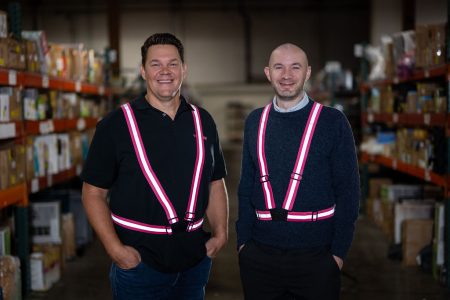
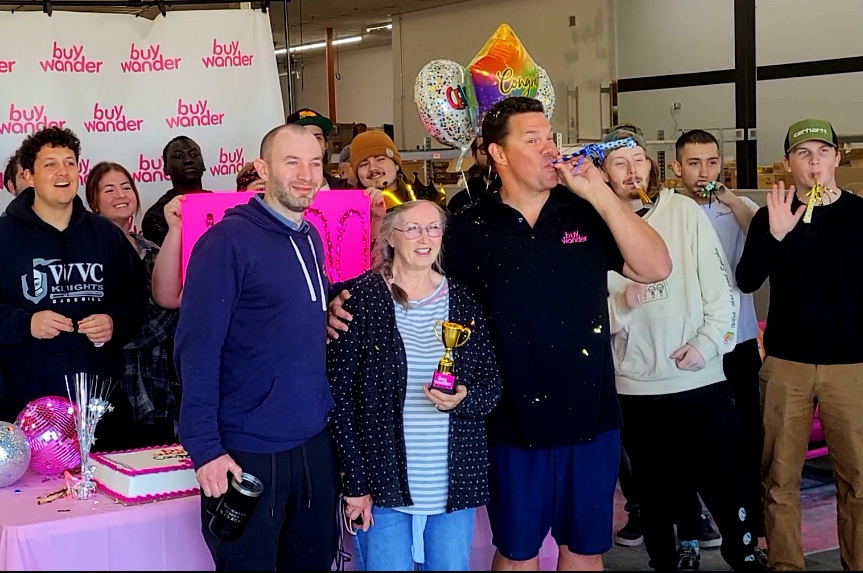
There is a certain ache in the air of a warehouse that smells of cardboard, plastic wrap, and the faint ghost of someone else’s impulse purchase. In Spokane, Washington, that smell was the intoxicating scent of a birthday, a victory lap, a decent bet finally paying off. The founders of BuyWander, Jordan Allen and Brock Kowalchuk, stood amidst piles of window AC units, pop-up canopies, and steel gate fencing in 2025, clinking glasses with their then-tiny team as they celebrated their 10,000th customer. It was a moment of validation for a scrappy startup that had raised a modest $2 million seed round and was about to open a 30,000-square-foot warehouse in Kent, Washington. But that moment was just the spark of a conflagration. Less than a year later, the company has fundamentally remapped its geography and its ambitions. BuyWander has officially packed up its corporate headquarters and moved the nerve center from the quiet, resilient city of Spokane to the bustling industrial and tech hub of Kent, just south of Seattle, right in the shadow of giants like Amazon and the heavy logistics ecosystem that feeds them. The move is not merely cosmetic. It represents a deliberate gravitational shift toward the largest retail and e-commerce network in the Pacific Northwest. With 325 employees now on the payroll and a growing physical footprint that stretches across a national map, BuyWander is pivoting from a promising regional idea into a formidable national player in the complex and surprisingly lucrative world of returned retail goods and overstock liquidation.
Paragraph 2: The Treasure Hunt Economy and Solving the Returns Crisis
To understand why BuyWander is growing at such an explosive clip, one has to understand the hidden problem lurking in the retail supply chain. In the world of modern commerce, returns are a silent epidemic. When you buy a slightly-too-small jacket online, or a microwave that hums too loudly, or a Jeep Wrangler seat cover that doesn’t quite fit, the item doesn’t just vanish into thin air. It gets packaged, shipped back, sorted, and then often sits in a massive, unsellable inventory pile. Retailers like Amazon, Target, Walmart, and Home Depot are left with mountains of “open-box” or damaged goods that clog their logistics pipelines and cost them billions in lost value. Often, these goods end up baled together and sent to landfills, or they are sold in bulk by the pallet to mysterious liquidation houses. BuyWander disrupts this narrative with a simple, cheeky, and effective solution: an auction marketplace that turns trash into treasure. The platform is beautifully straightforward. Products start with a $1 opening bid. Interested buyers have exactly seven days to compete against other bargain hunters in a digital auction. But there is one crucial, differentiated twist: you must pick up the item in person at a local BuyWander warehouse. There is no shipping, no delivery tracking, just a communal experience of driving to a sprawling warehouse, finding your lucky winning lot, and hauling it home yourself. This model does wonders. It solves the last-mile delivery cost problem entirely while simultaneously injecting the joy of the treasure hunt into the equation, transforming a simple retail transaction into a personal victory over the system.
Paragraph 3: Scaling Up, Building Warehouses, and Physical Expansion
The success of that model has forced BuyWander to grow up fast. In April 2025, the startup was just 22 people strong, operating as a plucky underdog. Now, with 45 employees just in the new Kent headquarters, and a total workforce of 325 people scattered across their various locations, the company is working hard to solidify its infrastructure. The bulk of that workforce isn’t in engineering or marketing; it’s on the ground floor, doing the dusty, heavy lift work of stocking, intake, and customer service. This is the physical backbone of the company. BuyWander currently operates eight warehouses across the country, with the newest additions landing in Denver and Chicago. The choice of these markets is scrutinized and precise. To make the “local pickup” model work, the company has to be within a reasonable driving distance of a dense population of deal-seekers. The Kent location acts as the central hub, the proof of concept, and the tech laboratory, while the distant outposts are the revenue engines. The leadership team knows that inventory management across these disparate sites is a massive logistical headache. They are now deploying sophisticated technology to scan, sort, and identify the inventory before it ever hits the auction block, ensuring that a toaster in Chicago isn’t sitting in a Denver bin and that the algorithm accurately captures the condition of a returned power drill. This isn’t just a junk dealer; it is a precision logistics company disguised as a garage sale.
Paragraph 4: The Tech Brains: Data, AI, and Amazon Alumni
To fortify this digital backbone, BuyWander has looked to the deep talent pool of the Seattle area, poaching executive talent with pedigrees steeped in serious data science and operational engineering. Among the four new executives announced this Tuesday, the hiring of Abu Marcose stands out as the most telling signal of the company’s future direction. Marcose spent a full 12 years at Amazon, most recently as a senior software development manager within the company’s Supply Chain Optimization Technologies team. In that role, he worked directly on capacity planning and network optimization, incorporating generative and agentic AI systems to cut inefficiencies into razor-thin margins. Now, at BuyWander, he takes on the role of senior director of warehouse technology. He is being tasked with applying the massive, complex lessons learned from making Amazon’s fulfillment centers hyper-efficient to the chaotic world of returned toasters and used bicycles. Alongside him is Daniel Kiepfer, taking the helm as vice president of data and AI. Kiepfer previously led data analytics at the high-end Seattle jewelry company Blue Nile, a place of precise tracking and customer segmentation. He also spent time at Microsoft, RealSelf, and McKinsey. This dynamic pairing of the retail brain and the AI engineer is what the startup hopes will give it a decisive edge against older, less agile competitors, allowing them to predict market demand, dynamically price lots, and optimize where to send pallets of merchandise before they ever take up shelf space.
Paragraph 5: The Operators: Marketing Magic and Operational Grit
While the technologists build the invisible engines, the customer-facing soul of BuyWander is being fortified by two other seasoned veterans. Laura Sasser joins the team as chief operating officer, bringing nearly two decades of experience from Channel Control Merchants, a massive liquidation and inventory-management company, along with a recent stint at FullSpeed Automotive where she oversaw facilities, loss prevention, and inventory across a national footprint. Sasser is not a tech evangelist; she is a fixer. Her mandate is to build the “operational backbone” that allows the company to scale without crumpling under its own weight as it enters new geographies like Denver and Chicago. Her focus is smooth intake, efficient shelf-stocking, and preventing shrinkage—the lifeblood of any physical retail operation. On the other side of the coin is Roger Ling, the new director of marketing. Ling comes from DoorDash, where he led integrated marketing campaigns, and before that, he masterminded go-to-market strategies at Amazon, working on massive events like Prime Big Deal Days and the B2B marketplace Amazon Business. Ling understands the psychology of the impulse buy. He knows how to turn a pile of discounted trash into a must-have lifestyle item. His job is to drive foot traffic to those warehouses, to build buzz around the excitement of the $1 bid, and to convert the casual browser into a return customer who eagerly awaits the weekly auction drops. Together, this quartet of executives creates a well-rounded command center: build it right, price it smart, market it loud, and make sure the doors stay open.
Paragraph 6: A Founder’s Resilience, the Competitive Landscape, and a Circular Future
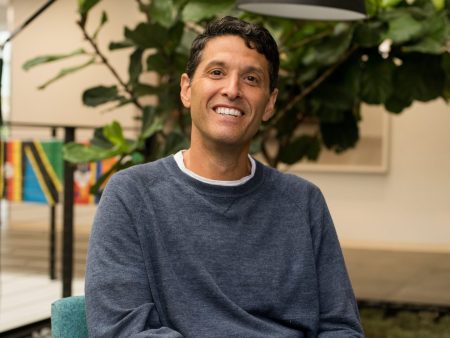
Behind this growth is the resilient, once-scarred vision of co-founder Jordan Allen. Allen is a serial entrepreneur famous in Spokane for creating Stay Alfred, a short-term rental company that expanded to over 30 cities before absolutely collapsing under the weight of the COVID-19 pandemic in 2020. That experience—the euphoria of rapid expansion followed by the painful, public unraveling amidst a global crisis—has fundamentally shaped how BuyWander approaches growth. Despite the allure of moving fast and breaking things, Allen has been methodical about funding and expansion, relying on a strong roster of investors like Triple Impact Capital, Animal Capital, and Data Tech Fund to support the slow, steady national rollout over the next year. But the market is ferocious. BuyWander is entering an arena occupied by established liquidation heavyweights like Mac.bid, B-Stock, and Liquidation.com, all of which are vying for the same pallets of returned goods. Still, the team believes their technological focus and localized pickup model is their unique weapon in the rapidly growing “auction commerce” space. As prices for new goods rise and consumers become increasingly wary of waste, the thrill of the $1 auction seems tailor-made for this economic moment. BuyWander is proving that one person’s return is another person’s centerpiece, and as long as the supply of unwanted stuff keeps flowing out of our doors, they will have a thriving business converting those discarded items into little moments of human joy and bargain-hunting triumph.