





Paragraph 1: Imagine a landscape where old dreams of mobility meet new horizons of sustainability—a place in the rolling hills outside Vancouver, British Columbia, where four ambitious young minds turned a vision into reality. Edward Chiang, Sumreen Rattan, Gabriel Soares, and Gurmesh Sidhu, all engineering grads from Simon Fraser University, founded Moment Energy in 2019 with a simple yet revolutionary idea: breathing new life into used electric vehicle batteries instead of tossing them into landfills. Picture these innovators, fresh out of college and brimming with optimism, huddled over prototypes in a makeshift workshop, driven by a shared passion for tackling climate change. Their startup, now headquartered just beyond the bustling city of Vancouver, has captured the attention of investors and industries alike, specializing in repurposing those lithium-ion powerhouses that have served faithfully in cars for years. Recently, the company announced a whopping $40 million Series B funding round, bringing their total raised capital to over $100 million. This influx isn’t just numbers on a spreadsheet; it’s fuel for their mission to build a massive 200,000-square-foot gigafactory in Austin, Texas—a gleaming beacon of American manufacturing that promises jobs, innovation, and a cleaner planet. Led by Chiang, the dynamic CEO whose leadership has steered the company from fledgling startup to industry frontrunner, Moment Energy is addressing the surging demand for energy storage solutions that power everything from data centers humming with global communications to residential homes riding the wave of renewable energy. “We’re crafting a new era of energy infrastructure that’s fast to deploy, made right here in the U.S., and fueled by batteries that still have plenty of miles left in them,” Chiang said in a statement, his words echoing the resilience of a team that’s as much about people as it is about tech. With over 70 employees today and ambitions to triple that headcount, Moment Energy embodies the human spirit of ingenuity, transforming what could be wasteful discard into vital resources for a greener tomorrow.
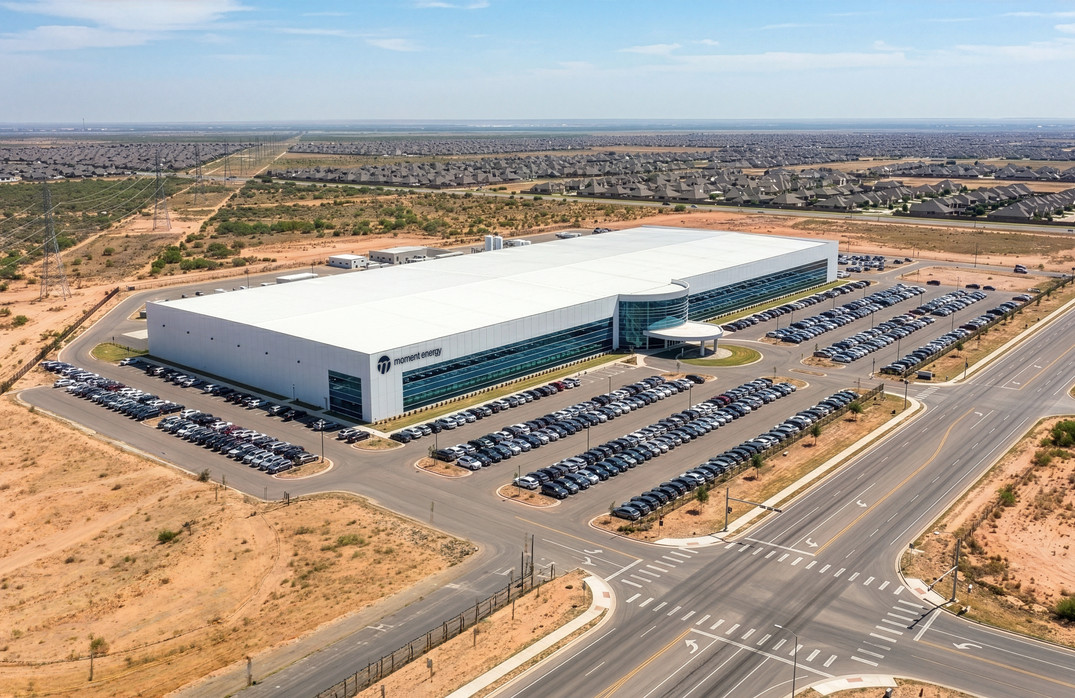
Paragraph 2: To truly appreciate Moment Energy’s story, let’s rewind to the early chapters, where dreams clashed with reality in a tale of perseverance and clever problem-solving. Back in 2021, the co-founders landed their first real-world test: deploying a battery system on Quadra Island, a serene speck off Vancouver Island’s coast. Picture the team—four friends united by university bonds and a fervent belief in second chances—knowing this tiny project could either launch their dream or sink it. Quadra Island, with its lush forests and quieter pace, became an unlikely proving ground, a place where the repurposed batteries stored energy from solar panels, lighting up homes and businesses without the grid’s constant hum. It wasn’t easy; there were sleepless nights debugging systems, the thrill of watching lights flicker on for the first time, and the quiet pride of knowing they’d turned automotive leftovers into community lifelines. This success wasn’t just a win for the environment—it was validation for the team’s hybrid backgrounds, blending engineering prowess with a deep empathy for community impact. Sidhu, Soares, Rattan, and Chiang each brought unique strengths: Sidhu’s meticulous testing expertise, Soares’ inventive assembly skills, Rattan’s sustainability insights, and Chiang’s visionary outlook. Their collaboration, forged in the fires of academic pressures and fueled by Canada’s vibrant tech scene, rippled out, attracting attention from tech titans and utilities hungry for reliable, eco-friendly storage. As they scaled up, the quartet remained close-knit, their relationships evincing the power of shared vision over individual triumphs. This foundational deployment on that isolated island wasn’t flashy, but it humanized their mission, showing how a small team could spark big changes in a world grappling with energy crises.
Paragraph 3: Fast-forward to 2023, and Moment Energy is poised for exponential growth, with their grandest plans unfolding against the backdrop of Austin, Texas—a city synonymous with innovation and entrepreneurial flair. The company aims to break ground this year on its ambitious gigafactory, a colossal 200,000-square-foot facility that represents not just bricks and mortar, but a promise of prosperity for hundreds. From its current crew of more than 70, they’ll expand to 250 once operations kick off, infusing the local economy with skilled roles in manufacturing, testing, and sustainability engineering—jobs that offer stable incomes to families striving in a post-pandemic world. Visualize the construction site: cranes lifting gleaming panels, engineers in hi-vis vests calibrating machinery, all underscored by the sounds of hammers and laughter among colleagues forging bonds. This factory isn’t merely a production hub; it’s a hub of human stories, where former auto industry workers find new purpose repurposing batteries, and young apprentices learn the ropes of clean energy. Chiang’s vision, shared during interviews, emphasizes deep roots in American soil, countering overseas dominance and fostering domestic jobs in a sector poised for explosive growth. As the facility rises, it’ll symbolize resilience—Minnesota’s experience with electric grids failing inspires this push, ensuring that Texans have reliable storage for heatwaves and storms. The human element shines through in the team’s excitement; one employee, reflecting on scaling up, shared how this feels like “finally making a tangible difference after years of small victories.” With investment boosting their capabilities, Moment Energy is crafting a narrative of renewal, where the next generation of workers inherits a world powered more sustainably, less wastefully.
Paragraph 4: But Moment Energy’s footprint extends far beyond Austin’s horizons; their battery systems are already interwoven into the fabric of North America, serving diverse clientele with a blend of reliability and eco-consciousness. Picture bustling data centers, humming under the weight of global information flows, or quiet airports guiding flights with energy that’s greener than ever—these are the backdrops where Moment Energy’s repurposed systems thrive. Major tech giants and international gateways have become early adopters, drawn by the promise of cost-effective, dependable storage that slashes energy waste. One such customer, a prominent U.S. tech firm, installed their systems to stabilize power during peak loads, a move that not only saved millions in bills but also reduced carbon footprint by million-ton scales. It’s stories like this that humanize the impact: engineers at these sites marvel at how a battery from a decades-old EV now powers servers handling critical data, perhaps even the streaming sessions that connect families worldwide. For airports, the startup’s tech ensures uninterrupted operations, lights staying on for late-night landings, security scans humming smoothly—scenes that might seem mundane but carry immense weight for travelers and workers alike. The founders’ personal touch resonates here; Chiang and his team often visit sites, listening to feedback from electricians and managers, refining processes to amplify satisfaction. This customer-centric approach isn’t corporate jargon; it’s born from empathy, understanding that behind every battery is a human need—for stability in data-driven lives or security in aerial travel. As deployments grow, so does Moment Energy’s narrative of accessibility, making advanced energy storage available not just to elites, but to everyday operations, fostering a sense of shared progress in the face of climate uncertainties.
Paragraph 5: At the heart of Moment Energy’s innovation lies a profoundly human story: giving second life to electric vehicle batteries that many would discard after a decade or two of road use. Consider the typical EV battery—after powering commutes for families, delivering kids to school, or enabling weekend adventures, it retains 70-80% of its capacity when its automotive days are done. The company meticulously disassembles these powerhouses, running rigorous tests to gauge remaining life, then reassembles them into stationary systems capable of lasting up to 30 years. It’s a poetic cycle: from the thrill of accelerating on highways to the steadfast hum of stabilizing grids, transforming what feels like worn-out relics into enduring guardians of energy. Imagine the relief for eco-conscious car owners, knowing their old batteries aren’t ending in toxic dumps but powering homes and industries anew—it’s empowering, reducing guilt over consumption. Safety is paramount in this process, and Moment Energy’s multiple certifications set them apart, allowing deployments in built environments without extra red tape, instilling confidence among building owners wary of risks. Leading the charge are experts like co-founder Rattan, whose focus on safe disassembly reflects a broader stewardship, ensuring that every repurposed unit is as reliable as it is recycled. This approach not only extends the lifecycle of precious resources but also slashes waste, a win for communities grappling with landfill woes. Employees at the company speak of the pride in this mission, one technician recalling how testing a packet of cells became “like reviving a trusted old friend.” In a world of fleeting hype, Moment Energy’s durability mirrors human resilience, turning potential obsolescence into opportunity, and painting a hopeful picture of sustainability where nothing—especially valuable tech—is truly wasted.
Paragraph 6: Bolstering this vision is the company’s recent Series B funding, a testament to the faith investors place in talent and potential. Evok Innovations took the lead, joined by heavyweights like Liberty Mutual Investments, W23 Global Fund, and Acario from Tokyo Gas, alongside returning backers such as Amazon’s Climate Pledge Fund, Voyager Ventures, and In-Q-Tel. Marty Reed from Evok praised Moment Energy as the “only player proving safety and scalability go hand in hand,” highlighting their capacity for massive deployments in an industry ripe for growth. This influx isn’t just financial—it’s validation of the founders’ grit, inspiring communities to envision cleaner futures. Competing in a vibrant field, Moment Energy stands alongside Redwood Materials (founded by Tesla’s JB Straubel), RePurpose Energy, and recyclers like Cirba Solutions and Li-Cycle, yet their unique blend of repurposing with staunch safety differentiates them, attracting partnerships from global entities eager for ethical energy. For the team, this round feels personal: Chiang notes how it supports scaling without compromising quality, ensuring families at the factory flourish. As the energy storage market booms—driven by EV proliferation and grid demands—Mention Energy’s story resonates, illustrating how four university friends became stewards of a greener ethos, their company a living example of innovation fueled by human connection and environmental care. In the end, this $40 million milestone isn’t merely buzz; it’s a bridge to a world where energy is sustainable, jobs abundant, and waste redeemed, one repurposed battery at a time. With competitors pushing boundaries, Moment Energy’s narrative of empathy and exclusivity positions them not just as a business, but as a beacon for collective action against climate peril, inviting all to imagine a future powered by rediscovered potential.