


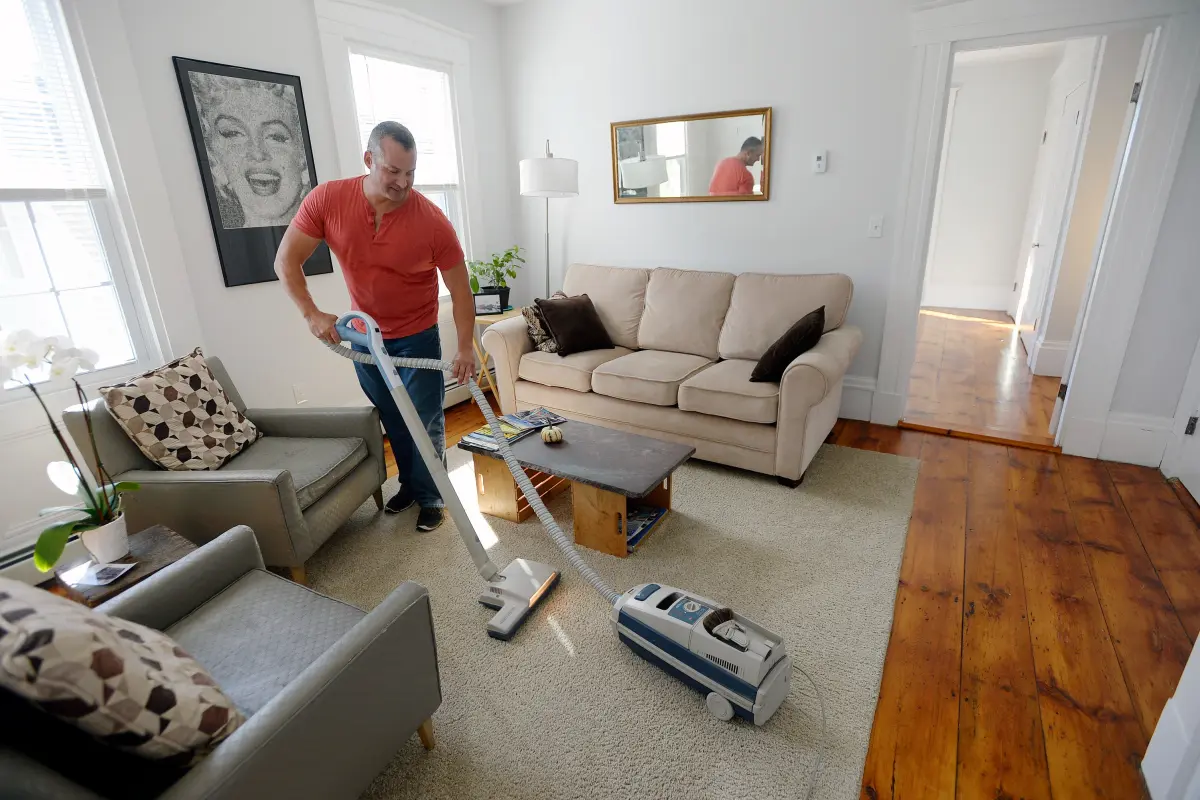
Picture this: You’ve just handed over a significant amount of money for a vacation rental. You’ve paid a quoted nightly rate, a service fee, and a cleaning fee on top of it all. You walk in, drop your bags, maybe open a window to breathe in the getaway air. Then you read the house rules taped to the fridge: strip the beds before you leave, run the dishwasher, take out the trash, start a load of laundry, and maybe water the plants. For years, this has been the quiet irritation simmering inside countless Airbnb stays. Now, the company has finally stepped in, and hosts around the world are furious. Airbnb has announced a sweeping crackdown on these kinds of onerous demands. Effective November 20, hosts will generally be prohibited from requiring guests to do housekeeping work like washing dishes, stripping beds, starting laundry, or hauling garbage off-site. The message to property owners is brutally simple: stop making vacationers do the job of a maid, especially when you’ve already pocketed a cleaning fee. For guests, it feels like a long-overdue victory. For hosts, it feels like the platform they helped build has turned against them. And many are now saying they’re ready to grab their spare keys and walk away for good.
Airbnb’s new rules are not a suggestion; they are a shift in policy that changes the very nature of the host-guest relationship. The company warned hosts that these kinds of requests are bad for business, pointing out that “most guests want to avoid unexpected chores.” In its own blunt guidance, Airbnb reminded property owners that asking travelers to do things a cleaner should handle can negatively affect their stay and their reviews. Under the updated policy, guests can still be asked to do light, reasonable things—putting dirty dishes in the sink, gathering used towels, separating recycling, and switching off the air conditioning before checking out. But the days of treating paying guests like an unpaid housekeeping staff are over. To be clear, this is a direct response to the growing chorus of traveler complaints. People have grown exhausted by what feels like a bait-and-switch: paying premium prices, often with cleaning fees attached, and then being handed a list of chores that would make a hotel housekeeper raise an eyebrow. That frustration has bubbled over for years, and Airbnb has finally listened. But by siding with guests on this one, the company has ignited a full-blown revolt among hosts, many of whom feel betrayed by the very platform that made their rental side-income possible in the first place. What the company sees as consumer protection, many hosts see as an attack on their livelihoods, their homes, and their right to set their own rules.
The backlash has been swift, loud, and unapologetic. On Airbnb’s own community forums, property operators are staging what can only be described as a collective meltdown. Some are predicting doom, insisting that the new rules will turn their once-tidy rentals into “animal houses.” One host wrote, “They will rob us of toilet paper, destroy our towels and linens, leave holes and dents in walls. And now you are ALLOWING guests to come in and be slobs.” Another host in Rio de Janeiro, clearly fed up, wrote, “I get the feeling that Airbnb is asking me to leave the platform and look for alternative solutions, because everything is getting worse.” From Switzerland, a host demanded that the company withdraw the new rules entirely, asking how they are supposed to deal with mice, rats, and vermin when trash is left in the house, and how kitchen hygiene can be maintained if dirty dishes are left behind. A host in Fair Oaks, California, struck a more practical note, explaining, “We already pay professional cleaners to prepare our home for the next guests. Your new policy will increase cleaning costs, create additional work, and ultimately contribute to higher rental rates.” Underneath the angry words, you can hear a real and very human anxiety. For many hosts, an Airbnb rental isn’t just a passive income stream. It’s their home, their retirement cushion, their extra money for school fees or medical bills. They’ve poured time, money, and emotional energy into creating spaces they’re proud of. And now they feel like the company is siding with guests who, in their eyes, might not treat those spaces with care. It’s easy to dismiss these complaints as entitled, but it’s also worth pausing to understand where they come from. The fear of property damage, disrespect, and diminishing returns is very real, and no policy change can fully address that anxiety.
But this fight is about more than dirty dishes and unmade beds. It’s about the strange, uncomfortable evolution of Airbnb itself. What started as a budget-friendly, homespun way to travel—couchsurfing’s more polished cousin, if you will—has grown into a global corporate juggernaut. In many cities, the platform is no longer driven by the friendly retiree renting out a spare room or the young family sharing a cozy flat while they’re away. Instead, it’s flooded with commercial operators managing portfolios of expensive, professionally designed apartments. Prices have soared, add-on fees have become the norm, and the mom-and-pop warmth that made Airbnb feel so charming and personal has been squeezed out by a cold, transactional machine. Travelers increasingly find themselves paying resort-level prices in ordinary neighborhoods, only to be handed a chore list and a five-star checklist of expectations. That’s a bitter pill to swallow. Nobody minds cleaning up after themselves in a shared space. But when you’re paying a cleaning fee that rivals the nightly rate, being asked to strip the beds and haul the trash to a dumpster across the street feels less like courtesy and more like exploitation. The new rules are, in many ways, a recognition that the trust-based ecosystem Airbnb once sold to the world no longer exists. The platform wants to have it both ways—to feel like an intimate home-sharing community while functioning like a massive, efficient rental marketplace. But you can’t charge hotel prices and still demand housekeeping labor from your guests. At some point, something has to give.
And what’s fascinating is that, despite all this turmoil, Airbnb is doing exceptionally well. The company recently announced one of its best growth quarters in years. Bookings are not evaporating. People are still using the platform, still clicking “reserve,” still packing their bags. But the way people feel about the experience has shifted significantly, and this policy change has brought those feelings into sharp focus. Many guests reacted to the news with genuine relief, even joy. Finally, a company was listening to the ordinary traveler who was tired of doing the work of a janitor while on vacation. One Reddit user put it perfectly, writing, “That is what gets me. Either ask me to clean OR charge me a cleaning fee. Don’t do both and expect me to come back.” That simple statement captures the heart of the matter. The frustration was never really about the chores themselves. It was about being asked to pay more and do more, while feeling valued less and less. Travel is supposed to be freeing. It’s supposed to be a break from the routine, a chance to breathe, reconnect, and make memories. Being handed a list of chores at check-in chips away at that promise. It makes you feel less like a welcomed guest and more like an unpaid intern. The company’s new direction, whatever its motives, signals at least an awareness that the magic of Airbnb—the thing that made people choose it over hotels in the first place—has been fading. And if the platform wants to remain relevant, it has to listen to the people who actually stay in its homes.
So where does this leave everyone? It leaves Airbnb in a delicate balancing act: trying to keep hosts happy enough to list their properties, while keeping guests happy enough to keep booking them. That’s not an easy line to walk. Hosts are angry, and some are serious when they say they’ll leave the platform. Guests, meanwhile, are celebrating a rare win. But the deeper truth is that this isn’t really about winning or losing. It’s about respect—the fundamental, human, mutual respect that used to define the sharing economy. When Airbnb first launched, the pitch was simple: strangers will welcome you into their homes, and you’ll treat those homes with kindness. There was a sense of collective trust, a belief that everyone was in this together. Over the years, that trust has frayed. Commercial operators flooded the market. Prices rose. Fees multiplied. The warm, personal connections that once made the platform special began to feel like marketing slogans rather than lived experiences. This new policy is a moment of reckoning, a flashpoint that exposes how far Airbnb has drifted from its roots. But it also opens the door for something better. Perhaps hosts will learn to set reasonable expectations that don’t treat guests as servants. Perhaps guests, freed from unreasonable demands, will act with more care and gratitude. Perhaps Airbnb itself will remember that it’s not just a technology company, but a hospitality company built on the simple promise of making people feel welcome. The road ahead won’t be smooth. There will be more complaints, more forum fights, more adjustments. But if both sides can find their way back to that original spirit of shared responsibility and genuine kindness, then maybe this moment of upheaval will be remembered not as the beginning of the end, but as the turning point when Airbnb grew up into something fairer, warmer, and more human. In the meantime, it’s worth remembering that behind every listing is a person with a story, and behind every booking is a person with hopes for a good trip. The least both sides can do is treat each other like guests in the same complicated, beautiful world.