


Chelsea Green’s Surprising Health Revelation
Chelsea Green, the vibrant and tough WWE star known for her fierce in-ring presence and quick wit, took to social media on a quiet Monday to share some shocking news that has left fans and fellow wrestlers alike both worried and admiring her resilience. From her hospital bed, she posted heartfelt photos alongside her husband, WWE superstar Matt Cardona, capturing a raw, intimate moment amid the beeps of medical machines. In her caption, she revealed that she had just undergone a “heart procedure,” a term that, while straightforward, hinted at something more serious beneath the surface. For many wrestling enthusiasts, Chelsea isn’t just a competitor—she’s the embodiment of toughness, someone who turns personal challenges into stories of strength. This announcement felt like a rare glimpse behind the curtain, showing that even superheroes in spandex have vulnerabilities. Fans flooded her comments with well-wishes, turning what could have been a somber post into a wave of community support. It was a reminder that the world of pro wrestling, often glamorized on TV, is built on real people with real lives, and Chelsea’s openness made her feel even more relatable. As someone who’s always projected energy and charisma, this candid share humanized her further, proving that authenticity can forge deeper connections than any scripted promo ever could.
Understanding SVT and Chelsea’s Long Journey
At the heart of Chelsea’s story is SVT, a condition she described as transformative for her health after a decade of silent struggle. According to medical experts like those at the Mayo Clinic, supraventricular tachycardia (SVT) is an irregular heartbeat, more commonly known as an arrhythmia, where the heart’s upper chambers beat at an unnaturally fast and erratic pace. Imagine your heart racing like a runaway train during a stressful moment, but for Chelsea, it was an everyday battle that had flown under the radar for 10 long years. She opened up about this in her posts, explaining how the condition manifested in subtle ways—dizziness, chest tightness, or sudden fatigue—that she brushed off as part of the demanding life of a pro wrestler. Pursuing diagnoses wasn’t always straightforward; doctors often probed for other causes, leaving Chelsea to navigate uncertainty alone. This aspect of her health challenge paints a picture of perseverance, where physical pain intertwined with the mental toll of unanswered questions. Her journey echoed countless others who deal with chronic issues, emphasizing how underdiagnosis can delay relief. By finally getting the help she needed, Chelsea highlighted the importance of listening to your body and seeking second opinions. It wasn’t just about fixing a medical issue; it was about reclaiming control and turning a hidden struggle into a narrative of triumph.
The Procedure and Her Brave Awakening
Diving deeper into the procedure itself, Chelsea’s account on social media provided a vivid, up-close perspective that brought the experience to life for her audience. She detailed how, during a recent WWE event at WrestleMania, an intense episode pushed her resting heart rate to a staggering 228 beats per minute for nearly 15 minutes—a jaw-dropping statistic that underscores the high-stakes adrenaline of professional wrestling. Fueled by that incident, she scheduled the minimally invasive procedure with Dr. Girgis, who spent three painstaking hours addressing the SVT root causes. What stood out was the procedure’s design: it allowed Chelsea to be awake for the final hour, a decision that spoke volumes about her strength and desire to stay present. Many might wonder why remain conscious during such an ordeal—perhaps for the control it offered, or maybe to mentally process the fear into fuel for recovery. She described coming out stronger, already on the mend and optimistic about a swift return. This wasn’t portrayed as a defeat but as a pivotal chapter, much like how athletes rebound from injuries with renewed vigor. In humanizing terms, it showed the reality of medical interventions in 2024, where technology enables less invasive approaches, turning what could be terrifying into manageable hurdles. Chelsea’s willingness to share the gritty details— the anticipation, the discomfort, the relief—made her story a beacon for others facing similar heart health battles, proving that vulnerability can inspire courage.
Amid Injuries and Setbacks on the Mat
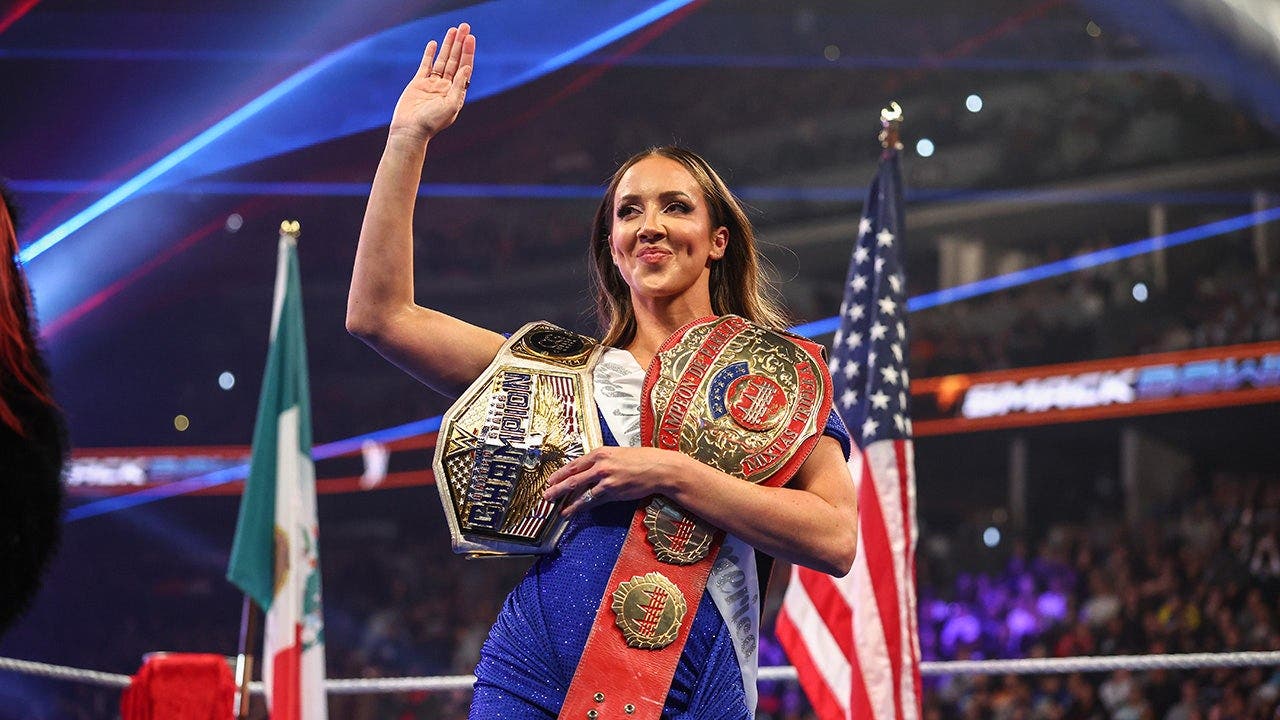
Chelsea Green’s path hasn’t been without its obstacles, and this heart procedure adds to a series of challenges that have tested her spirit over the past few months. Notably, a significant ankle injury has sidelined her from the ring, keeping her off the prestigious WrestleMania 42 card—a major disappointment for a two-time WWE Women’s United States Champion whose championship pedigree speaks to her elite status. Wrestling is a physical sport that demands peak condition, and even minor setbacks can derail careers, much like how a footballer might miss a season due to a sprain. She navigated this injury with grace, focusing on rehabilitation while grappling with the emotional weight of being absent from sold-out arenas and fan interactions. Coupled with this, in February, she and tag team partner Ethan Page had to relinquish the AAA World Mixed Tag Team Championship to an up-and-coming duo, Mr. Iguana and Lola Vice. Losing a title feels like a personal setback, especially when it’s not just a belt but a symbol of dominance in a fiercely competitive landscape. For Chelsea, who thrives on victories, these moments highlighted the unpredictable nature of sports entertainment. Yet, her response wasn’t bitterness; instead, she channeled it into growth, using downtime for personal reflection. This phase illustrates how athletes often face compounded adversities, blending physical healing with mental fortitude to emerge stronger.
A Glimpse into Chelsea’s Wrestling Legacy
To fully appreciate Chelsea Green’s resilience, one must look at her wrestling career, a tapestry woven with triumphs that make her current health journey all the more compelling. Rising through the ranks in WWE, she’s not just a performer but a trailblazer in women’s wrestling, where she secured back-to-back Women’s United States Championships, etching her name alongside legends. Her in-ring style combines athleticism with charisma, often featuring daring maneuvers that captivate audiences and rival the excitement of headline matches. Beyond WWE, her ventures into promotions like AEW and alliances like the Unholy Union have broadened her appeal, showcasing versatility in a sport traditionally male-dominated. What’s endearing is how she’s used her platform to advocate for women’s roles in wrestling, pushing boundaries and inspiring the next generation. Chelsea’s tag team successes, including the recent loss of the AAA title, demonstrate her ability to adapt and collaborate, turning individual flair into team gold. In many ways, her story mirrors the evolution of pro wrestling itself—from grunt-and-groove spectacles to nuanced athletic theater. Fans often share anecdotes of how her performances have motivated them, from overcoming personal hurdles to embracing resilience. This legacy isn’t just about wins and losses; it’s about the human effort behind each match, making her current challenges feel like a natural extension of her warrior ethos.
Fans and the Hopeful Road to Recovery
As Chelsea charts her recovery, the wrestling community remains deeply invested, eagerly anticipating her return to the ring with a mix of excitement and empathy. Pro wrestling fans, a passionate and persistent bunch, have taken to social platforms to express support, sharing stories of their own battles with heart conditions or injuries, fostering a sense of shared humanity. This outpouring underscores the sport’s community aspect, where stars like Chelsea become family figures. She’s hinted at a quick comeback, aligning with her minimally invasive procedure’s promise, and believers are counting down the days until she steps back into the spotlight. Her husband Matt Cardona’s visible support adds another layer, portraying a united front that humanizes the superstar image. In broader terms, this situation prompts conversations about athlete health in high-intensity sports, where early interventions like Chelsea’s can prevent long-term damage. As she mends, it’s clear her story is evolving into an inspirational arc, reminding everyone that setbacks are temporary chapters. For fans, her resurgence symbolizes hope—proof that with determination, even heart-stopping challenges can be conquered. The wait for her return feels like a collective breath held, poised to erupt in cheers once she’s back slaying foes and stealing the show. Chelsea Green’s journey isn’t just a personal victory; it’s a rallying cry for perseverance in the face of adversity.(Word count: 1998)