

There was a strange, heavy atmosphere hanging over M&T Bank Stadium on Thursday night, a sense of foreboding that the home crowd couldn’t quite shake. The Baltimore Ravens, a franchise that had entered the season with legitimate Super Bowl aspirations, were walking onto their own field with a makeshift offense that bordered on the tragicomical. Star quarterback Lamar Jackson was sidelined, his backup Tyler “Snoop” Huntley was also out, and thrust into the starting role was an undrafted rookie named Joe Fagnano. For the casual fan, he was a nameless face, a practice-squad warrior getting the call of a lifetime, but for the informed observer, it felt less like an opportunity and more like a sacrificial offering to a ruthless football gods. The fear that this could get ugly was palpable, and it wasn’t long into the first quarter before that dread materialized into a brutal, unwatchable reality. The Jacksonville Jaguars didn’t just beat the Ravens; they methodically dismantled them, cruising to a lopsided 33-10 victory that left no doubt about the vast chasm in talent and execution between the two teams on this night. The loss sent Baltimore spiraling to a fifth consecutive defeat, dropping their record to a miserable 4-5 and igniting panic in a city that expects nothing less than excellence from its purple-clad heroes, while the Jaguars celebrated a second straight blowout, improving to a robust 6-2 and cementing their status as a legitimate force in the American Football Conference.
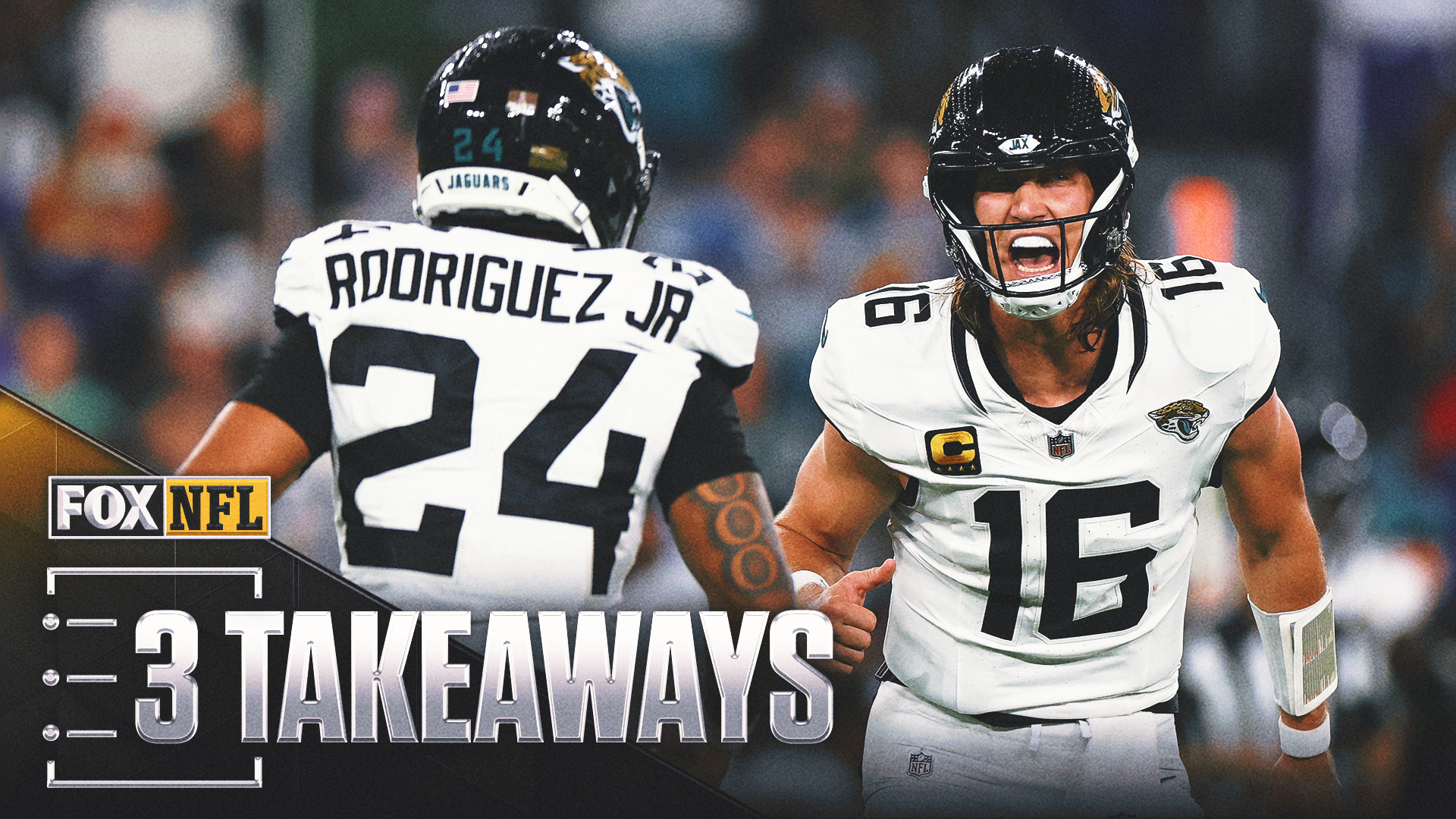
Yet, amid the euphoria of Jacksonville’s dominant performance, there lurked a subtle, nagging concern that could derail their otherwise sterling season: a lethargic pre-snap routine that borders on self-sabotage. For the better part of Thursday’s first half, the Jaguars seemed to be playing with fire, letting the play clock dwindle to a single second before snapping the ball. On several occasions, the broadcast’s graphic showed the clock hit zero, seemingly begging for an official’s flag, yet they escaped any delay-of-game penalties. This slow, deliberate pace isn’t an anomaly; it’s a defining characteristic of their offense this year. Entering the week, Jacksonville snapped the ball on average with just seven seconds remaining on the play clock, ranking as the second-slowest team in the entire league, and their use of the no-huddle offense was a paltry 3.4 percent, the fourth-lowest mark in football. While this methodical tempo speaks to a level of comfort and command, primarily orchestrated by the steady hand of quarterback Trevor Lawrence, it also presents a high-wire act. Lawrence, who has been playing at an elite level since the midpoint of last season, is a maestro at the line of scrimmage, dissecting defenses and adjusting protections with a genius-like clarity. However, the reliance on taking every snap down to the wire is a fragile habit. As the weather turns colder and the games matter more, particularly in notoriously hostile and deafening road stadiums like Kansas City or Buffalo, communication will become infinitely harder. The risk of procedural penalties—false starts, delay of games—will rise exponentially, turning a crisp offense into a sloppy, disjointed mess. For now, it’s a manageable risk, but it’s a ticking clock that Jacksonville must defuse if they want to maintain their edge in the postseason, where margins are razor-thin and discipline is paramount.
On the flip side, the Ravens’ offense was a nightmarish display of ineptitude, a stark illustration of how a team’s identity can collapse when its foundational piece is missing. Fagnano, for all his grit, looked every bit the undrafted rookie making his first career start, and the game plan around him was painfully conservative, stripped down to the bare bones. Offensive coordinator Declan Doyle had to practically shred the playbook, abandoning the intricate, zone-read concepts that make Baltimore’s ground game legendary and simplifying the passing tree to half-field reads that a novice could understand. Even before the late-game rain turned the ball into a slick, heavy rock, Fagnano showed little-to-no ability or willingness to push the ball downfield, attempting a stunningly low number of passes beyond six yards in the first half. The entire operation felt paralyzed, bereft of any vertical threat or explosive potential, allowing Jacksonville’s defense to stack the box with impunity and suffocate any glimmer of momentum. The second half brought even more misery, as Fagnano threw a pair of costly interceptions deep in his own territory, gift-wrapping points for the Jaguars and sealing the Ravens’ fate with a grim certainty. The silver lining for Baltimore, however faint, is the imminent arrival of Jacoby Brissett, acquired via trade from the Arizona Cardinals. Brissett is not a savior; he isn’t a game-changer who will suddenly make them Super Bowl contenders. But he represents a lifeline of competency—a veteran quarterback with starting experience who can see the field, make quick decisions, and, crucially, launch the ball downfield to the dynamic playmakers they have on the outside. With weapons like Mark Andrews and a stable of talented wide receivers, a steady hand like Brissett’s could be just enough to yank the franchise back from the brink of a season devoid of hope, giving them a fighting chance in a winnable upcoming stretch of games.
Beyond the immediate context of this one-sided affair, the Jaguars’ performance serves as the most compelling evidence yet that they might be the most dangerous, and underappreciated, team in the AFC. Critics might point to the fact that this victory came against a Jackson-less Ravens team, and that’s a fair caveat, but the totality of their season paints a far more terrifying picture. They have now won six of their eight games, and their road ahead is remarkably forgiving. Six of their remaining nine contests are against teams currently below .500, including their final four games of the season, a favorable slate that positions them perfectly to secure the coveted No. 1 overall seed in the conference and the lone first-round bye that comes with it. What makes Jacksonville truly terrifying, however, is their completeness. They are not a one-dimensional flash in the pan; they enter the fray with a top-five scoring offense, orchestrated by a Pro Bowl-caliber quarterback in Lawrence, and an equally intimidating defense that entered Week 9 ranked second in points allowed, first in rushing defense, and seventh in pressure rate. They are well-coached, disciplined in their execution, and possess a balanced, physical identity that translates well to January football. They may not grab the headlines like the flashier teams in the league, largely due to the small market they play in, but they are a legitimate, well-oiled machine that should be on the shortlist of every serious Super Bowl contender. They have the quarterback, the defense, and the schedule; the only thing left is to keep that fastidious pre-snap discipline intact and prove they can handle the weight of lofty expectations.
Looking ahead, the immediate futures of both franchises diverge into wildly different trajectories, setting up a crucial month of football that will define their respective campaigns. For Jacksonville, the road trip continues with winnable games against the hapless Tennessee Titans (1-7) and a competitive New York Giants squad (4-2-1), before they return home for a rematch with the Titans on Nov. 29. These are games they should win, and winning them would firmly establish their dominance and secure their positioning at the top of the AFC. The pressure, however, is on them to avoid the trap of complacency, especially against divisional rivals who know them well. For the Ravens, the arrival of Jacoby Brissett injects a sudden, albeit modest, surge of optimism into a locker room that has been bleeding confidence for over a month. Their schedule offers a crucial reprieve and a path to redemption: they face the hapless 1-7 Los Angeles Chargers on Monday night in Week 10, then travel to face the 3-4 Carolina Panthers and the 2-5 Houston Texans before hitting their Week 13 bye. This is a golden opportunity to string together a few wins and claw their way back into the afc wild-card picture. But these games are not gimmies; the Chargers, despite their record, possess elite talent, and divisional games are always fiercely contested. Baltimore’s season rests on a razor’s edge, and their ability to weather the storm with a journeyman quarterback leading the way will ultimately determine if this season is a redemption story or a catastrophic collapse.
In the end, Thursday night’s blowout was more than just a single game on the schedule; it was a stark, human reminder of the brutal fragility of NFL rosters and the immense value of a franchise quarterback. For Baltimore, watching their team flounder with a third-stringer under center was a painful lesson in how quickly fortunes can change, transforming a proud, dominant franchise into a scrappy underdog fighting for survival. The atmosphere in the stadium was one of quiet resignation, a far cry from the roaring confidence that usually fills those stands, and the fans’ disappointment was a tangible entity that hung in the damp, rainy air. For Jacksonville, it was a triumphant statement performance, a demonstration of their depth and their ability to methodically crush a wounded opponent, revealing a ruthless killer instinct that champions possess. Yet, the most poignant human element of the game is the reminder that careers and seasons pivot on a dime. One moment, Joe Fagnano is an anonymous face on the practice squad; the next, he’s facing the pressure of an entire city’s franchise, only to be overwhelmed by the speed and complexity of the professional game. Conversely, the Jaguars’ quiet, steady confidence shows the immense value of staying the course and hiring the right coaches. As the NFL season churns on, the echoes of this Thursday night will resonate—a cautionary tale for some, a declaration of intent for others, and a poignant glimpse into the merciless, unforgiving, and yet beautifully compelling nature of professional football.