






The global sports landscape is bracing itself for an unprecedented footballing spectacle as the FIFA World Cup expands to feature an astonishment of forty-eight nations organized into twelve fiercely competitive groups—the largest and most ambitious assembly in the tournament’s illustrious history. There is a profound, almost spiritual beauty to international soccer; it is not merely a contest of tactical formations, mechanical training regimes, and physical endurance, but a vibrant, living tapestry of national identity, personal sacrifice, and a collective human hope that unites our fractured planet every four years. For fans who have waited in anticipation, players who have dedicated their entire youth to this singular moment, and legendary veterans who have tasted both the bitter agony of defeat and the sweet ecstasy of triumph, this massive expansion represents a historic leap into the thrilling unknown. This new structure flings open the doors to unprecedented underdog stories, intense geopolitical rivalries, and the sheer, unfiltered unpredictability that makes this beautiful game the world’s ultimate passion. When millions gather around screens and fill colossal stadiums, they are not merely observing an athletic tournament; they are actively participating in a shared global ritual where dreams can be realized in a split-second deflection and decades of generational sports trauma can be instantly healed by a single magical kick. Naturally, this massive, multi-faceted layout has ignited passionate debates among soccer’s most iconic and revered figures, with analysts and former players eagerly dissecting the freshly drawn groups to identify the subtle human storylines, hidden giants, and potential tactical landmines that will define this unforgettable summer. The real magic of the World Cup resides right here in these endless, heartfelt discussions, where grand tactical theories clash with the raw, emotional loyalty of fans, and every single soul harbors the quiet, burning belief that this year will be their nation’s turn to etch its name forever into the annals of footballing gold.
Among the soccer royalty presenting their invaluable insights is the legendary French forward and 1998 World Cup hero Thierry Henry, whose sophisticated understanding of the game’s psychological shifts always commands absolute quiet and respect when he speaks on the international stage. Making an appearance on “FIFA World Cup Live,” the elegant Frenchman resisted the conventional temptation to focus solely on the historically dominant empires of the sport, instead choosing to cast a bright spotlight on Group I, which he predicts will yield some of the most compelling and dramatic football of the entire competition. Group I is a fascinating crucible featuring Henry’s own beloved France, alongside the rising strength of Senegal, a formidable Norway squad, and a resilient, highly motivated Iraq team. While the French side, reloaded with a dizzying array of world-class talent and led by the breathtaking brilliance of Kylian Mbappé, enters the tournament desperate to heal the deep wounds of their dramatic 2022 final loss to Argentina, Henry’s analytical mind is drawn to the dangerous potential of Senegal and Norway, whom he enthusiastically champions as the true dark horses of the tournament. Norway, armed with a generation of physically imposing, technically gifted goalscorers, and Senegal, possessing the tactical discipline and raw athleticism that propelled them to the absolute pinnacle of African soccer, present an incredibly daunting challenge for any opponent, suggesting that Iraq will need to summon a modern sporting miracle to survive. Yet, Henry’s intriguing analysis did not stop with Group I; he also urged viewers to keep a watchful eye on Group C, noting that while footballing giants like Brazil and Morocco are the clear, logical favorites to progress, a quiet, culturally significant storm is brewing in the highly anticipated opening matchup between Haiti and Scotland, where Henry senses that the passionate, fearless underdogs of Haiti possess the emotional fire and hunger required to orchestrate a shocking, tournament-defining upset against a structured, traditional Scottish side.
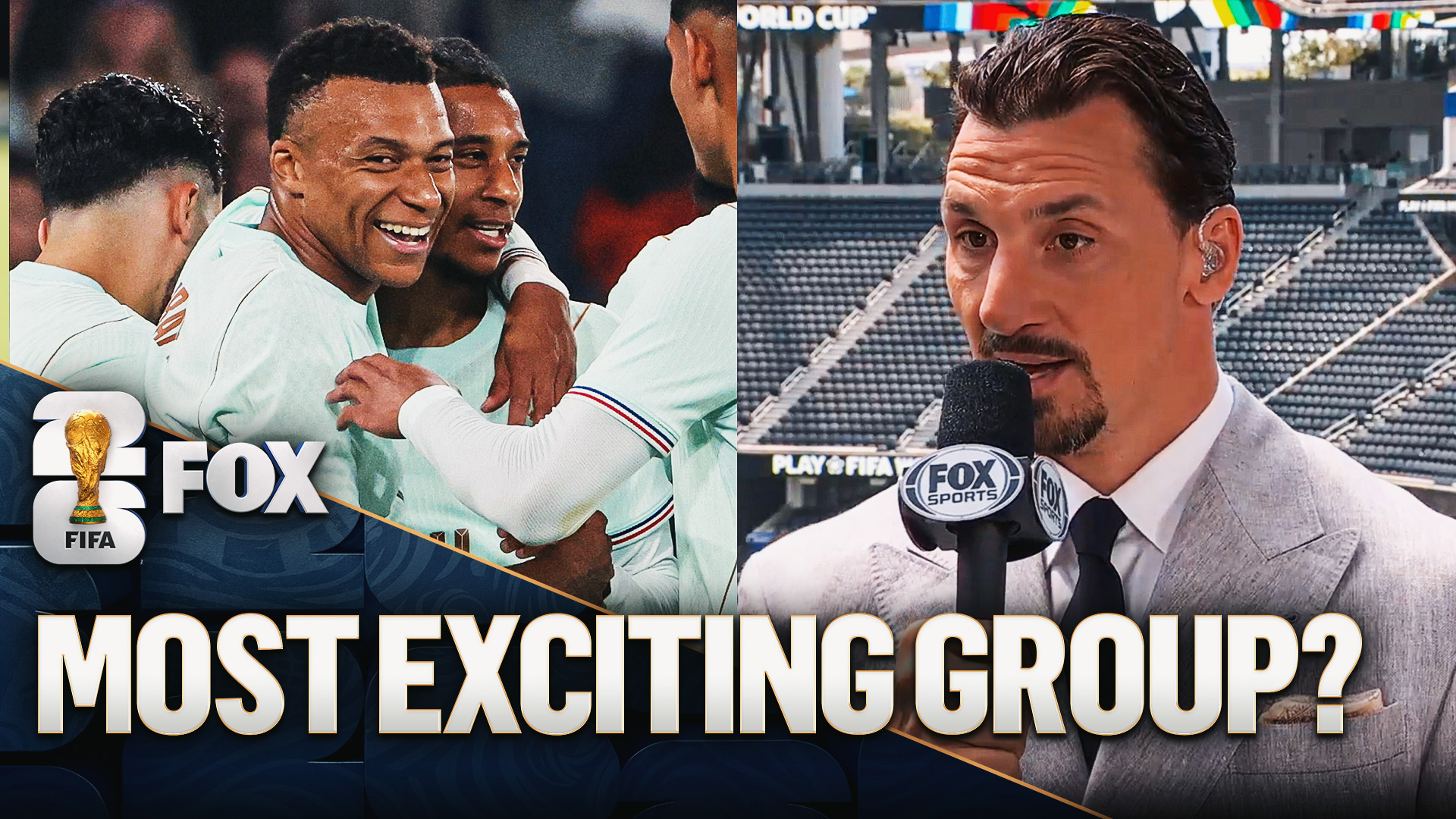
Stepping directly into the conversational arena with his unmistakable charisma, towering physical presence, and trademark unfiltered honesty, the enigmatic Swedish icon Zlatan Ibrahimović pointed his finger firmly at Group L as the ultimate arena of raw human drama and unpredictable footballing chess. This group presents an absolutely intoxicating collision of diverse sporting cultures, historic failures, and emerging generations, bringing together the tactical burden of England, the ageless resilience of Croatia, the explosive young talent of Ghana, and the passionate, determined underdogs of Panama. Ibrahimović, who built an legendary career on dismantling defensive lines and defying the conventions of the sport, analyzed these group dynamics with his trademark blend of cold-eyed pragmatism and deep admiration for the game’s chaotic nature. He boldly predicted that while an unfortunately outmatched Panama might find themselves serving as a heavy “punching bag” for the disciplined European giants, the true source of group disruption and absolute chaos will come from a highly motivated, fearlessly talented Ghanaian squad. Ghana, a nation with a rich history of World Cup heroics, represents a dangerous wildcard armed with youthful exuberance, blistering transition speed, and a collective desire to completely upend the established world order. Their explosive style will pose a massive psychological test for an England squad carrying the crushing weight of their passionate fans’ expectations, as Harry Kane and his teammates arrive still haunted by their agonizing Euro 2024 final defeat to Spain, desperate to break a historic trophy drought that has plagued the nation since their legendary 1966 victory. Combined with the presence of Croatia, a team defined by their immortal midfield conductors and unparalleled tournament grit, Group L promises to be a grueling, high-stakes battlefield where every single second will demand the absolute limit of human endurance and mental fortitude.
While the European legends view the upcoming matches through a wide-angle global lens, prominent American soccer pioneer and FOX Sports analyst Alexi Lalas has trained his intensely passionate, uncompromising focus on the high-gravity environment of Group D, which features the United States. For Lalas, a trailblazer who famously wore the red, white, and blue during the transformative 1994 World Cup tournament on home soil, the era of the United States Men’s National Team playing the role of the humble, happy-to-be-here guest at the world’s greatest sporting party has finally reached its logical end. Looking closely at a group that matches the Americans against the gritty defensive systems of Paraguay, the relentless physical drive of Australia, and the emotional, loud-and-proud sporting culture of Türkiye, Lalas delivered a direct, fiery message to the American soccer community, asserting that this roster must not merely aim to survive, but must actively look to dominate and win the group outright. This is not the starry-eyed fantasy of an over-optimistic commentator, but a hard-headed, realistic appraisal of an American generation possessing unprecedented depth, elite European club experience, and a level of technical sophistication never before seen in the program’s history. Lalas recognizes that utilizing a word as heavy and dangerous as “easy” to describe a World Cup draw is a risky proposition in a sport where grand reputations can be shattered in a single ninety-minute window of vulnerability, yet he insists that this particular group represents a generational opportunity that must be seized with absolute authority. It represents a vital psychological evolution for American soccer—transitioning away from the comfortable, low-pressure identity of the gritty, fighting underdog and stepping boldly into the harsh, demanding light of a footballing powerhouse expected to dictate matches and command absolute respect from the global community.
When we look past the complex tactical diagrams, the endless statistical projections, and the polished monologues of television presenters, we find that the true, enduring soul of the World Cup has always belonged to the intimate human stories that play out across these green fields. Consider the immense weight carried by the Haitian players, who run onto the pitch carrying not just tactical instructions, but the collective spirit, joy, and resilience of a nation that has endured profound historical and socio-economic hardships, using soccer as a glorious, brief escape and an assertion of their undeniable cultural dignity. Think of the young, dreaming athletes of Ghana, or the fiercely loyal families gathered in the cafes of Istanbul and Ankara cheering for Türkiye, for whom a single goal is not merely a piece of sports entertainment, but a profound validation of national pride and a bridge of connection that temporarily spans across vast oceans and social divides. This newly expanded forty-eight team format ensures that human cultural exchange on an unprecedented, beautiful scale will take place across North American host cities, transforming ordinary stadium corridors and city streets into a loud, kaleidoscopic carnival of languages, music, food, and shared human emotion. In a modern era too often defined by division, isolation, and social discord, the World Cup remains one of the last remaining global amphitheaters where people of vastly different backgrounds can stand shoulder-to-shoulder, weeping openly in shared athletic heartbreak or embracing complete strangers in a moment of ecstatic, unadulterated joy. This beautiful, unpredictable human tapestry is precisely what pundits attempt to describe when they talk about “magic” and “upsets”—they are highlighting those rare, fleeting moments when ordinary human beings rise above their everyday limitations to touch something truly divine, artistic, and completely unforgettable.
Now, the endless cycles of media speculation, tactical debate, and pundit analysis are rapidly drawing to a close, and the feverish, nervous energy of millions of fans across the globe is finally crystallizing into the tangible, thrilling reality of matchday. The monumental journey toward the most coveted trophy in all of sports begins in earnest on a highly anticipated Friday evening, as the United States Men’s National Team steps out onto the pristine grass under the brilliant stadium lights to face a notoriously disciplined, hard-tackling Paraguay side in their opening match of Group D. This highly anticipated clash is so much more than a simple quest for three initial group stage points; it is the official opening page of a massive, multi-week global festival that will completely captivate billions of human souls around the world. For the nervous players standing in the quiet intensity of the locker rooms, the world-class managers pacing the touchlines with heavy hearts and intricate tactical game plans, and the millions of families gathered around television screens in living rooms, bars, and public plazas, the talking is officially finished. As the referee raises the whistle to his lips and a deafening, unified roar cascades down from the crowded stands, all the elegant predictions of Thierry Henry, the colorful assertions of Zlatan Ibrahimović, and the bold challenges of Alexi Lalas will fade away into the night air. What remains is the raw, unscripted, and beautiful truth of the pitch, where twenty-two determined players will pour their sweat, blood, and tears into the grass, writing the next glorious chapter in humanity’s eternal, passionate love affair with the beautiful game.