





The Great Payroll Illusion: Why Baseball’s Salary Cap Crusade Is Just a Rich Man’s Fairy Tale
In the grand, chaotic theater of Major League Baseball, there’s a new villain being scripted, and it’s not a player caught in a sign-stealing scandal or a pitcher with a foreign substance up his sleeve. No, the designated bad guy of the 2025 season is something far more abstract: money. The league’s front office, seemingly bored with the on-field product, has decided to wage a war on payroll disparity, wrapping itself in a blanket of faux-populism to convince you, the fan, that the real enemy isn’t a hanging slider but a balance sheet. They have rolled out marketing campaigns with the subtlety of a beach ball, telling anyone who will listen that the game is broken, that the big bad Dodgers and their sea of gold coins have ruined the beautiful game, and that only a salary cap can save the children. It’s a narrative so old, so tired, and yet, so effectively manipulative that you have to admire the sheer audacity. The suits in the commissioner’s office are banking on the fact that you’re too busy comparing batting stances on social media to notice they’re trying to pick your pocket and call it a charitable act of leveling the playing field. But as any seasoned fan knows, the game is usually won and lost far from the owner’s corporate boardroom, and this latest cry for “fairness” smells suspiciously like a transparent attempt to gut player salaries and line their own pockets with the tattered remains of competitive balance.
Take a long, hard look at the “evidence” the league proffers for this supposed existential crisis. The marketing push, prominently displayed on their own streaming platforms, points a trembling finger at the Los Angeles Dodgers, citing their payroll and luxury tax bill as if they were once-murdered civilians in a true-crime documentary. They show charts and graphs, the kind you’d expect to see in a third-grade economics class, suggesting that the Rays, Brewers, and other lower-revenue clubs are just plucky underdogs fighting a hopeless battle against the fiscal Goliaths of the sport. The insinuation is that the Dodgers have built some sort of unfair monopoly on talent, buying up all the 3-2 fastballs in the world, while the rest of the league is left scavenging for scraps. But this carefully curated, whiny narrative falls apart the moment you look at the actual standings, which are far more compelling than any focus-grouped marketing copy. If the game is truly rigged for the highest spenders, someone forgot to tell the top of the AL East. While the Yankees occupy their usual position near the top, they are in second place, a fact that sends a shiver of joy down the spines of neutral fans. The narrative, it seems, has a tough time accommodating the sheer, beautiful randomness of a 162-game season.
Let’s play a game of “Who’s Who in the MLB Rejects”: The New York Mets, per various payroll trackers, have been operating with a payroll that would make a small nation cry, and with it, they are playing like, well, a team that just wants to go to the beach. As of this writing, they are in last place in the NL East, a full 19 and a half games back. In the city of angels, but without any divine intervention, sit the Los Angeles Angels, a team that has become a black hole of hope, sporting the worst record in baseball. They pay exorbitant money to a select few, yet seem to have cornered the market on late-September tee times. What about the San Francisco Giants? One of the biggest media markets in the world, a gorgeous ballpark, and a payroll obligation that tops $200 million, and they’re currently clearing out their lockers for the year. The Philadelphia Phillies, those big market spenders from a notoriously passionate city, lost a game that perfectly symbolized their season: flashes of brilliance followed by a soul-crushing defeat. So, if the big-spending teams are all failing at this season, then the league’s argument that they need a cap to help them compete falls flatter than a bad Mickey Hatcher fastball. The logic falls apart like a pitcher’s arm the third time through the lineup against the designated hitter.
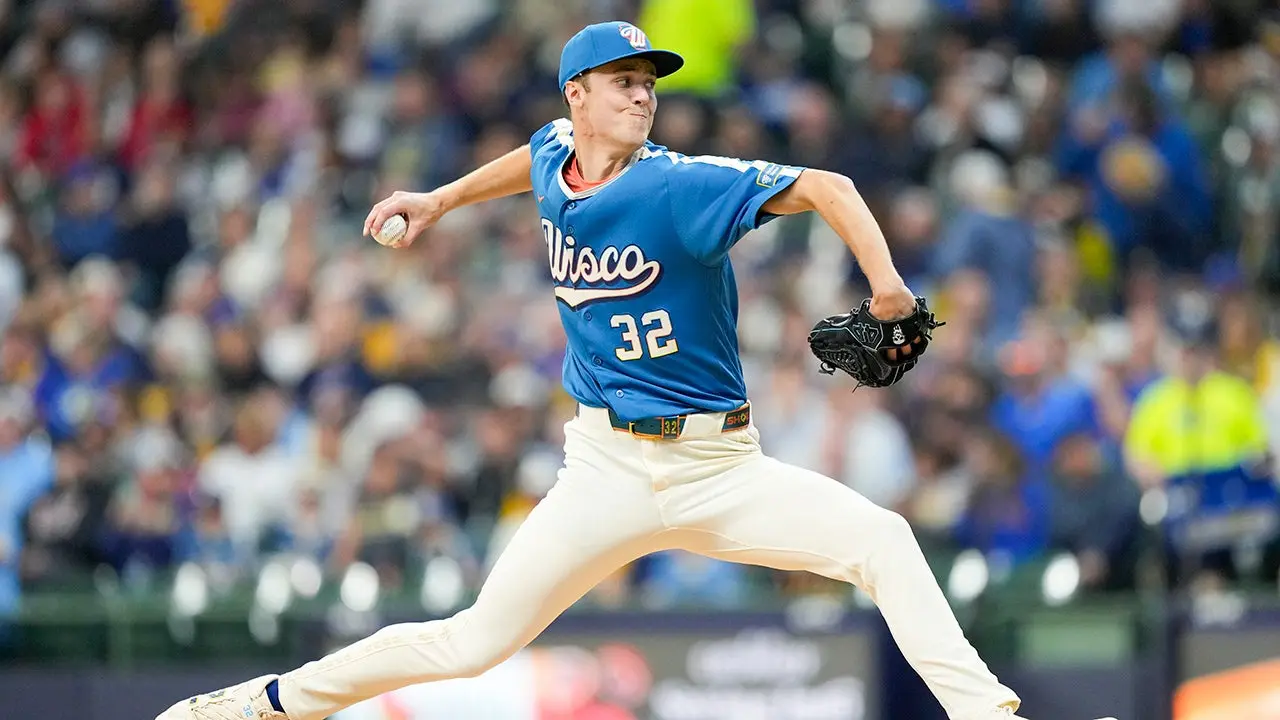
Conversely, tell me a story about the teams that are winning. Not the teams that are buying wins, but the teams that have built something from the ground up. The Milwaukee Brewers and the Tampa Bay Rays, two franchises with payrolls typically considered to be in the “salary cap relief” tier, currently hold the best records in their respective leagues. The Rays, the darlings of baseball analytics, didn’t do this by bidding against the Yankees for free agents; they did it through shrewd drafting, intelligent trades, and player development. The Milwaukee Brewers, similarly, are a testament to organizational identity and coaching. They are leading their division by a country mile, a collective scrum of overachieving, high-IQ baseball players. These teams don’t have 200-million-dollar superstars, but they have cohesive units, and they are winning. Yet, the league’s own narrative insists that these teams have no hope, that they are on a desolate island of inadequacy. Their success is the greenest grass on the field of the competitive balance argument, and it’s a blaring contradiction to the owners’ grand plot. If teams like the Guardians, White Sox, and Brewers can succeed in this season’s regular season, why exactly do they need a law against the Mets being stupid with their money? The “hope” for a small market team isn’t a mythical draft pick; it’s watching their 23-year-old ace throw another gem.
But the paint-by-numbers analysis of the owners’ argument gets even more unhinged when we consider where the real competitive imbalance lies: October. The regular season is a 162-game slog that determines the top 12 teams. Once those teams are set, it’s a crapshoot. The playoffs are a small sample-size joke, a delusional 12-team lottery where the ball doesn’t just bounce unpredictably, it hits a ground squirrel, then a fan’s pretzel, then bounces off the third-base bag for a double. The MLBPA and the players know this chaos well, and it’s the ultimate equalizer that no amount of money can buy. A salary cap wouldn’t create more competitive balance; it would just change the uniforms of the teams that happen to get hot in late October. The league is essentially begging for a world where a team that wins 83 games can be champion, but their revolutionary, simple, and elegant path to a title is somehow fairer than a $300 million payroll team that also happens to lose in the Wild Card. And that’s what makes the owners’ confidence so galling. They are betting on you being too caught up in the drama of a single game to realize you’re being played. The League’s “Level the Playing Field” could more accurately be titled “Level the Bottom Line,” because at the end of the day, fans will still pack the ballparks, buy the jerseys, and tune into a random Tuesday Mets-Pirates game in July. The sport doesn’t have a competitive balance problem; it has a revenue-sharing problem. The league office has spent so much time crying wolf over the Dodgers that they’ve missed the fact that their fans are laughing at their own team’s ineptitude, not cowering in fear of a salary floor. The game doesn’t need a cap; it needs a reality check.