





There is a unique brand of magic that takes hold of a country when its sports teams begin to exceed even the most optimistic expectations. For decades, the United States Men’s National Team (USMNT) has carried the heavy, sometimes suffocating burden of being perpetual underdogs on the global stage—a side capable of occasionally pulling off a shocking upset but rarely one expected to dominate a tournament with clinical, administrative ease. This year, however, the narrative surrounding American soccer has shifted in a profound way. The air is thick with a mixture of cautious optimism and newfound swagger, fueled by a young, hungry roster that has transformed their World Cup campaign from a stressful fight for survival into an incredibly exciting march toward potential glory. As the dust begins to settle on the initial group-stage battles, the path forward for this high-octane squad is starting to crystallize in ways that even the most die-hard, red-white-and-blue-blooded supporters could not have realistically dared to dream just a few weeks ago. The sporting gods seem to be smiling on the Americans in real-time, offering a genuine, golden opportunity for this modern “golden generation” to write their names in permanent ink on the grandest stage of world sport. This tournament is rapidly turning into something far bigger than merely getting out of the group; it is about recognizing that the bracket is unfolding in a manner that makes a deep, historic run look less like a wild fantasy and more like a tangible, imminent reality.
The sports science and data analysts have weighed in with comforting mathematical clarity, particularly after the chaotic dust of Group B settled on Wednesday afternoon. Following Bosnia and Herzegovina’s hard-fought, emotional 3-1 triumph over the tournament hosts Qatar—a dramatic result that officially sent the home country packing—the statistical wizards at The Athletic crunched the numbers to reveal a staggering reality: there is now a greater than 99% probability that the United States will face Bosnia and Herzegovina in the highly anticipated Round of 32. Because the Americans had already taken care of business and clinched the top spot in Group D last week, their reward was always destined to be a high-stakes meeting with a third-place finisher from an opposing group. While mathematical anomalies still theoretically exist for powerhouse squads like Senegal or Austria to slide into that slot, their chances have withered into the background at less than a measly one percent. On paper, this is as close to a dream draw as the Americans could have hoped for. The USMNT currently sits comfortably at 14th in the FIFA global rankings, while Bosnia and Herzegovina finds itself much further down the international ladder at 62nd. Of course, underestimating any opponent in a single-elimination tournament is a cardinal sin in modern football, but avoiding the traditional heavyweights and tricky European blockades so early in the knockout stages feels like an extraordinary stroke of tournament luck that this team must aggressively exploit.
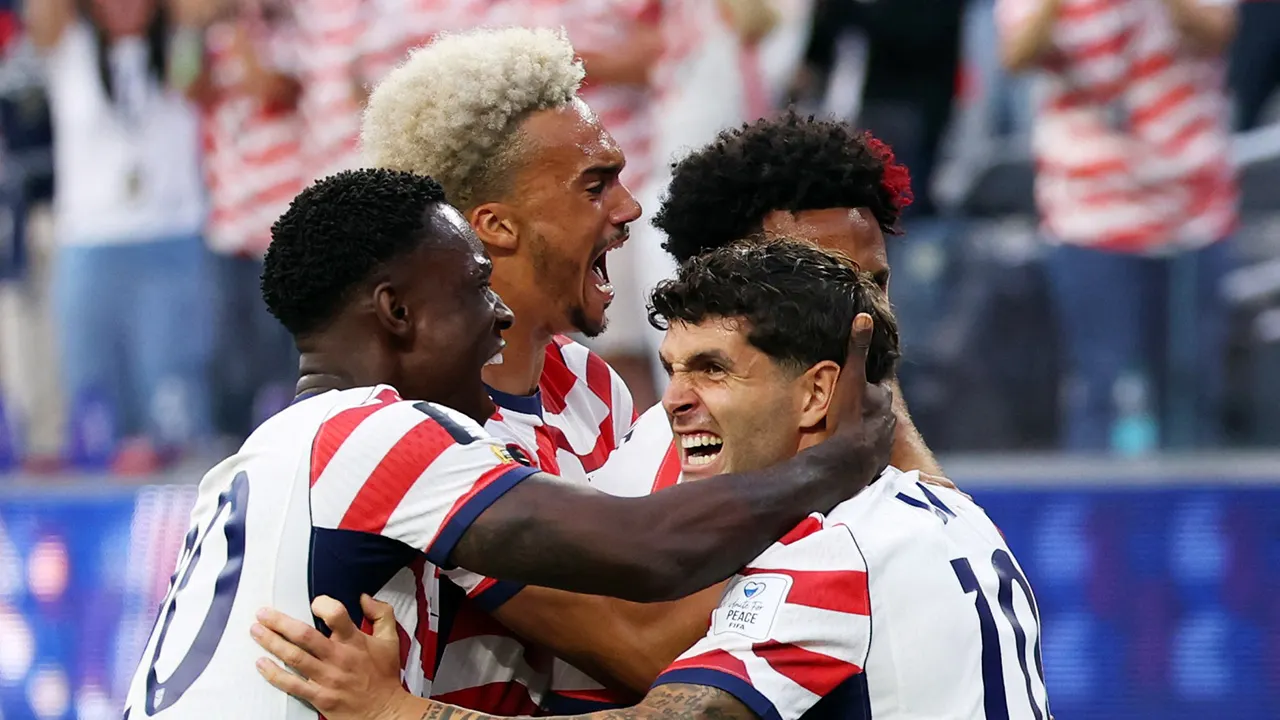
To truly appreciate how this American squad arrived at such an enviable juncture, one must look closely at their historic start to this tournament, which has defied decades of historical precedent. The Americans opened their campaign with an absolute statement of intent, delivering an explosive 4-1 dismantling of Paraguay that showcased an attacking flair, creative movement, and clinical finishing that has occasionally eluded American squads of the past. They followed up that offensive masterclass with a disciplined, mature, and defensively sound 2-0 shutout victory against a formidable Australia side, demonstrating the grit and tactical intelligence required to grind out results in the unforgiving environment of tournament football. When Paraguay went on to defeat Turkey later that same evening, the United States officially secured their supremacy in Group D, booking their ticket to the knockout rounds with an incredibly rare game to spare. These brilliant, consecutive performances marked the first time the U.S. Men’s National Team has won back-to-back games in a single World Cup since the inaugural, black-and-white era of the tournament all the way back in 1930. Armed with six clinical goals from their first two matches, this young team is playing with a level of confidence and tactical cohesion that has turned their upcoming, final group-play match against Turkey on Thursday into nothing more than a glorified, stress-free scrimmage.
Looking past the immediate horizon of the next round, the tactical and strategic landscape of the bracket continues to look incredibly favorable for the United States as they eye a potential deep run into the tournament’s final weekends. Should the Americans handle their business in the Round of 32 against Bosnia and Herzegovina, the bracket dictates that they would go on to face either the winner of Group G or another battle-tested, third-place squad in the Round of 16. What makes this projection so mouth-watering for American soccer fans is the complete absence of intimidating, top-tier global superpowers blocking their immediate path. In fact, out of all the possible opponents the team could theoretically face in that subsequent round, only Belgium is ranked higher than the United States, and even that is by the thinnest of margins, with the Red Devils occupying the 10th spot in the FIFA rankings and currently needing outside help just to win their own group. The usual “Group of Death” anxiety and bracket math stress that has historically plagued American World Cup campaigns has been replaced by a manageable, highly structured road where every match feels winnable if the team plays to its established identity. It is a rare, beautiful luxury in international sports, and the coaching staff has the unique privilege of managing player fitness and tactical variations without the soul-crushing pressure of must-win scenarios hanging over their heads.
Beyond the tactical adjustments on the green grass, this tournament is capturing a broader, rapidly evolving cultural shift within the United States, cementing soccer’s status not as a foreign novelty, but as a genuine pillar of modern American cultural identity. The domestic buzz surrounding this team is reaching a fever pitch, fueled by prime-time television broadcasts, viral moments on social media, and a deep-seated national desire to see the country assert itself as a legitimate global soccer superpower. Adding a layer of high-profile political and cultural spectacle to the sporting event is the upcoming grand finale, where FIFA President Gianni Infantino recently revealed that former President Donald Trump is slated to deliver the World Cup final trophy, highlighting the massive entertainment and cultural intersections that are defining this iteration of the world’s most popular game. This convergence of high-stakes sports drama, patriotic pride, and mainstream theatricality shows that soccer in America has finally broken through its historical niche boundaries. The national team is no longer just playing for the die-hard fans who wake up at odd hours of the morning to watch foreign leagues; they are playing for a massive, captivated home audience that is watching their every move with collective bated breath, eager to see how far this historic journey can go.
As the excitement reaches a crescendo, the logistical countdown is officially underway for the Americans to turn these favorable bracket projections into hard-earned, historic victories on the pitch. The action resumes tonight with their low-stakes, group-closing matchup against an already-eliminated Turkish squad at 10 p.m. Eastern Time, serving as the perfect opportunity to keep key players match-fit, test alternative tactical shapes, and protect the squad from any unnecessary injuries. Once that final whistle blows, all eyes will shift with intense focus toward next Wednesday, where the squad is set to travel to the Bay Area in California for their monumental Round of 32 knockout clash, presumably against a resilient Bosnia and Herzegovina team ready to fight for their survival. There is a palpable, electric sense that this tournament represents a tipping point for the sport in America—a rare historical window where preparation, elite talent, and bracket luck have perfectly converged. Whether this promising path leads to a historic semi-final berth or an unprecedented run all the way to the trophy presentation remains to be seen, but one thing is absolutely certain: the USMNT has never had a clearer, more inviting pathway to carve their names into the permanent archives of global sporting history.