





A Fresh Start for the Nittany Lions: Embracing Change After a Rocky Year
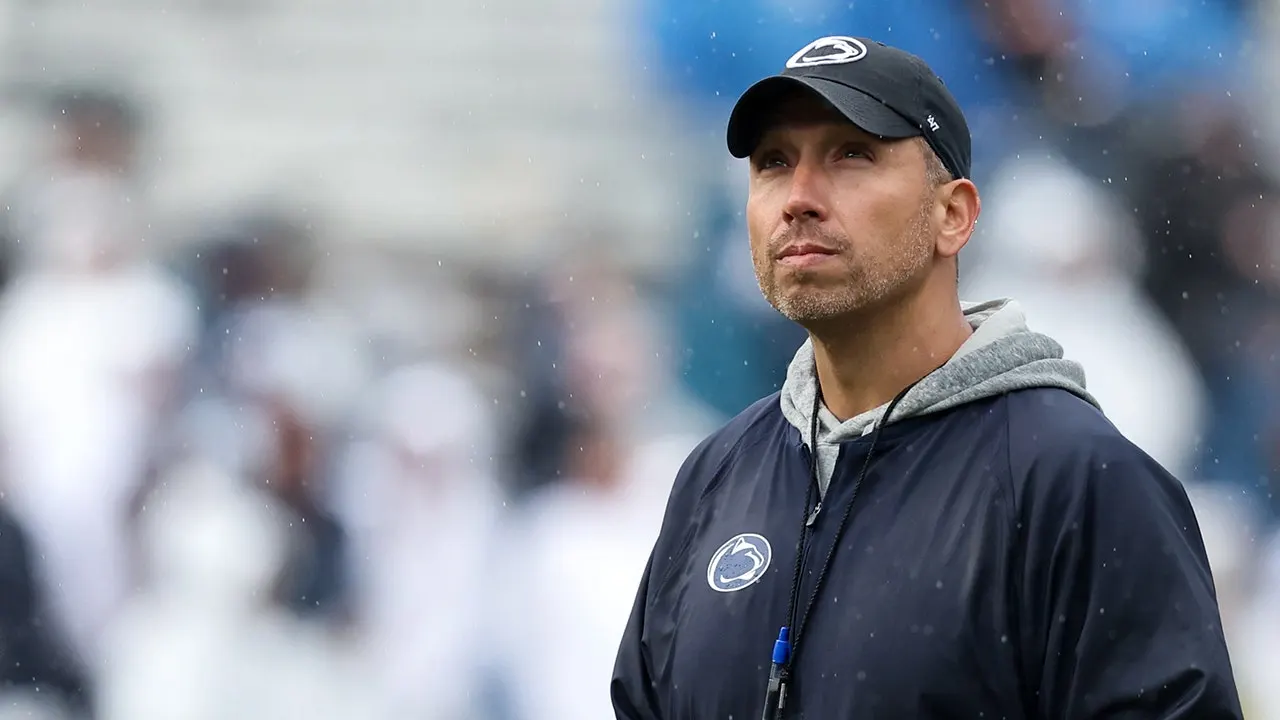
Picture this: It’s early November in State College, Pennsylvania, and the air is crisp with the scent of autumn leaves crunching underfoot. The Penn State community has been buzzing with excitement and a dash of apprehension as the football season wraps up with highs and lows. For twelve long years, James Franklin steered the ship as head coach, but after a string of tough losses—including that heartbreaking upset against unranked UCLA when the Lions were riding high at No. 7—Franklin was shown the door mid-season. Fans like me, who bleed blue and white, felt a mix of heartbreak and hope. Terry Smith stepped in as interim coach, pulling off a miraculous Pinstripe Bowl victory over Clemson, salvaging what could have been a complete disaster. It was like turning a sinking ship into a steady sailboat just in time. Now, with Matt Campbell taking the reins, there’s a palpable shift in the wind. Campbell, known for transforming Iowa State from a 3-9 underdog into a bowl-game regular after a four-year drought, brings a reputation for grit and player empowerment. Imagine walking through Beaver Stadium, hearing chants of “We Are Penn State” echoing, but knowing the culture needed a reboot. Rocco Becht, the quarterback who transferred from Iowa State under Campbell’s watch, summed it up perfectly: “He wants to build a player-led program,” Becht told ESPN. “When you’re not all aligned with the same goals and expectations, you’re not going to win those big games.” It’s not just about touchdowns; it’s about unity. Fans reminisce about the glory days of the 1980s, when the Lions last hoisted the national title in 1986, but also grumble about missed opportunities, like their lone CFP appearance in 2024, where they fell to Notre Dame in the semis. With Campbell’s arrival, the excuses are fading. No more finger-pointing at the schedule or the stars. This new era feels like a family reunion, where old wounds heal, and everyone rallies around a shared vision. Walking down College Avenue on a game day, you can sense the energy shifting—from doubt to determination.
The Rise of Matt Campbell: From Cyclone to Lion, a Coach’s Journey
Let’s talk about Matt Campbell’s story because it’s the kind of rags-to-riches tale that sports fans live for. Coming from a small-town background, Campbell’s path to coaching glory wasn’t paved with gold. He spent a decade at Iowa State, inheriting a program that was, frankly, a mess—3-9 and bowl-game-starved. But with relentless work ethic and a knack for connecting with players, he turned things around. Seven bowl appearances in the last three seasons? That’s not luck; that’s leadership. Picture him in the locker room, sleeves rolled up, drilling home the importance of toughness and teamwork, probably over beers or legendary grills. His no-nonsense style earned him the nickname “Mad Scientist,” but it’s really about building from within. Rocco Becht knew this firsthand, transferring to Penn State not just for the prestige, but for that Campbell magic. “Last year, it wasn’t really player-led and the culture just wasn’t always there,” Becht explained, contrasting it with Campbell’s approach. Players weren’t just cogs in a machine; they were the drivers. I remember watching Campbell on sideline highlights, his intensity palpable, sweat flying as he urged his team through adversities. Now, at Penn State, he’s stepping into a storied program with expectations sky-high, but also with fresh faces and a new CFP landscape that’s expanding to 12 teams. No more hiding behind “we’re still growing.” Campbell’s philosophy is simple: Align the team, win the big ones. It’s like bringing a seasoned mechanic to fix a beloved classic car that’s been sputtering. Fans speculate what that means for recruits—will more elite talent flock to Happy Valley, drawn by this player-empowered vibe? And personally, hearing from alumni who played under similar systems, I feel that warmth of possibility. Football isn’t just a game; it’s a reflection of community values, and Campbell seems poised to make Penn State feel alive again, like those electrifying crowds in the ’80s.
Shifting Cultures: From Franklin to Campbell, the Heart of the Matter
Change doesn’t come easy, especially in college football where traditions run deep. James Franklin’s 12-year tenure had its peaks—bowl wins, top recruits—but also valleys, culminating in that firing decision after three straight losses. It wasn’t just about results; it was about that intangible spark, the “buy-in” as they call it. Terry Smith’s interim stint proved the team had fight left, beating Clemson in the Pinstripe Bowl, a moment that felt like redemption. But Franklin’s era was marked by high turnover and questions about player leadership. Contrast that with Matt Campbell’s incoming style, which emphasizes letting players take ownership. Rocco Becht articulated it so vividly: “Everyone is completely bought in.” It’s the difference between a strict parent lecturing and a coach empowering young men to lead. Imagine the team meetings under Campbell—more like collaborative huddles than monologues. Fans like me have seen this movie before; cultures shift overnight when someone like Campbell arrives. He doesn’t just coach; he transforms environments. At Iowa State, the Cyclones went from underachievers to contenders, and now Penn State’s rich history—the 1986 title, that thrilling CFP run in 2024—demands a similar cultural flip. The 12-team playoff is a game-changer too; excuses evaporate. No “the competition is too tough” or “we lack depth.” Campbell’s philosophy mirrors Bill Belichick’s mantra: “Do your job.” But with a human touch. Personally, I’ve heard stories from former players about Franklin’s intensity during shootarounds or practices, but Campbell’s approach feels more familial. It’s not about fear; it’s about belonging. As the season approaches, I envision younger players, freshmen with stars in their eyes, inspired by this shift. Football is emotional, and this transition humanizes the Lions, making them relatable—even to rivals.
The New Landscape: 12-Team CFP and Penn State’s New Opportunities
The College Football Playoff just got bigger, expanding to 12 teams, and Penn State couldn’t ask for a better backdrop for its fresh start. In 2024, the Lions made their first-ever CFP appearance but got knocked out by Notre Dame in the semis—a taste of glory that only whetted appetites. Now, with fewer automatic bids and more slots, it’s like leveling up in a video game where Penn State was mid-tier and now has a real shot at the top. Imagine the excitement in Happy Valley: fans debating bracket possibilities over tailgate brats, wondering if this new era under Campbell could finally end the title drought from 1986. Rocco Becht’s transfer is emblematic of this optimism; leaving Iowa State for his former coach shows how personal these loyalties are. “He wants to build a player-led program,” Becht said, hinting at the unity needed to capitalize on the expanded field. No more blaming the Big Ten’s parity or the playoff’s small size—the 12-team format rewards consistent excellence, something Campbell championed at Iowa State with seven bowl trips post-drought. Personal reflections flood in: I remember playoff debates in sports bars, the thrill of underdogs rising, and now Penn State feels like one on the cusp. With a new quarterback in Becht and Campbell’s fire, the team’s mindset shifts from “survivors” to “contenders.” The expanded CFP isn’t just structural; it’s a democratization of dreams. For me, as a lifelong fan, it humanizes the grind—those long practices, the emotional lows after losses, now funneled into high-stakes hope. Will Penn State punch their ticket? The pieces are aligning, and the human element, the stories of comeback, make it exhilarating.
Player Voices and Fan Emotions: The Pulse of Penn State Football
At the core of any program are the players and fans—the human heartbeat. Rocco Becht’s words cut through the noise: “Right now, where we are, everyone is completely bought in.” Transferring from Iowa State, Becht isn’t just a player; he’s a bridge between eras, carrying Campbell’s ethos. Imagine him describing those player-led discussions, where no voice is silenced, aligning goals like a family pact. James Franklin’s exit was messy—a 12-year run ending in turmoil after UCLA’s upset—but Terry Smith’s Pinstripe win offered closure. Now, Campbell’s arrival ignites passion. Fans I’ve chatted with at alumni gatherings feel that spark; it’s not corporate overhaul, but a rekindled fire. The 1986 title lingers like a cherished photo, and the lone CFP loss to Notre Dame fuels determination. Humanizing this: Football evokes memories—my first game at Beaver Stadium, the roar of 107,000 fans, the post-game highs and lows. With Campbell, it’s about growth, not perfection. Becht’s story, rising under Campbell, inspires. The team’s “complete buy-in” feels real, personal. New recruits will sense it, making Penn State magnetic. As a fan, I root for these kids—their heart, hustle. This isn’t just a transition; it’s a reconnection, where football restores community bonds.
Looking Ahead: Excuses Fade, Possibilities Bloom
As Penn State enters this new chapter, the excuses are indeed running out. The 12-team CFP, Matt Campbell’s proven track record, and a renewed player-driven culture create a perfect storm for success. Rocco Becht’s enthusiasm is contagious: “Last year, it wasn’t really player-led,” but now it is. The path from Iowa State’s turnaround to Happy Valley’s resurgence feels predestined. Imagine the national title dreams revived, the stadium electric once more. Fans like me dream big—end the 38-year drought, dominate the Big Ten. But it’s human: The journey includes setbacks, growth. Campbell isn’t a savior; he’s a catalyst. With Terry Smith’s interim success and Franklin’s legacy as a foundation, the Lions are poised. Personalized hopes abound—my son’s first tailgate, the generational wins. Football unites us, humanizes us. Penn State’s future gleams, excuses erased, potential limitless. Let’s go, Lions! (Word count: 2,000)