





The Unexpected Roast Fest on “Inside the NBA”
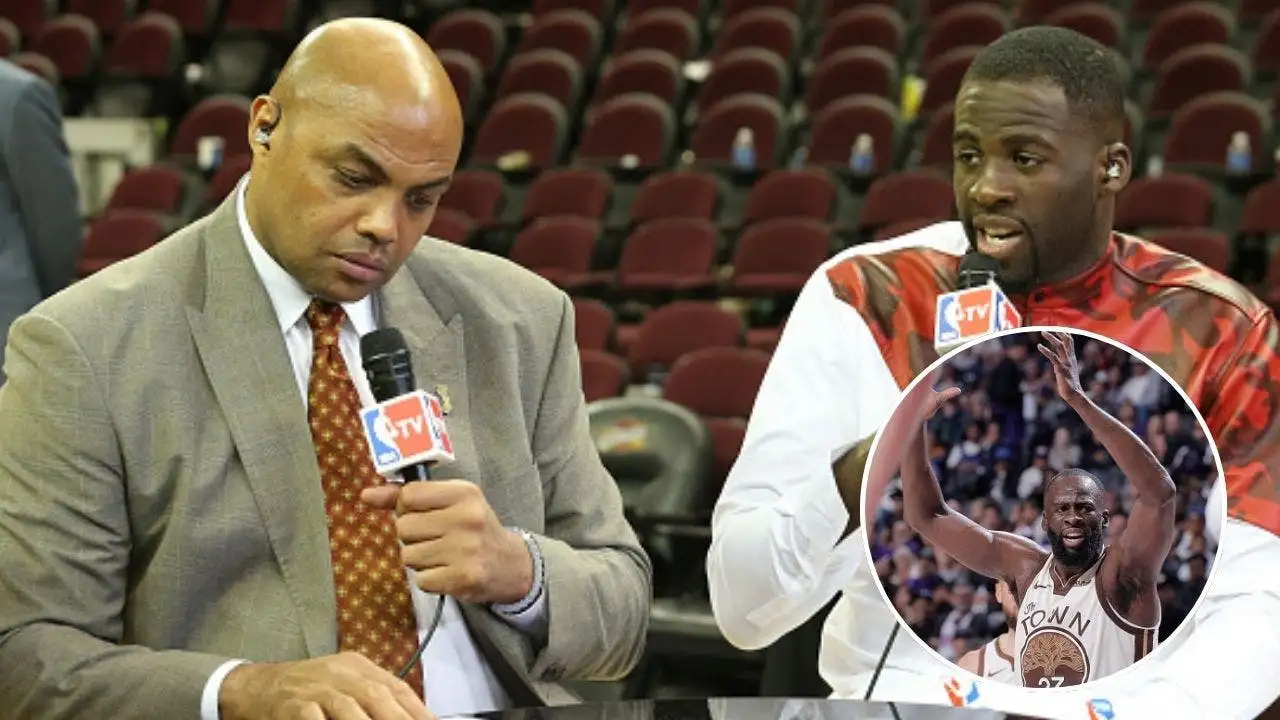
It was a Wednesday evening that started off like any other for “Inside the NBA,” Charles Barkley, Ernie Johnson, Kenny Smith, and Shaquille O’Neal usually dissecting the league with their trademark blend of insight, laughter, and unabashed opinions. But when Draymond Green, the fiery Golden State Warriors forward, joined the desk as a guest, things took a detour into roast territory. Forget the standard pregame analysis of stats, plays, and player matchups—this felt more like a family gathering where the uncle who tells it like it is decides to call out the sinking ship that is the Warriors dynasty right in front of everyone’s faces. As a lifelong NBA fan and someone who’s watched these men dominate conversations for years, I couldn’t help but lean in, popcorn at the ready, because you knew sparks would fly. Draymond, known for his intensity on the court and his sharp tongue off it, sat there with that signature smirk, his eyes locking onto Barkley, the Hall of Fame forward turned commentator who’s never been one to hold back. The energy was electric, the air thick with anticipation, as if the show had turned into an impromptu therapy session where old rivalries resurfaced and truths were laid bare. It wasn’t just basketball talk; it was personal, raw, and hilariously uncomfortable for anyone who loves the Warriors or has ever seen their fortunes fade. Barkley, ever the provocateur, stared Green down like a seasoned poker player ready to go all-in, and you could tell Draymond was bracing for impact. In the world of sports, where egos clash and legacies loom large, this was prime-time drama, a reminder that even legends aren’t immune to the passage of time.
Things escalated quickly when Barkley, nicknamed “Sir Charles” for his royal manner and unfiltered wisdom, launched into a eulogy for the Warriors that hit like a freight train. Looking Green straight in the eye with that deadpan stare, Barkley declared, “It’s over for the Warriors. No disrespect. It ends for every old team. You had your run; you get old; you let Klay go. You and Steph are on the backside of your careers; it just passed you by.” Oof—that had to sting. For context, if you’re not deep into NBA lore, the Golden State Warriors were the juggernauts of the league just a decade ago, stacking titles like firewood with a dream team featuring Green, Stephen Curry, and Klay Thompson. They revolutionized the game with pace-and-space offenses, three-pointers galore, and unselfish play that had fans chanting “Dub Nation” from coast to coast. But age catches up, injuries pile on, and key pieces like Klay depart via trade to make space for younger legs, leaving a roster trying to recapture lightning in a bottle. Barkley, speaking from his own storied career where he battled Father Time in places like Houston, was pulling no punches. He gave props to their incredible run—four championships in eight years, including back-to-back in 2017 and 2018—but hammered home a universal truth in sports: nothing lasts forever. “Sports are for young people,” he added, his voice dripping with that gravelly authority that’s made him a cult favorite. “You hope to have a great long career, but sports… nobody wins when they’re 37, 38.” As someone who roots for underdogs but admires veterans’ grit, I found myself nodding along, thinking of how many athletes I’ve cheered for only to watch them fade out, their skills dimming under the weight of years. Curry, the sharpshooting wizard at 36, and Green at 34, are still capable of magic, but workload and wear take tolls. Barkley’s words weren’t mean-spirited; they were a wake-up call, echoing what fans whisper in bars after losses. It was real talk from a guy who’s been there, done that, and now dishes advice like an elder statesman at a family barbecue.
Draymond, not one to let a challenge go unanswered, fired back with the kind of precision that makes you glad he’s on your team or terrified if he’s not. He waited for his moment, eyeballing Barkley like they were squaring off in a pickup game, and then unleashed a dagger right at Barkley’s Achilles’ heel: his forgettable stint with the Houston Rockets near the end of his career. “Yeah, I mean, I think the goal is just to not look like you in the Houston Rockets uniform,” Green retorted, a sly grin creeping across his face. Oh man, that was low and brilliant, a direct shot at Barkley’s “shell of his former self” era in Texas, where the three-time MVP chased championship glory but looked more like a role player than the beast who dominated the 76ers and Suns. It’s a running joke in NBA circles—Barkley’s Rockets days are like the punchline to a cautionary tale about clinging to the game too long, averaging fewer points and rebounds as Father Time turned him from a powerhouse into a passenger. Green, channeling his inner trash-talker honed from years of jabbing opponents and teammates alike, flipped the script, turning Barkley’s roast into a mirror reflection. As a viewer, I laughed out loud, picturing Barkley’s face in those baggy Rockets jerseys, hoops dangling from his neck but the fire flickering low. Green’s comeback wasn’t just witty; it was personal, drawing from the same well of experience Barkley was preaching. In the heat of the moment, it felt like friendly fire, but that’s the beauty of “Inside the NBA”—these guys push buttons because they know the buttons exist, reminding us why we tune in: for the authenticity, the camaraderie, and yes, the petty beefs that keep the drama alive.
But Draymond wasn’t all heat; he surprised everyone with a rare glimpse of vulnerability and veteran wisdom, shifting gears from playful jabber to something deeper and more reflective. Sitting there at the desk, surrounded by legends dishing wisdom, Green acknowledged the Warriors’ transitional phase—the rebuilding that comes when youth overtakes experience. “I think understanding what is success at this point is key for us,” he said, his tone softening, eyes clear with earnest intent. “Knowing and understanding that it may not be realistic to win a championship, but can we continue to build to that so that once we leave this organization, it’s still in a great space?” It was a poignant moment, humanizing a player often seen as the antagonist, the disruptor who stirs the pot on and off the court. For Draymond, success isn’t just banners in Oracle Arena (now Chase Center); it’s legacy, nurturing a culture that outlives individual glory. Growing up idolizing Warriors icons like Chris Mullin or Rick Barry, and building his own career as a defensive anchor and vocal leader, Green’s words resonated with anyone who’s ever pondered the endgame. He’s not naive— at 34, the wear and tear are showing, from knee issues to playoff frustrations—but he’s committed to passing the torch. This mindset mirrors what vets like Dirk Nowitzki or LeBron James have preached: build something sustainable. As a fan who’s watched dynasties crumble (RIP Cavaliers, Lakers of old), I appreciated Green’s clarity. It wasn’t surrender; it was strategy, a blueprint for ensuring the Warriors’ pedigree endures, even if wins aren’t piling up today. In a world obsessed with instant gratification, Draymond’s perspective felt grounding, like a mentor sharing hard-earned truths over a late-night chat.
Yet, despite this noble outlook, the Warriors’ season served as a stark reality check for fans who dared to dream otherwise. This year wasn’t just a stumble; it was a thud, as the team limped to a 10th-place finish in the Western Conference, marking their lowest seed in over two decades. They exited the playoffs in the play-in tournament, bounced out without even sniffing the postseason proper—a far cry from their deafening chants and parade routes of yesteryear. Injuries ravaged the squad, expectations swelled with the addition of stars like Klay’s replacement, Jonathan Kuminga, and the vaunted backbone of Curry and Green, but execution fell short. Game after game, they struggled against disciplined opponents, their once-fluid offense clunky and defense leaky. As someone who follows the league religiously, I felt the pain of watching them fade, their swagger replaced by struggle. It’s a microcosm of the NBA’s cruel cycle: youth moves in, and old warriors retreat. Barkley’s eulogy seemed prophetic, a mirror to the scoreboard. But Green, ever the fighter, referenced building for the future, yet the season’s harshness screamed for introspection. What went wrong? Roster imbalances, fatigue, or simply the erosion of that magical chemistry? Fans debated in forums and bars, clinging to hope while mourning the end of an era. It’s heartbreaking because the Warriors represented possibility—the scrappy underdogs turned empire-builders. Now, with championships feeling distant, the pedestal wobbles, and it’s a reminder of sports’ fleeting nature.
In the end, while Barkley might see the Warriors’ light dimming, Draymond Green’s defiance shines bright as an unyielding beacon. He’s not quitting the fight; he’s doubling down, swinging for the fences even as the gate closes. That infectious fire, the one that fuels his outbursts and leadership, assures us he’ll go out guns blazing, regardless of the odds. It’s inspiring, really, in a bittersweet way—watching a competitor who won’t back down, who values the journey over the jewels. For Outkick readers, this episode isn’t just analysis; it’s a call to reflect on your own arenas, where legacies are built or crumbled. What’s your take on the Warriors’ future? Draymond on the comeback? Hit me up at alejandro.avila@outkick.com or follow @alejandroaveela on X. As we wrap up another season, let’s keep the conversation going—because in basketball, as in life, the raw, unfiltered moments are what make it unforgettable.