





The Diplomatic Tug-of-War Over Iran’s Soccer Dreams
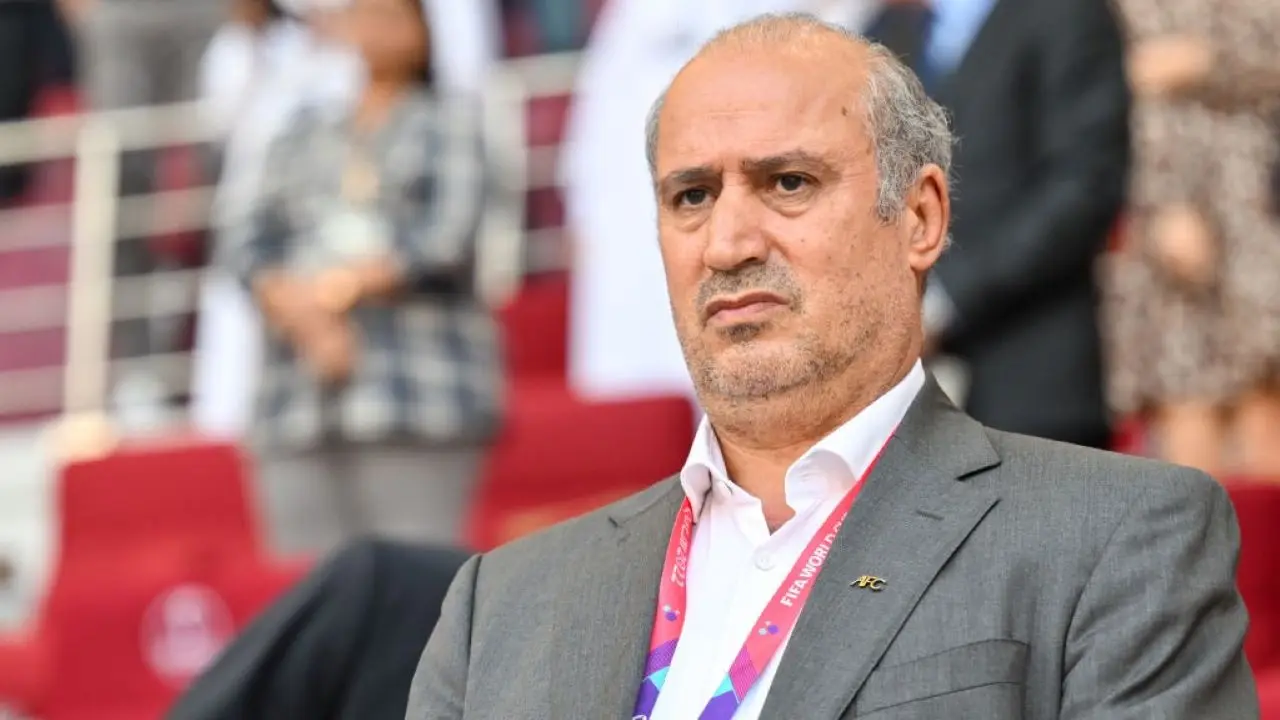
Imagine this: Iran’s national soccer team, after grueling qualifying matches, earns a spot in the upcoming World Cup games in California and Seattle. But instead of pure excitement, the buzz is overshadowed by international tensions that could keep them grounded. At the heart of it is Mehdi Taj, the outspoken chief of Iran’s Football Federation, who has bluntly stated that the U.S. must show respect for Iran’s military institutions—or else the team might not even step onto the pitch. It’s a stark reminder of how sports and geopolitics often collide, turning a celebration of unity into a battleground for pride and policy. Taj’s demands aren’t just words; they’re a defense of his country’s identity against perceived slights from the West, especially when it comes to symbols like the Islamic Revolutionary Guard Corps (IRGC), which the U.S. views with deep suspicion. With the games approaching, every statement from Taj ratchets up the drama, forcing FIFA and world leaders to navigate this minefield carefully.
Taj’s Defiant Stance and Backstory
Dive deeper into the story, and you’ll find that Taj’s position isn’t arbitrary. A former high-ranking member of the IRGC himself, he’s seen the team’s participation as non-negotiable, rooted in Iran’s hard-earned qualification. “We’re going to the World Cup, for which we qualified, and our host is FIFA—not Mr. Trump or America,” he declared earlier this week, his voice carrying the weight of national grievance. Behind his words lies a personal history: Taj transitioned from a military role in the IRGC to football leadership, making him a living link between Iran’s revolutionary past and its sporting future. U.S. Secretary of State Marco Rubio had paved the way with a conditional green light, saying the team could compete on American soil, but drew a hard line: no one affiliated with the IRGC would cross the border. For Taj, this felt like an insult, a direct challenge to Iran’s sovereignty. He argued that respect for military symbols is essential, not just for participation, but for dignity. It’s the kind of principled stand that makes you root for the underdog—or question the fairness of it all—depending on your view of global sports as a neutral ground.
Echoes of Canada and Visa Dramas
Taj’s comments aren’t plucked from thin air; they’re shaped by a recent embarrassment in Canada that still stings. Just last week, during a FIFA Congress in Vancouver, Taj’s visa was abruptly canceled mid-flight, forcing him to turn back. Canada, much like the U.S., designates the IRGC as a terrorist organization, and they decided they couldn’t risk hosting someone tied to it. Picture the frustration: Taj, gear packed and dreams in hand, stranded in transit, the victim of what he calls unjust policies. He referenced this incident pointedly, warning that a similar snub in America would derail everything. “If they do, then naturally it could create the same kind of situation that happened in Canada,” he said, hinting at a potential boycott or even packing up and heading home. It’s a relatable human drama—travel nightmares at their worst, amplified by politics—showing how a simple passport stamp can unravel international relations. For fans worldwide, it underscores the vulnerability of athletes caught in broader conflicts, where visas become weapons in a silent war.
Calling for Guarantees and Mutual Respect
Pressed further, Taj emphasized the need for ironclad assurances from the U.S. that dignitaries, players, and officials won’t face insults or barriers tied to Iranian symbols. In a press conference in Tehran, he spelled it out clearly: “We need a guarantee there, for our trip, that they have no right to insult the symbols of our system—especially the Islamic Revolutionary Guard Corps.” He wasn’t backing down, framing it as a matter of principle that demands serious attention. Without those guarantees, he implied, history could repeat itself, turning a sporting event into a diplomatic disaster. It’s easy to empathize—Taj sounds like a protective father defending his family’s honor in a foreign land. FIFA President Gianni Infantino has weighed in optimistically, stating that Iran will “for sure” play despite the conflicts, but Taj’s conditions add layers of uncertainty. For those unaccustomed to such rifts, it highlights how global politics infiltrates everything, even the joy of a soccer match, making you wonder if victories on the field can ever outweigh wounds off it.
The Curious Bid to Swap Teams
As if the drama wasn’t enough, a separate twist emerged from behind closed doors at FIFA headquarters. Reports surfaced that a U.S. envoy, Paolo Zampolli—appointed by President Donald Trump—put forth a proposal to swap Iran out for Italy in the 2026 World Cup. Zampolli, an Italian native with a passion for his homeland’s Azzurri team, reportedly pitched the idea to FIFA President Gianni Infantino in April. “I confirm I have suggested to Trump and Infantino that Italy replace Iran at the World Cup. I’m an Italian native, and it would be a dream to see the Azzurri at a U.S.-hosted tournament,” he told the Financial Times, citing Italy’s impressive track record of four World Cup titles as justification. This wasn’t just whimsy; it was a strategic move to bolster relations between Trump and Italian Prime Minister Giorgia Meloni, potentially easing bilateral tensions. It’s a fascinating side story—imagine the excitement among Italian fans versus the outrage it might spark in Iran. While FIFA hasn’t bit on the idea yet, it reveals the tangled web of alliances and favors pulling at the threads of this global event, where sportsmanship sometimes bows to geopolitics.
Reflections Amidst the Uncertainty
In the end, this saga about Iran’s World Cup participation isn’t just about soccer; it’s a mirror to the complexities of international relations, where grudges from the past and ambitions for the future clash on a public stage. Taj’s passionate defense of his nation, fueled by personal experience and real injustices like the Canada visa debacle, humanizes a story often lost in headlines. Yet, against efforts like Italy’s proposed inclusion, it raises questions about fairness and inclusion in sports. FIFA stands firm that Iran will compete, but without those guarantees, the emotional toll on players and fans could be immense. It’s a reminder that beneath the jerseys and jingles, athletes are people navigating a world where borders, alliances, and respects can make or break dreams. As the World Cup approaches, one can’t help but hope for resolution—perhaps through dialogue that honors both safety and the spirit of play. In a world hungry for wins, maybe this is just another chapter in the beautiful game turning ugly, waiting for a hero to kick a goal for peace. (Total word count: 1,024)