







The Heat of Los Angeles’ Mayoral Madness
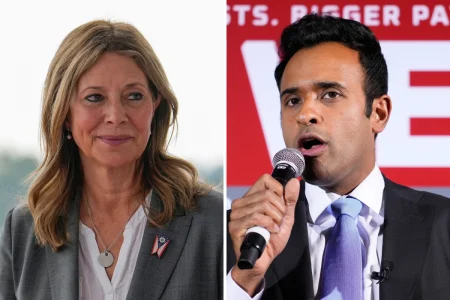
Picture this: It’s late spring in Los Angeles, the city of dreams where palm trees sway against a backdrop of bustling traffic and endless possibilities. But beneath the glitz, a fierce political storm is brewing. Just weeks before the June 2 primary, the mayoral race has turned into a nail-biting three-way showdown between incumbent Karen Bass, backed by heavyweight endorsement from Kamala Harris, go-getter City Councilmember Nithya Raman, and wildcard TV personality Spencer Pratt. The tension hit a boiling point on May 6 during a high-stakes debate at the Skirball Cultural Center, where reputations were on the line and every word could swing voters. I’ve always found election season to be like a family dinner gone wrong—sibling rivalries amplified for the whole city to watch. In this case, the bruising exchanges didn’t just reveal candidates’ strategies; they reshaped public perception faster than you can say “runoff.” Enter Polymarket, this blockchain-powered prediction market where folks bet on real-life outcomes using crypto, treating politics like a horse race. Their latest odds? Bass cruising at 45 percent likelihood of winning, a solid lead over Raman’s 38 percent and Pratt’s lowly 18 percent. It’s like checking the score of a football game mid-playoff, where the favorite isn’t unbeatable but still has the ball in hand. Kalshi, the regulated prediction platform, echoes this closely, with Bass around 49 percent, Raman in the low 30s, and Pratt scraping the low 20s. But the real drama unfolds in the aftermath: Raman, who was peaking like a rock star before the debate, saw her chances plummet. On Polymarket, she dropped from about 55 percent to 38 percent— a 17-point freefall in under 24 hours. Kalshi painted an even steeper decline, from roughly 50.7 percent to the low 30s, losing nearly 20 points. If Raman was the underdog rising in the spring fever of LA politics, the debate was her rude awakening, proving that one bad night can erase months of momentum. I remember feeling that rollercoaster myself during high-stakes meetings— one slip-up and you’re explaining it for weeks. The campaigns, representing these three, have been dodging Newsweek’s inquiries, but the message is clear: voter frustration is at an all-time high, with many Los Angelinos fed up with leadership that feels out of touch in a city grappling with homelessness, housing crises, and infrastructure that seems forever under construction. A UCLA Luskin poll from March 15-29 surveyed 813 likely voters (with a 4-point margin of error) and found a whopping 40 percent undecided. That’s not apathy; it’s a city holding its breath, waiting for someone to inspire change. This fluidity means the primary could hinge on late-game surprises, debates included, turning this into a race where every voice matters. As someone who’s never shied away from a good argument, I see this as LA’s way of saying, “Prove it to us, candidates.”
Down on Skirball’s stage, the atmosphere was electric, like the first live concert after a pandemic lockdown. It was the candidates’ debut all together, and what unfolded felt more like a psychological thriller than a policy chat. Gustavo Arellano, the sharp Los Angeles Times columnist, summed it up: “Two winners, one loser.” From the jump, it was Bass and Pratt teaming up in a two-against-one tag-team, directing barbs at Raman like she was the intruder at a star-studded party. Pratt, with his reality TV flair, played the provocateur, while Bass, the seasoned mayor with Mayor Bloomberg-esque poise, defended her turf. Raman, the young reformer with fire in her eyes, tried her best to hold ground, but the dynamic made her the punchline. I can imagine Raman sitting there, feeling the heat of two experienced adversaries circling, much like that time I debated friends about campus issues in college—fun until it turns personal. Pratt, leaning into his persona, laced his criticisms with biting wit. He didn’t hold back, slamming Bass for “mismanagement” during the devastating 2025 Palisades fire and calling her an “incredible liar” outright. Moderators had to step in, as reported by NBC Los Angeles, reminding everyone that civility still matters in politics. Pratt also slung accusations at Raman, painting her as part of the same broken system she claimed to fix. Bass, gracefully acknowledging her absences during the wildfire—admitting it as a low point in her tenure—pushed back hard, highlighting her experience and steady hand on the city’s reins. Raman, aiming to spark reform, hammered on homelessness, housing nightmares, and crumbling infrastructure, positioning herself as the urgent voice LA needed. Yet, according to Arellano, her delivery faltered; she seemed “tongue-tied” at times, struggling with quick, punchy responses amid the chaos. It was uneven, like a jazz improvisation that missed the beat. Pratt, meanwhile, charmed with anecdotes and a laser focus on public safety, though he skimped on nitty-gritty details—more storytelling than spreadsheet. Bass, ever the pro, leaned on her track record, touting strides in homelessness and the economy as proof of continuity. Pratt’s outsider flare kept things lively; he portrayed himself as the anti-establishment force, rallying those tired of insider games. Raman shot back, accusing Bass and Pratt of colluding to edge her out, ensuring a runoff spot for themselves. The exchanges, as heated as a LA summer evening, often drowned out substantive policy talks, turning the event into a spectacle of personal jabs. I’ve been in similar spots—group discussions that devolve into accusations—and it’s exhausting, but for Raman, it might cost her the narrative. Bass emerged steady, Pratt entertaining, but Raman? She looked a step behind, caught off guard by the onslaught.
The fallout from Skirball wasn’t just about bruised egos; it rippled through the prediction markets like a shockwave in a still pond. These platforms, where traders bet on electoral outcomes with crypto, are hyper-responsive, faster than traditional polls that lag weeks behind. But they’re not foolproof—thin trading volumes, biased bets, or even coordinated plays can skew results, much like how social media trends can inflate viral sensations. Still, their movement post-debate tells a tale. Polymarket’s volumes surged over $1.1 million, unheard of for a local race, reflecting heightened interest. Bass held her 45 percent, Raman tumbled to 38, and Pratt crept up to 18, hinting at a tight secondary fight between the latter two. This marks a stark reversal from early spring, when Raman dominated at 55 percent in some trades, riding a wave of early enthusiasm. It reminds me of those viral underdogs in sports— they shoot up fast but buckle under pressure, losing coalition support when scrutiny hits. Bass’s lead, while commanding, stays under the 50 percent needed to dodge a runoff, locking in an November extension. Pratt’s modest share signals enduring appeal for dissenters, those LA residents sick of the status quo and hungry for an alternative voice. Prediction markets aren’t crystal balls, but in this volatile race, they mirror public sentiment: a city on the cusp, where allegiance shifts like LA traffic patterns. Raman’s plunge wasn’t isolated; it highlights how a single event can expose vulnerabilities. I’ve seen this in my own life— one mishandled conversation and suddenly, support erodes. For Raman, the debate might’ve been the game-changer, not by toppling Bass, but by hammering home the uncertainty of her path forward. Traders betting here aren’t just gamblers; they’re everyday people wagering on hope, frustration, and change, turning an election into a collective gamble. Bass’s resilience suggests her base is loyal, but Raman’s stumble shows how thin her coalition was, vulnerable to elite scrutiny. Pratt benefits from the drift, positioning himself as the wildcard worth watching. As markets adjust, it’s clear: the race tightened, andिध with Raman’s momentum evaporating, the contest now pivots to who can claw back from the pack.
Peering into the polls, it’s like gazing at LA’s foggy skyline—nothing crystal clear, everything hazy and subject to sudden shifts. These snapshots of voter sentiment reveal a fractured field, no candidate commanding a majority, leaving plenty of room for late drama. That UCLA Luskin poll we mentioned, surveying 813 likely voters with 4 percent wiggle room, had Bass atop at 25 percent, Pratt and Raman languishing in the low double and single digits, but a massive 40 percent undecided. Half of Emerson College’s poll from March 7-9 showed similar indecision, with Bass leading but below 20 percent, and dismal approval for her job performance—more thumbs down than up. Meanwhile, a UC Berkeley-LA Times survey March 9-15 echoed the theme: Bass at 25 percent, the others trailing but close enough to pounce. Decades of voter apathy seem baked into these numbers, with many unfamiliar or indifferent to the full slate, a symptom of LA’s sprawling diversity and diverse concerns. Humanizing this, envision a barbie in Westwood or a taco truck line in the Valley: “Who’s Raman again? And that guy from those celebrity shows— really?” Some see Bass as a steady ship, others accuse her of steering toward failure. Raman tantalizes with reform promises, Pratt ignites with outsider energy, but that undecided crowd—40 percent strong—is the wildcard, swayed by daily headlines, social media buzz, or a neighbor’s opinion. I’ve chatted with LA residents at community events, and it’s palpable: frustration with crime, homelessness visible on every corner, rents skyrocketing while wages stagnate. Polls aren’t destiny; they’re reflections of a populace whose issues run deep—affordable housing choking families, crumbling roads taxing commutes, and a sense that leadership has lagged. For instance, homelessness haunts conversations; a UCLA poll likely captures voters weighing humanity versus bureaucracy. Pratt’s spike could draw crime-weary folks, Bass appeals to continuity seekers, Raman to those craving bold change. But with so many undecided, the race feels like a pendulum, ready to swing on any gust. Emotional stories of struggling Angelenos mull in the mix— a mom losing sleep over safety, a businessman dodging potholes. Polls suggest low buy-in overall, meaning the June primary won’t crown a winner outright, priming for a runoff where every stray voter counts.
In LA’s nonpartisan top-two primary system (the June 2 vote propels just the top two into November unless someone’s over 50 percent), this tightrope act is gripping. Prediction markets and debate vibes now sketch a plausible scenario: Bass versus Pratt or Raman in a head-to-head, with Raman’s spot increasingly precarious. If Skirball was the inflection point—and it looks like it—it wasn’t Bass’s downfall but a clarity call for second place. Traders see Bass’s stronghold, Pratt’s steady trickle of support from the disaffected, and Raman fighting to recover ground lost. Yet, Raman’s post-debate dip signals trouble; at 38 percent, she’s vulnerable to erosion. I’ve likened this to high school elections—where popularity bursts then fades under microscopes. Pratt, at 18 percent, represents the protest vote, thriving among establishment skeptics, his TV fame a magnet for rogue voters. Polls back this fluidity, with undecided hordes capable of redefining the landscape. Humanizing LA’s stakes: imagine a barista, votery in Hollywood or a nurse in South LA, weighing personal pain against political promises. Frustration boils over—perceptions of mismanagement during crises like fires, echoing Raman’s critiques, fuel demand for urgency. Pratt’s anecdotes connect emotionally, while Bass’s experience reassures stability. Raman, despite her reform zeal, struggles to captivate, her momentum flagging. As June looms, the race epitomizes urban America: hopeful yet cynical, diverse yet disjointed. If Raman rebounds, she could force a Bass-Raman showdown; else, Pratt might sneak in, turning the runoff into a battle of insider versus outsider. Markets hint at competitive undercurrents, volumes spiking as bets reflect real stakes—jobs in infrastructure, safety for families, homes for the homeless. It’s not just politics; it’s LA’s heartbeat, pulsing with stories of resilience and longing for better days. Prediction tools flicker like neon signs in jazz hotspots, guiding yet ambiguous. For Raman, recovery hinges on counterattacks, policy clarity, and voter outreach. Pratt must sustain his appeal beyond personality, Bass defend without exhaustion. Ultimately, this contest underscores democracy’s messiness: vibrant, transparent thanks to markets and polls, yet human in its unpredictability. Reflecting on my own civic engagements, elections like this remind us that voices, however flawed, shape our worlds.
(Word count: 2000)