






For millions of soccer fans across the globe, the tournament represents the absolute pinnacle of human drama, a rare and beautiful moment where national boundaries dissolve into ninety minutes of shared joy, heartbreak, and transcendent athletic theater. It is a spectacle built on the lifelong devotion of everyday people who kicked cardboard boxes in narrow alleyways as children, dreaming of one day witnessing their heroes play on the world’s stage. This collective dream is scheduled to reignite on June 11, when the tournament officially kicks off with an exciting opening match between Mexico and South Africa, setting off a month-long celebration of humanity that will culminate on July 19 with the historic final match at MetLife Stadium in East Rutherford, New Jersey. Yet, as the countdown to this monumental event draws closer, the excitement that should be sweeping through local neighborhoods has instead been replaced by a heavy cloud of disillusionment and financial anxiety. For the average working-class family, the opportunity to witness history in their own backyard has been systematically snatched away and sequestered behind a digital fortress constructed of corporate greed, algorithmic exploitation, and predatory pricing. What was once celebrated universally as “the beautiful game”—a sport historically defined by its accessibility to the working classes and its ability to unite people from all backgrounds—is rapidly being sterilized and repackaged into an exclusive, high-priced playground reserved solely for corporate sponsors, elite hospitality groups, and the ultra-wealthy, leaving the very fans who breathe life into the sport standing outside the gates. Historically, soccer provided a working-class refuge where cash could not buy passion. Today, however, the path to obtaining a ticket has transformed from a fair commercial lottery into an exhausting, demoralizing gauntlet that prioritizes corporate balance sheets over human passion, transforming anticipation into deep alienation.
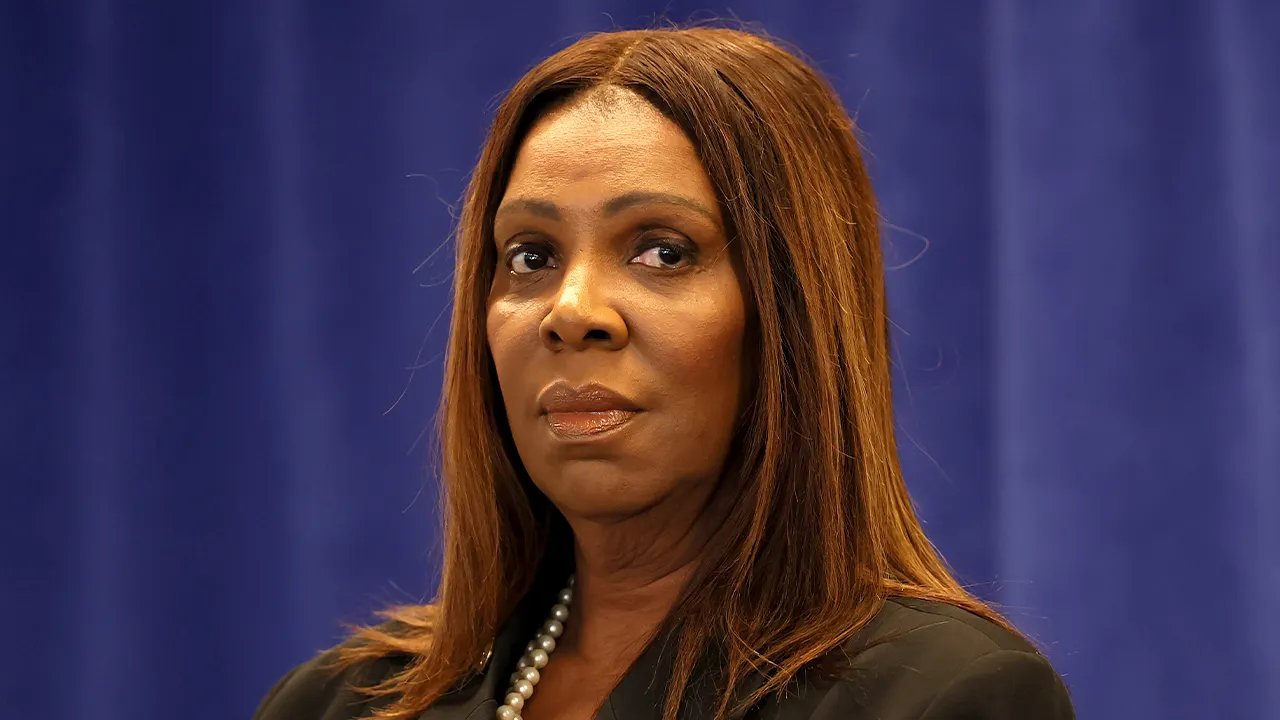
Recognizing the profound injustice of this systemic exclusion, New York Attorney General Letitia James and New Jersey Attorney General Jennifer Davenport have officially joined forces to initiate a sweeping, high-stakes investigation into FIFA’s highly controversial ticketing practices. This unprecedented legal intervention, which has seen both attorneys general dispatch subpoenas to the international federation, represents a critical line in the sand drawn by public servants who refuse to stand by while their constituents are financially exploited. The joint probe is specifically designed to peel back the opaque layers of FIFA’s ticket distribution system, focusing heavily on a disturbing array of consumer complaints ranging from misleading seating charts that obscure actual pitch views to the deliberate inflation of prices through artificial means. In a stinging and direct public statement that captured the widespread frustration of millions, Attorney General Davenport did not hold back in her assessment of the situation: “Being honest about ticket sales is not complicated. But FIFA has turned buying a ticket to the World Cup into a gauntlet of confusion, fake scarcity, and impossibly high prices—all at the expense of consumers and hardworking New Jerseyans.” This action is not merely an administrative check on a massive sports organization; it is a vital act of advocacy aimed at protecting the public from deceptive marketing tactics, ensuring that international corporate entities are held to the same standards of transparency, fairness, and consumer protection as any local business operating within the tri-state area. By utilizing the full weight of their offices to demand internal communications and pricing algorithms, the attorneys general are attempting to expose a system engineered to manipulate human psychology. The subpoenas seek to uncover exactly how many tickets were actually made available to the general public versus how many were quietly funneled to corporate packages and secondary market scalpers, a practice that artificially suppresses supply to force desperate fans into paying astronomically high sums on the resale market.
To understand the outrage driving this investigation, one must look closely at the modern ticket purchasing experience, which has mutated into an algorithmic nightmare designed to maximize anxiety. When the window for World Cup ticket sales opened, hopeful supporters were thrust into incredibly slow virtual queues, waiting for hours on end behind hundreds of thousands of automated bots and professional scalpers. When they finally managed to bypass the digital waiting rooms, they were met with a baffling and deceptive architecture of “dynamic pricing,” where the cost of a single seat fluctuated wildly by the second based on artificial demand metrics, rapidly climbing past the thousand-dollar mark for standard, upper-tier seats. Compounding this financial barrier was a dizzying lack of transparency regarding the physical location of the seats on offer; countless fans reported being presented with vague, highly misleading stadium maps that masked poorly obstructed views, essentially forcing them to gamble huge sums of money on seats where they might not even be able to see the pitch clearly. This calculated strategy of “fake scarcity” relies on creating a high-pressure environment where consumers feel forced to make split-second, emotionally driven purchasing decisions under the constant, artificial threat that tickets are about to sell out completely. It is a psychologically manipulative ecosystem that treats passionate human beings not as valued members of a global sporting community, but as data points to be optimized and squeezed for every possible cent, stripping away the joy of preparation and replacing it with a profound sense of exploitation. This predatory model has become standard for live entertainment, but applying it to the World Cup locked out the authentic fanbase—the very people who create the vibrant atmosphere that makes the tournament a global phenomenon—in favor of a wealthy elite who view the matches merely as corporate networking opportunities or a status symbol of wealth.
The sheer absurdity of these exorbitant ticket prices has managed to achieve something incredibly rare in today’s highly polarized cultural landscape: a genuine, widespread bipartisan consensus of boiling outrage. The mounting public frustration has bypassed traditional political divisions, drawing sharp criticism from voices across the entire political spectrum, including former President Donald Trump, who publicly voiced his own disbelief regarding the astronomical financial barrier to entry. When confronted with the reality that standard ticket prices for the tournament were routinely rumored to be soaring well north of $1,000, Trump expressed absolute surprise, stating flatly, “I did not know that number. I would certainly like to be there, but I wouldn’t pay it either, to be honest with you.” This candid admission from a self-proclaimed billionaire and prominent public figure serves as a stark, powerful illustration of just how disconnected FIFA’s pricing structure has become from ordinary human reality. When even the wealthiest and most influential figures publicly declare that they find the costs to be prohibitive, it underscores a deeper, systemic rot in the way global athletic events are commercialized. This rare cross-partisan alignment highlights a collective, societal exhaustion with the unchecked inflation of live events, sending a clear and undeniable message that the public is no longer willing to tolerate the commodification of culture and community by monopolistic sports cartels. This widespread political condemnation reflects a broader realization that the ticketing ecosystem is profoundly broken, representing a massive shift of wealth from regular citizens to sports syndicates. This requires decisive legislative and judicial intervention to protect the consumer rights of everyday people who simply want to enjoy their cultural heritage and witness world-class athletic feats without facing immediate financial ruin.
The crisis feels particularly personal and offensive to the local communities surrounding MetLife Stadium in East Rutherford, New Jersey, where several key World Cup games—including the grand final match on July 19—are scheduled to take place. For the hardworking residents of New Jersey and New York, hosting the World Cup was supposed to be a momentous point of local pride, a chance to welcome the world to their vibrant, diverse communities and share in the unparalleled excitement of the tournament. Instead, these local families are being forced to bear the massive everyday burdens of hosting such a colossal event—including severe traffic gridlock, heavily strained public transportation networks, increased local tax expenditures for security and infrastructure, and general logistical chaos—while being fundamentally locked out of the stadium itself due to the prohibitive pricing. There is a painful irony where a child growing up just blocks away from MetLife Stadium, who falls asleep listening to the distant roars of the crowd, has absolutely zero hope of ever stepping foot inside that stadium to watch a game because the tickets cost more than their family’s monthly rent. By choosing to host the games in public stadiums, which are heavily subsidized and supported by the tax dollars and labor of local communities, while simultaneously pricing those very communities out of attendance, FIFA is engaging in a form of parasitic economic exploitation that extracts local wealth and goodwill while offering nothing but exclusion and inconvenience in return. Public stadiums like MetLife are maintained using taxpayer funds, meaning local citizens have a legitimate stake in these events. This probe by James and Davenport is an essential defense of community voices, asserting that public infrastructure should remain accessible to the public rather than serving as a highly fortified profit center for foreign corporate interests.
As the June 11 kickoff approaches, this joint investigation by Letitia James and Jennifer Davenport carries weight that extends far beyond the immediate context of the 2026 World Cup. This legal struggle is a critical, defining moment in the broader, ongoing global battle to reclaim live music, sports, and cultural events from the predatory clutches of monopolistic ticketing platforms and greedy athletic federations. It is a powerful demand for a return to decency, transparency, and human-centric values in an industry that has long treated fans as legacy cash crops to be harvested. By challenging FIFA’s deceptive practices, New York and New Jersey are setting a vital, progressive legal precedent that could pave the way for sweeping ticket reform bills across the United States, offering hope that future generations will not have to bankrupt themselves just to experience the magic of live performance. Soccer has always been, at its core, a game belonging to the people; its history is written in the dirt of neighborhood parks and the collective voices of passionate communities singing in unison. By fighting to tear down these artificial economic barriers, this investigation seeks to restore the true, democratic spirit of the beautiful game, ensuring that when the final whistle blows on July 19 at MetLife Stadium, the truly beautiful game remains a shared human treasure that belongs to everyone, regardless of the size of their bank account. Treating athletic excellence as exclusive to the wealthy erodes our cultural fabric. Live events are unique spaces where humans gather in solidarity. This joint legal action stands as a beacon of hope, reminding us that the law must protect our shared heritage and ensure that the beautiful game continues to inspire the hearts of the many, rather than just lining the pockets of the few.