


MLB’s September Slump Dilemma: Can Stars Recover Before October?
As the MLB postseason approaches, teams across the league find themselves confronting an uncomfortable reality: their star players are struggling at the worst possible time. Every franchise, from the clear World Series favorites to those desperately fighting for wild-card spots, is dealing with underperforming talent in some form. The central question now becomes whether these players can rediscover their form quickly enough to build meaningful momentum, or if their struggles have arrived too late in the season for any meaningful recovery. The pressure intensifies with each passing game, as the gap between regular-season performance and playoff success narrows dramatically. Baseball’s history is filled with cautionary tales of teams whose championship dreams crumbled because their key contributors went cold at the worst possible moment, and this year’s contenders are acutely aware of those precedents. The roster expansions that come with September provide some flexibility, but they cannot replace the production expected from established stars. For every team in contention, the next few weeks represent a delicate balancing act between giving struggling players enough time to work through their issues and recognizing when changes become necessary for the greater good of the postseason push.
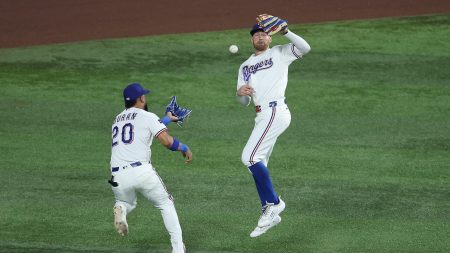
The Los Angeles Dodgers find themselves in an especially precarious position with Kyle Tucker, whose season-long struggles have reached concerning levels. Tucker currently holds the lowest OPS at home of any qualified MLB player, and his defensive play has suffered as well, with catchable fly balls slipping through his glove in consecutive series. The frustration became so pronounced that manager Dave Roberts felt compelled to give him a mental health day off. The Dodgers’ championship aspirations depend heavily on Tucker rediscovering at least some semblance of his former All-Star self, as they cannot afford to simply remove a player making sixty million dollars annually from their postseason plans. However, Mookie Betts represents an alternative focal point for the team’s hopes, as his recent hot stretch coincides directly with the team’s improved performance. When Betts hits well, the entire lineup seems to find its rhythm, and his ability to stabilize the offense might prove more valuable than any single player’s statistical contribution. The Dodgers’ success in October may ultimately depend less on any individual performance and more on how effectively they can create a cohesive offensive attack that doesn’t rely too heavily on any one player’s production.
Pete Crow-Armstrong of the Cubs has emerged as one of baseball’s most exciting young stars, and the evidence increasingly suggests his breakout is genuine rather than temporary. His production since June has been nothing short of spectacular, with OPS numbers exceeding one thousand in each of the past three months. What makes his performance particularly impressive is the dramatic improvement in his plate discipline, with his walk rate more than doubling from the previous season. This suggests he has made legitimate adjustments that should sustain his success rather than merely experiencing a fortunate hot streak. At only twenty-four years old, Crow-Armstrong combines elite defensive play in center field with the kind of offensive production that puts him in MVP conversations. While concerns about his propensity for chasing pitches exist, his recent numbers indicate he has addressed those weaknesses through dedicated work on his approach. If he can maintain even a portion of his current production level, he represents the kind of franchise cornerstone around which championship teams are built. The Cubs’ confidence in his abilities appears well-founded, and his continued development makes him one of the most compelling players to watch as the season reaches its climax.
The Boston Red Sox have positioned themselves as potential postseason threats, particularly with Adley Rutschman solidifying the catching position and Roman Anthony expected to return from injury. The combination of these two players could dramatically transform the lineup’s depth, transforming an offense that has been inconsistent into a more formidable unit. However, questions remain about whether the team’s overall composition can support a deep October run. Their pitching staff appears capable of keeping them competitive in short series, but the offense has shown troubling inconsistency throughout the season. Even with Anthony returning, expecting him to immediately produce at elite levels after an extended absence might be unrealistic. The Red Sox’s path to championship contention requires multiple players to perform at their best simultaneously, which is always a difficult proposition even for the most talented rosters. The team’s hopes rest on creating enough offensive firepower to compensate for whatever limitations exist elsewhere on the roster. If everything comes together perfectly, they have the pieces to make some noise, but the margin for error remains narrow.
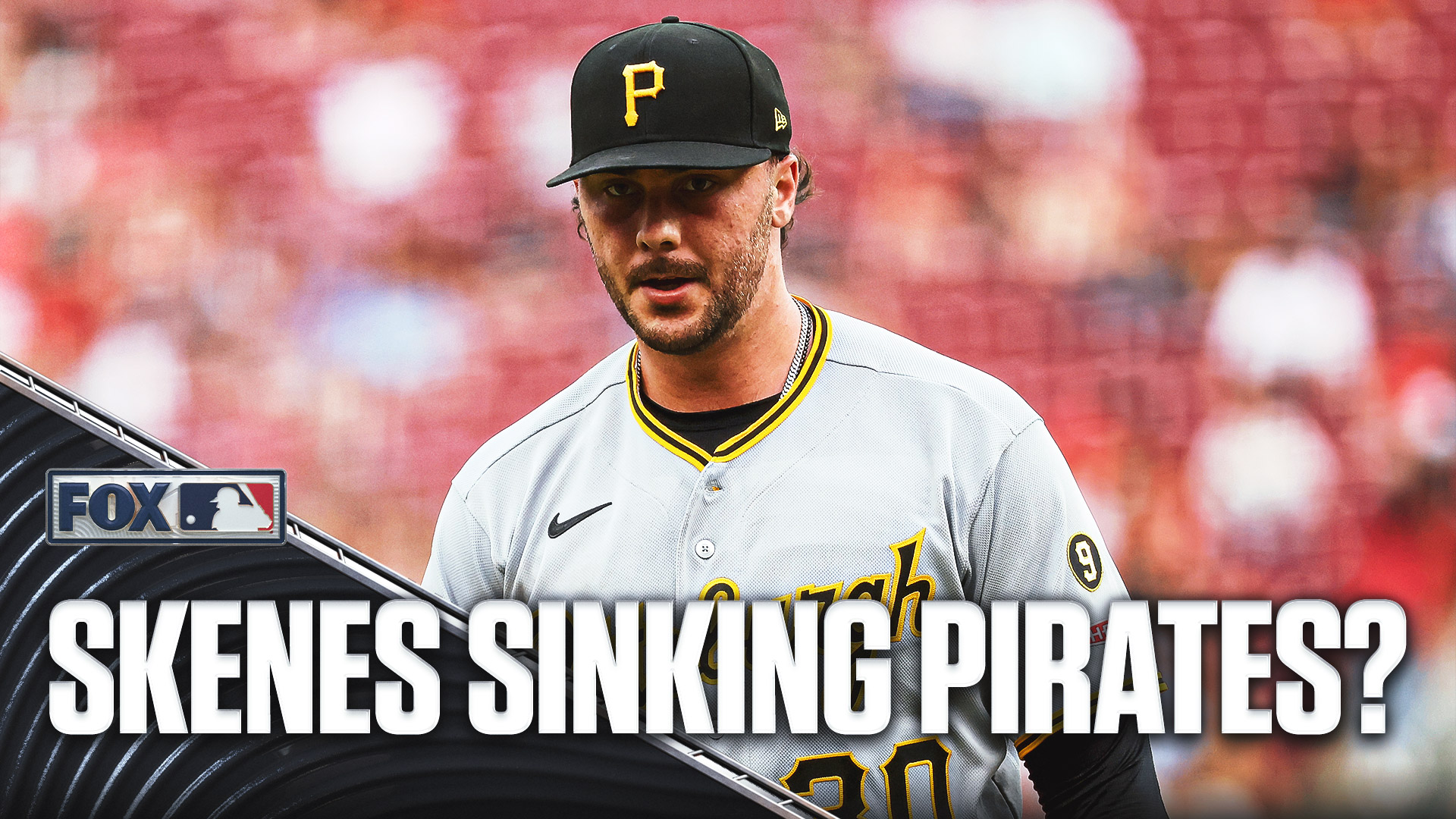
The Pittsburgh Pirates’ postseason hopes appear increasingly dim, with Paul Skenes’s dramatic decline representing the primary cause for their fading chances. His ERA has ballooned by nearly two full runs, and he has struggled to pitch beyond the fifth inning in recent starts. The concerns extend beyond mere statistics, as observers wonder whether an underlying injury might explain his diminished fastball velocity and overall ineffectiveness. The Pirates find themselves trailing multiple teams for the final wild-card spot, and their offense has also struggled since the All-Star break. Even with promising young pitchers like Braxton Ashcraft and Bubba Chandler showing signs of development, the team cannot compensate for their ace’s struggles while also dealing with offensive inconsistency. The return of Oneil Cruz provides some hope for improved production, but the mountain appears too steep to climb at this point. The organization’s decade-long playoff drought seems likely to continue, representing a frustrating conclusion to what initially appeared to be a promising season. The question now becomes whether the struggles represent temporary difficulties or longer-term concerns that will require significant organizational attention during the offseason.
The broader implications of these various struggles extend beyond individual teams to encompass the entire playoff picture. Baseball’s unpredictable nature means that any team that qualifies for October has a legitimate chance at winning it all, regardless of how they performed during the regular season’s final weeks. The teams that successfully manage their slumping stars while maintaining team chemistry will give themselves the best opportunity for success. Organizations must make difficult decisions about playing time, roster construction, and strategic approaches that balance short-term needs against long-term considerations. The most successful franchises understand that postseason success requires contributions from unexpected sources while also finding ways to help struggling stars rediscover their confidence. As the regular season concludes and the playoffs begin, the narrative will shift from concerns about individual performances to the collective effort required for championship success. The teams that emerge victorious will be those that best navigated these final challenging weeks while keeping their eyes fixed on the ultimate prize.