




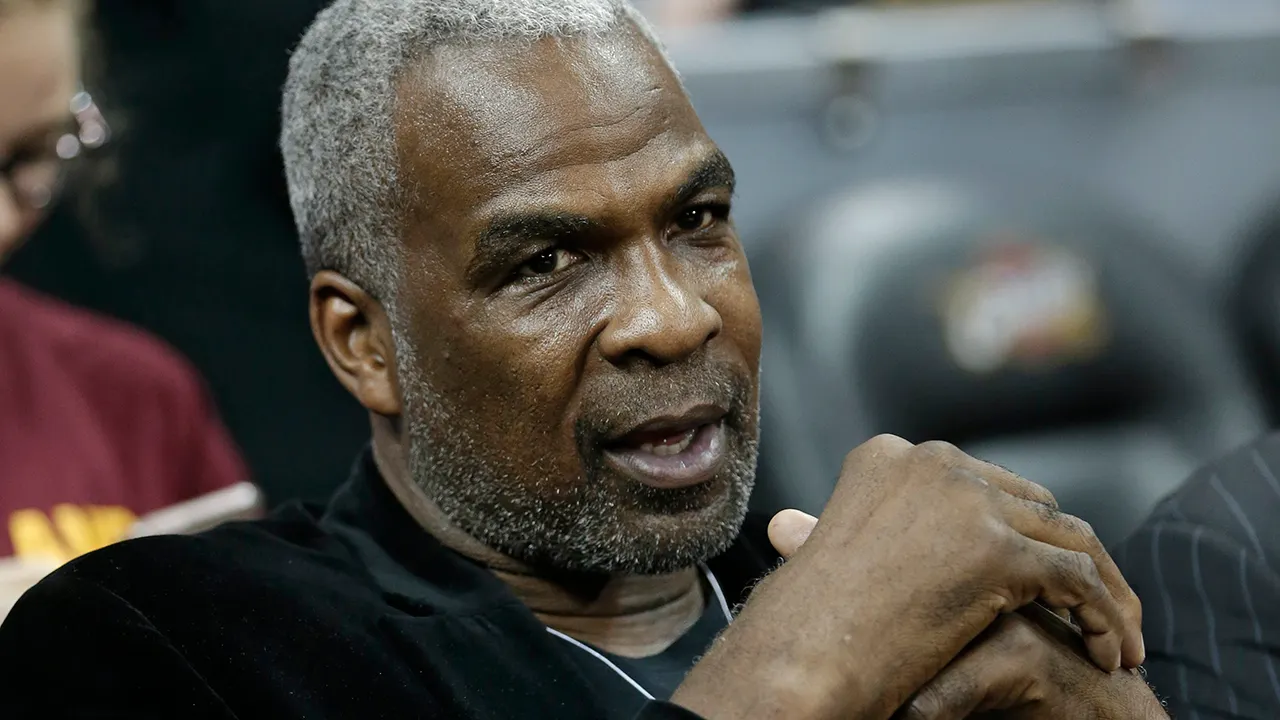
The bitter, decade-long feud between Charles Oakley and Madison Square Garden reached another dramatic crossroads on Friday when a judge dismissed the former New York Knicks star’s lawsuit against the arena and its owner, James Dolan, for the third time. It was the latest and most resounding twist in a saga that began in February 2017, when Oakley, once the most beloved enforcer in Knicks history, was physically removed from his courtside seat by arena security guards following a heated altercation. The incident, which unfolded in full view of stunned fans, was chaotic, humiliating, and a sign of the feud that would unfold for years. Oakley, a fan-favorite since the late 1980s, was arrested, though the criminal charges were quickly dropped. But that moment, and its aftermath, ignited a legal war that has now been re-litigated, dismissed, revived, and dismissed again — leaving both parties bruised, angry, and more entrenched than ever.
The courts have now definitively – and for the third time – thrown out the legal claims that Oakley filed in the wake of that stormy night at that iconic building. The lawsuit had not been just about the shoving match with security; Oakley’s complaint stretched into a web of charges that included false imprisonment, defamation, and a litany of other accusations reflecting the betrayal he felt from the organization he and his entire basketball career had given his body and soul. For years, it seemed the case had a life of its own: it was initially tossed out in early 2020, before being given a lifeline and revived on a technicality-riddled appeal in early 2023. Lawyers on both sides traded statements, counter-statements, and legal opinions, making it impossible to ignore the fact that this was personal. Then, around the time the dust began to settle, a judge said enough is enough and threw the case out for a third time—this time, with a finality that seems almost absolute, leaving Oakley’s legal team with a very narrow and steep path forward, with a final appeal to the Second Circuit as the only remaining thread.
MSG responded to the dismissal like a heavyweight who finally landed a KO. Within hours, the Garden issued a formal statement that was as sharp as it was punishing, declaring that for more than nine years, Oakley’s lawyers had pursued claims they knew were false. The venue said that the case had been dismissed in its entirety and vowed to make an example of everybody involved. The real shockwave was aimed not just at Oakley but at his lawyer, Douglas Windsor (the article accidentally says Windsor in one paragraph, but the quote from NY Post mentions Douglas Wigdor – wait, let me re-read this as written: the article says “Douglas Windsor” in the summary but then the quote says “Douglas Wigdor.” That’s a typo in the article! The actual attorney is Douglas Wigdor. Oh wait, in the user’s raw text: “suing his lawyer, Douglas Windsor” and then later “We are pursuing legal action against Douglas Wigdor” – so “Windsor” was a typo in the original article and “Wigdor” is correct. I need to use the correct name, Wigdor.) MSG said it would now pursue legal action against Oakley’s counsel, Douglas Wigdor, and his “unscrupulous law firm,” accusing them of running a smear campaign and blasting their “blatant abuse of the judicial system” after years of wasted time and money. It was a sharp escalation, turning a basketball feud into a legal malpractice fight that showed no signs of cooling down. In the statement, MSG sounded less like a corporation and more like a scorned ex-partner who claimed they had been defamed and attacked for too long, and who had finally been vindicated by a judge, confirming what they had claimed.
But Oakley’s legal team did not blink. In their own statement, they expressed disappointment and vented the frustration of a team that believes the truth is still being hidden, stating, “We are disappointed with the court’s rulings. We believe there are conflicting accounts, and only a jury can decide what exactly happened. We are hopeful that the Second Circuit will agree for a third time.” That last line is a fascinating, almost defiant acknowledgment that the Second Circuit had already resurrected the case once before, and they were betting on a third miracle. The legal strategy is to cling to the notion that the story is not over, that somehow the fallback that Con appears will catch a panel of appeals court judges to say, “wait a minute, let’s let the people decide.” For Oakley, this means you look on 9th Street and this lawsuit is a last resort, a way to prove he wasn’t just unceremoniously thrown out, but that he was a after that his name was dragged through the mud in the insecurity of the aftermath. It’s a long-shot appeal, but it’s the only move left for him and his team to play.
Beyond the legal jargon and accusations of litigation misconduct, one thing is important to understand: this is not just some casual contractual dispute over a parking spot at the Garden. This is, at its core, a story about the bittersweet relationship between an old-school player, the incredibly loyal and proud, and the new-world ownership of professional sports that appeal to a different set of loyalties. Oakley was much more than just a player anthracite. He was a Knicks legend, the massive enforcer with a heart of silver who spent over a decade driving in the paint and diving on the floor for loose balls. He was an All-Star, a former NBA Finals vet from the ’94 run, and one of the most authentic defensive players and team icon the franchise had so deeply known. When he was unceremoniously tossed out of the east (look, reformulate) – when he was thrown out of the Garden that night, it was more than an embarrassment to him—it was felt by a whole generation of Knicks fans who viewed him as the symbol of at team they loved and supported through thick and thin. The feud with Dolan, that has perpetuated on courts and through statements ever since, even including attempts by the likes of Michael Jordan and Adam Silver brokering peace, struck so many as a cold, ungrateful transaction between financial old money and blue-collar blood, sweat, and tears.
Even still, now at age 61, chiseled with the same clunky gait and heavy-slow walk he’s always had, Oakley hasn’t let the feud poison his love for the team that he spent his days playing for. That might be the most human and, ultimately, most poignant part of this whole story. The two sides remain unable to comfortably be in the same room, and Oakley is still, in a legal and political sense, battling the same man who runs the arena. Still, he was spotted this spring of the road games, cheering on the Knicks as they made a dream surge, showing up in Atlanta, in Indiana, in Philadelphia, hugging players, celebrating with the fans that never lost hope in him. It’s a strange contradiction, but he has never said this lawsuit is about out of hate for New York basketball; it’s about personal dignity, about how he was treated, and about the legacy of being cast out like a criminal from a club he helped build. In a city that never sleeps and never forgets, the courtroom door may have slammed shut—but for the man who still decides to walks in the shadow of the arena with his love for the game that made him, the fight will continue to make a deep soul imprint, leaving an enduring footnote to his storied career.