


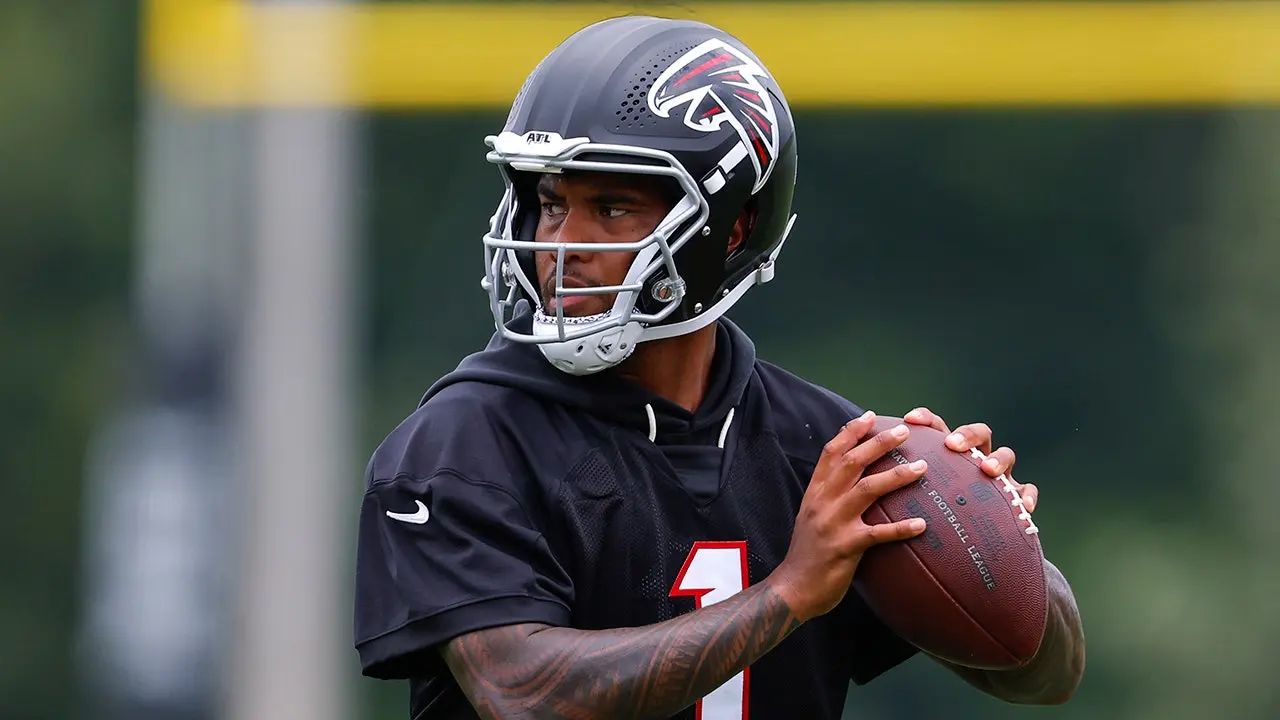
The atmosphere surrounding an NFL training camp is typically a vibrant, hyper-charged mixture of youthful optimism, freshly cut grass, and the heavy, humid heat of midsummer. Fans gather along the chain-link fences with jerseys on and marker pens ready, dreaming of deep playoff runs and championship trophies before a single meaningful snap has even been taken. However, for the Atlanta Falcons, that collective summer daydream was abruptly interrupted by a wave of cold anxiety before the whistle had even blown on their first full week of practice. In the high-stakes, multi-billion-dollar world of professional football, stability is the ultimate currency, yet the Falcons found their operations thrown into immediate disarray when newly acquired quarterback Tua Tagovailoa suffered a sudden physical setback. Brought to Atlanta during a dizzying, headline-grabbing offseason to compete for the starting signal-caller job, Tagovailoa was supposed to provide a dynamic spark to a franchise desperate for an elite offensive identity. Instead, onlookers and team officials were left staring in silence at the practice field as the star quarterback was sidelined, leaving a massive, unresolved question mark hanging over the entire organization. This unexpected development instantly transformed what was supposed to be a routine, developmental week of roster building into a high-pressure crisis of depth. It serves as a stark, humbling reminder of the fragile nature of NFL rosters, where a single physical tweak can instantly derail a franchise’s carefully laid plans before the team even straps on full pads.
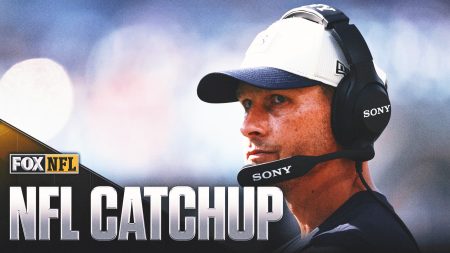
Stepping up to the media microphone to address the mounting concern of reporters and the wider fan base, the Falcons’ new head coach, Kevin Stefanski, worked hard to project an aura of calm, measured stability. Rather than offering a highly detailed diagnostic breakdown of what was ailing his prized offseason quarterback acquisition, Stefanski kept his cards close to his chest, informing the press that Tagovailoa had simply experienced a physical “flare-up” of an undisclosed, pre-existing issue. While NFL coaching staffs are notoriously tight-lipped during the summer months to protect their players’ medical privacy and maintain an edge over competitors, ESPN’s premier insider Adam Schefter soon shed light on the mystery, reporting that Tagovailoa was actually dealing with a severely tight back. To the average fan, a tight back might sound like a minor inconvenience, but in the violent, rotational world of professional quarterbacks, spinal health and core flexibility are the foundational pillars of throw velocity and mechanical consistency. Stefanski did his best to soothe the rising panic by publicly stating his belief that Tagovailoa would return to the turf “sooner rather than later,” a hopeful timeline that offers comfort but guarantees nothing in the highly volatile world of sports medicine. Until that return officially materializes, the coaching staff is forced to adapt their daily operations on the fly, designing alternative practice scripts that can keep the rest of the offensive unit progressing on schedule. For a head coach attempting to establish his leadership culture in a brand-new environment, managing this level of early-season adversity is the ultimate test of administrative poise, requiring a delicate balance between pushing for on-field execution and safeguarding the long-term health of his key players.
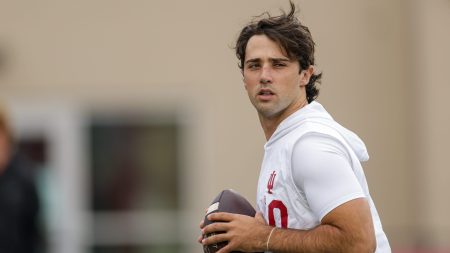
Compounding this medical drama is the highly anticipated recovery of rookie quarterback Michael Penix Jr., the dynamic young athlete drafted to compete alongside Tagovailoa but currently working his way back from a severe torn ACL sustained during his previous campaign. Penix, who possesses a level of emotional maturity and physical wisdom far beyond his years, is no stranger to the grueling, isolating road of athletic rehabilitation, having endured four separate season-ending injuries during his college career at Indiana before transferring to Washington to revitalize his football journey. This painful, extensive history with injury carts and surgical suites has given the young signal-caller a remarkably pragmatic, self-aware perspective on his physical limits, causing him to openly decline any temptation to rush his recovery. Though Penix has been spotted by media members participating in individual position drills and light seven-on-seven passing work, he has yet to receive medical clearance for the high-speed, unpredictable chaos of full team activities. He candidly expressed his methodical recovery philosophy to reporters, acknowledging that because this recovery represents his third career ACL tear, he refuses to take his physical well-being lightly or compromise his future for short-term visual gains in training camp. His disciplined, slow-and-steady approach, while frustrating for anxious fans eager to see the highly touted rookie unleash his legendary arm strength, represents the most logical strategy for a front office that has invested heavily in his potential to become the long-term face of the franchise. It creates a fascinating locker room dynamic where an established veteran fighting for his career and a young rookie taking the slow, disciplined path to healing must navigate the immense expectations of a demanding fan base.
With both Tagovailoa and Penix Jr. temporarily sidelined or severely restricted in their practice capabilities, the Falcons’ front office was forced to execute a series of rapid-fire roster moves that highlighted the pure urgency of NFL operations. In a decision that caught many analysts off guard, the team chose to release veteran quarterback Trevor Siemian, a move that briefly left the summer depth chart incredibly exposed at the game’s most critical position. Following Siemian’s departure and Tagovailoa’s sudden back issues, the team’s healthy quarterback room was temporarily reduced to just one active player: Jack Strand, an undrafted rookie free agent who suddenly went from trying to learn the basic terminology of the playbook to taking direct first-team snaps. Recognizing that asking an inexperienced, undrafted rookie to carry the entire immense workload of training camp practices was an unsustainable and dangerous risk, the front office moved swiftly to sign veteran backup Cooper Rush. Known across the league as a highly prepared, steady, and reliable safety net, Rush’s arrival provided an immediate insurance policy, giving Stefanski a trusted set of hands to facilitate team drills and keep the wide receivers active. This dramatic shuffling of the quarterback position emphasizes the brutal, highly transactional nature of professional football, where roster spots are continuously recycled to meet the shifting medical realities of the current week. For a veteran like Rush, this sudden signing represents a golden opportunity to prove his enduring value as a season-saving backup, while for the rookie Strand, it provided a brief, unforgettable taste of what it feels like to be the last healthy contributor standing in a professional quarterback room.
While the quarterback saga continues to dominate the daily headlines, the Falcons’ front office has also made massive, historical financial investments to ensure that whoever eventually wins the starting job will have elite perimeter playmakers to throw to. The most glaring proof of this aggressive team-building strategy came with the signing of star wide receiver Drake London to an astronomical $141 million contract extension, a lucrative deal that instantly catapulted him into the history books as the third highest-paid wideout in the entire NFL. This massive financial commitment is a clear, bold statement of intent from the team’s newly established administrative regime, which is operating under the watchful eye and strategic guidance of franchise legend Matt Ryan, who has returned to Atlanta in the powerful executive role of team president of football. Ryan, who spent over a decade executing plays under intense pressure on the field, understands exactly what it takes to guide this specific organization to the highest levels of competitive success in the modern NFL. By locking down a premier, physical weapon like London to a long-term contract, Ryan and the front office have built a high-powered, elite environment that should make the transition back to the field significantly smoother for either Tagovailoa or Penix Jr. once they are healthy. This aggressive combination of big-money player contracts and seasoned executive leadership shows that the Falcons are no longer content with slow, passive rebuilding phases, but are instead actively constructing a heavyweight contender designed to throw deep and compete immediately with the league’s elite.
Ultimately, the palpable urgency and high financial stakes surrounding this training camp are driven by a deep, collective desperation to escape the shadow of a prolonged playoff drought that has haunted the city of Atlanta for years. The Falcons have not secured a postseason berth, let alone managed to finish a season with a record at or above the elusive .500 mark, since the far-off days of 2017—the very last era when Matt Ryan was actively playing as the franchise’s premium under-center leader. This multi-year period of disappointment has tested the loyalty and patience of a highly passionate southern fan base that is starving for meaningful, high-stakes games in January and the electric, playoff atmosphere that once defined their home stadium. Head coach Kevin Stefanski is fully aware that the NFL does not hand out trophies for offseason hype or high-profile draft picks, and the pressure on his coaching staff to deliver immediate, tangible wins is multiplying with every passing day of the summer. The road back to division dominance is never a straight line, and this early-August quarterback injury crisis represents just the first of many physical and psychological obstacles this team will have to overcome to rewrite their narrative. Whether Tagovailoa’s back heals ahead of schedule, Penix’s patient, disciplined rehabilitation pays off in the long run, or Cooper Rush is forced to play the role of the steady savior, the ultimate mission remains completely unchanged: breaking the exhausting cycle of mediocrity and restoring the proud, winning tradition of Atlanta football.