

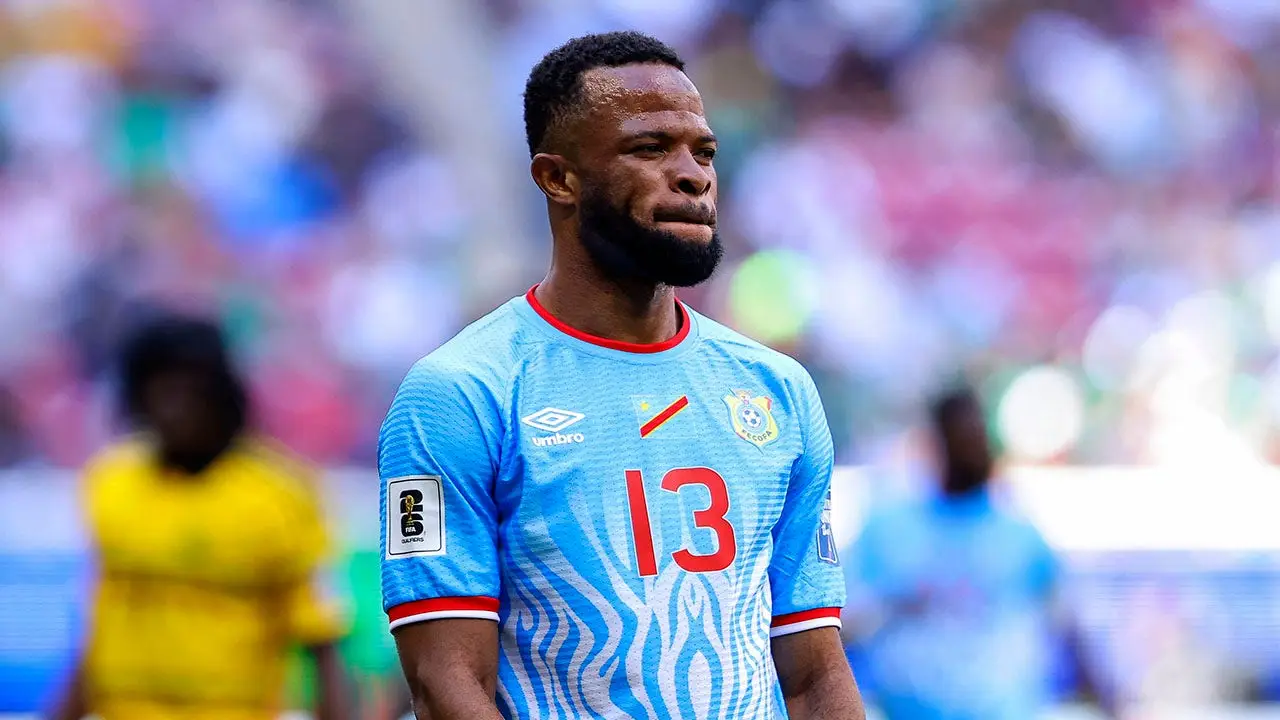
The beautiful game of soccer has historically possessed a unique, almost divine power to transcend localized hardships, uniting fractured nations under a single, triumphant banner of hope, perseverance, and athletic excellence. For the national soccer team of the Democratic Republic of Congo—affectionately supported by millions of passionate citizens—qualifying for the upcoming World Cup was imagined to be a crowning global achievement, a moment of pure, unadulterated national pride that would briefly overshadow the country’s complicated socioeconomic and political challenges. However, this sublime dream of stepping onto the world’s most prestigious sporting stage has suddenly and tragically collided with a terrifying biological reality. Back home in the heart of Africa, a sudden and deadly outbreak of the extremely rare Bundibugyo strain of the Ebola virus has taken a devastating hold, claiming the lives of more than 130 people and leaving nearly 600 others sick with suspected infections. This lethal pathogen has transformed what should have been a celebratory, high-energy pre-tournament victory lap into a tense, emotionally agonizing drama played out in sterile isolation. Currently stationed in Belgium for warm-up matches and intensive tactical camps, the Congolese squad finds itself physically distanced from the biological threat but deeply entangled in its far-reaching geopolitical fallout. The players must now carry not only the pressure of elite tactical preparations but also the heavy psychological worry for their families back home, all while knowing that their lifelong dreams of competing on American soil are hanging by a thread. This narrative is no longer just about formations on the pitch; it is a profound testament to human resilience in the shadow of epidemic tragedy, illustrating how the joyous realms of international sport can be instantly humbled by the raw, unpredictable forces of nature.
In direct response to the escalating biological threat, the United States government has adopted an incredibly stern, non-negotiable stance regarding public health and national border security, sending a crystalline warning to the Congolese delegation, FIFA, and the broader global community. Andrew Giuliani, serving in his high-profile role as the executive director of the White House Task Force for the World Cup, has publicly outlined the severe biosecurity protocols that the Congolese national team must flawlessly execute if they hope to cross United States borders. The directive is as clear as it is demanding: the entire Congolese team must establish and strictly maintain a rigorous, airtight “bubble” of isolation for 21 consecutive days—the absolute outer limit of the Ebola incubation period—before they can even be cleared to land in Houston on June 11. Giuliani’s public statements, delivered with the gravity typically reserved for national security crises, leave absolutely no room for interpretation; he has made it clear to both the Congolese government and its football federation that any breach of this protective envelope could result in immediate disqualification and denial of entry into the country. For elite athletes currently residing in Belgium, this means living under a regime of strict, monastic isolation that severely compromises their ability to train dynamically, engage with the public, or play essential warm-up matches. The logistical stress of maintaining such a protective bubble while trying to keep world-class athletes in peak psychological and physical condition is an unprecedented challenge, transforming their pre-World Cup preparations into a highly stressful waiting game where the slightest error could derail their entire tournament.
This hardline administrative position is not merely an isolated bureaucratic overreaction, but is deeply grounded in a series of sweeping health security directives recently established by the United States Centers for Disease Control and Prevention (CDC). Amidst growing international alarm over the virulence of the Bundibugyo outbreak, the CDC enacted a comprehensive, temporary preventive travel ban, barring all foreign nationals who have set foot in the Democratic Republic of Congo, Uganda, or South Sudan within the past three weeks from entering the United States for a 30-day period. The extreme severity of the Ebola virus, infamous for its high mortality rates and harrowing clinical presentation, has mobilized global epidemiological networks, leading to extraordinary protective measures such as the CDC closely monitoring two American doctors who had been quarantined in Europe after potential exposures to the virus. To guarantee total compliance and assure the American public of their safety, Giuliani indicated that the task force has seriously discussed sending its own medical and administrative personnel directly to the team’s training camps in Belgium to physically audit the integrity of the Congolese isolation bubble. This unprecedented level of international surveillance highlights the direct friction between athletic diplomacy and biological defense, where elite soccer players are suddenly analyzed through the lens of epidemiological containment rather than athletic performance. The global soccer community watches this dynamic unfold with bated breath, recognizing that this crisis is a stark reminder of the delicate balance modern societies must maintain between welcoming the world for a global festival and defending their domestic borders from exotic infectious diseases.
The immediate human cost of these highly clinical, legalistic measures was felt most heavily on the streets of Kinshasa and inside the hearts of the team’s passionate base of soccer fans. Historically, a Congolese World Cup campaign is defined by vibrant, chaotic, and deeply emotional public send-offs, where tens of thousands of devoted supporters gather to sing victory anthems, offer spiritual blessings, and physically embrace their sporting heroes before they embark on journeying to the world stage. However, caught in the grip of both the domestic epidemic and the rigid United States quarantine mandates, the Congolese football federation was left with no choice but to abruptly cancel a planned farewell gathering and completely scrap a scheduled three-day domestic training camp. This sudden cancellation of their farewell was a devastating emotional blow to both the citizenry—who desperately needed a celebration amidst a deadly health crisis—and the players, who were denied the opportunity to draw strength from the kinetic energy of their people. Locked away in their Belgian training facilities, the players must now navigate a profound sense of isolation, training in a quiet, sterile vacuum while constantly checking their phones for updates on the outbreak decimating their homeland. The psychological stamina required of these young men is immense; they must somehow compartmentalize the terror of a deadly plague back home, face the anxiety of constant physical monitoring by foreign sanitarians, and still attempt to execute high-intensity tactical drills, revealing the monumental, unseen sacrifices that are often demanded of international athletes during global crises.
Should the Congolese squad successfully preserve the integrity of their 21-day quarantine bubble and secure legal entry into North America, they will be thrown directly into the highly competitive crucible of World Cup Group K, where their match schedule is nothing short of punishing. Their highly anticipated tournament debut is set for June 17 in Houston, Texas, where they are scheduled to clash with Portugal—a physical and tactical powerhouse that demands an opponent be at the absolute peak of their physical and mental capabilities. From there, the team’s travel itinerary becomes a logistical nightmare as they must quickly fly to Guadalajara, Mexico, to face Colombia on June 23, before turning around to fly back into the United States to face Uzbekistan in Atlanta, Georgia, on June 27. Navigating such incredibly distinct geographic locations, varying altitudinal scales, and different time zones would be a massive physical challenge for any elite national team under normal circumstances, but for a team whose preparation of warm-up games has been completely disrupted by rigid bio-quarantines, it borders on the impossible. The stark, jarring contrast between the quiet, clinical isolation of their hotel in Belgium and the chaotic, high-intensity atmosphere of packed stadium stands in Houston and Atlanta will require a massive psychological adjustment. Every single flight, transit hub, and hotel transfer during this group stage will be heavily scrutinized, turning their World Cup journey into a high-stakes, stressful gauntlet where a single feverish symptom could instantly trigger emergency medical isolation and disqualify the entire team.
Ultimately, the complex and highly dramatic saga of the Congolese national soccer team serves as an extraordinarily powerful, profoundly humanizing case study of our deeply interconnected but inherently fragile modern globe. It illustrates with stark clarity that the artificial borders we draw, the financial investments we secure, and the games we play are all ultimately subservient to the uncompromising laws of human biology and global epidemiology, reminding us of our shared physical vulnerability. Yet, underneath the heavy bureaucratic maneuvers, the travel bans, and the biomedical surveillance lies an inspiring narrative about the truly unbreakable spirit of human athletes who are willing to endure severe emotional isolation, global scrutiny, and immense personal anxiety just for the fleeting honor of representing their homeland on the world stage. When the eleven players wearing the Congolese colors finally stride out onto the pitch in Houston, they will be representing far more than a sporting squad; they will carry the quiet resilience of a nation fighting a deadly viral pathogen, the quiet grief of a canceled home send-off, and the hard-won victory of human willpower over administrative locks. Their presence at the World Cup will stand as a magnificent monument to human endurance, proving that even when faced with quarantine bubbles, public fear, and unprecedented logistical hurdles, the pursuit of greatness and the unifying joy of sports can still triumph. As millions of eyes watch them play, they will see not just a physical athletic competition, but a vivid celebration of life and determination, demonstrating that the human heart has the capacity to outlast any quarantine and rise above any crisis.