


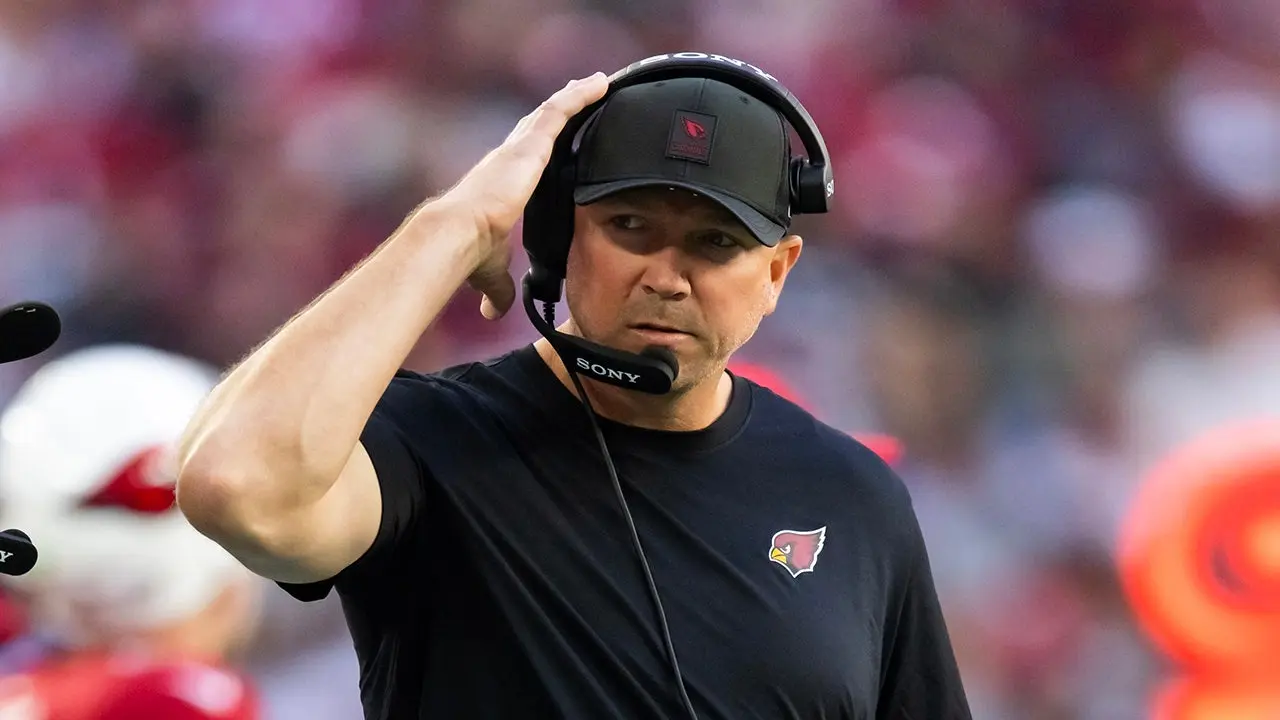
The relentless and unforgiving ecosystem of the National Football League possesses a unique ability to dismantle a hard-earned professional legacy in the blink of an eye, a sobering reality that former tight ends coach Ben Steele has unfortunately come to understand. Before he could even blow a single whistle, run his first meeting, or lead his position group through a single official regular-season practice, Steele’s highly anticipated tenure with the Washington Commanders came to a screeching halt. The organizational decision to sever ties with the veteran coach followed a troubling incident last month in Virginia, where law enforcement officers arrested him on charges of driving while intoxicated (DWI). According to emerging court records, the legal jeopardy for Steele expanded far beyond the initial drunk driving charge; he now stands accused of refusing a blood or breath test, obstructing or resisting an officer without force, and failing to signal during a route change. In an era where franchise culture and corporate image are guarded with fierce, uncompromising vigilance, the Commanders’ front office, under the fresh stewardship of head coach Dan Quinn, wasted no time in executing damage control. Initially placing Steele on administrative leave upon learning of the arrest to gather the facts, the organization ultimately decided that the potential distraction was too great a liability to carry into a pivotal rebuilding year. They issued a blunt, public statement via their social media channels confirming they were parting ways with Steele, adding a cold, final administrative note that the franchise would offer no further comment at this time, highlighting the severe personal and professional cost of off-field misconduct in the high-stakes world of professional football.
For any NFL franchise, the weeks leading up to the official commencement of summer workouts represent a delicate period of meticulous planning, making the sudden loss of a key position coach an operational emergency. The Commanders were suddenly forced to navigate the chaos of an unexpected vacancy during the heat of mandatory minicamps, forcing other members of the coaching staff to absorb his duties in real-time. Fortunately, the organization had a legendary football mind waiting in the wings to help steady the ship: former All-Pro wide receiver Wes Welker, widely celebrated for his historic playing days with the New England Patriots and Denver Broncos, stepped forward to act as the interim tight ends coach during Steele’s leave. Welker’s command of the locker room and rich understanding of passing-game dynamics provided a crucial bridge for the players, ensuring that the offensive installation did not falter during a critical phase of the offseason. However, an interim solution is rarely sustainable for an entire grueling season, creating an urgent race against the clock for Quinn and his general manager to locate a permanent, qualified replacement. Insiders report that the team plans to formally unveil Steele’s successor tomorrow, a calculated move designed to integrate the new coach just twenty-four hours before players report for the grueling physical trials of training camp. This rapid-fire transition illustrates the mechanical, next-man-up mentality of the league, where personal crises must be quickly paved over to maintain the relentless forward momentum required to build a competitive football team.
To truly grasp the gravity of this sudden career derailment, one must examine the long, difficult road Steele traveled to establish himself as an NFL-caliber mentor in the first place. Long before he was patrolling the sidelines with a headset and a clipboard, Steele was a literal journeyman on the gridiron, fighting relentlessly for a roster spot during an era when the tight end position was transitioning into a primary offensive weapon. Between 2004 and 2006, he wore the colors of the Green Bay Packers and the Houston Texans, experiencing first-hand the physical toll and psychological anxiety of a bubble player trying to survive roster cuts in the most competitive league in the world. Prior to finding brief stability, his professional path was a whirlwind of transient opportunities, involving training camp appearances with the San Francisco 49ers, Oakland Raiders, Seattle Seahawks, and Minnesota Vikings. This rugged, nomadic experience gave Steele an invaluable perspective on the mental fortitude required to survive in the NFL, a trait that he successfully channeled into a second career when he transitioned to coaching. After grinding through the entry-level ranks of collegiate football, his break came in 2014 when the Tampa Bay Buccaneers hired him as an offensive quality control coach, a grueling, low-paying role that involves endless hours of video breakdown and administrative prep. Steele’s work ethic shone through, earning him a promotion to tight ends coach in 2017, proving his capability as a master teacher.
Steel’s early success in Tampa Bay became the launchpad for a highly respectable coaching career, leading to successive stints with various offenses including the Atlanta Falcons from 2019 to 2020, the Minnesota Vikings in 2021, and the Denver Broncos in 2022. It was his most recent three-year tenure with the Arizona Cardinals, however, that truly solidified his reputation as an elite developer of tight end talent. Under Steele’s direct guidance, former Colorado State standout Trey McBride put together a spectacular rise, transforming from a raw rookie into one of the most feared aerial weapons in the entire NFL. Under Steele’s oversight, McBride achieved back-to-back Pro Bowl selections, consistently shattering franchise records by racking up over 1,100 receiving yards in two consecutive seasons. This developmental masterclass culminated in a breathtaking 2025 campaign where McBride exploded for 1,239 receiving yards and 11 touchdowns—smashed career-highs that earned him prestigious First-Team All-Pro honors. The Washington Commanders had hoped to inject this exact brand of developmental magic into their own offense, recognizing that Steele’s ability to maximize a player’s physical traits could unlock a brand-new dimension for their young passing game. The loss of his teaching expertise is a significant blow to an offense trying to establish a modern, fast-paced identity, leaving a vacancy that requires not just a tactician, but a leader capable of building meaningful relationships.
With the coaching vacancy now heading toward a rapid resolution, the spotlight shifts squarely onto the shoulders of the athletes left behind in Washington’s tight end room, who must adapt to a new voice on the eve of the season. To revitalize an offense that struggled with consistency, the Commanders made a major splash in the free-agent market this offseason by signing dynamic former Tennessee Titans mismatch weapon Chig Okonkwo. Okonkwo’s high-end speed and natural run-after-catch abilities are expected to provide a crucial security blanket for the passing game, complementing the existing skill sets of holdovers John Bates and Ben Sinnott. Both Bates and Sinnott are highly motivated to rebound after a challenging, injury-riddled campaign that saw the tight end position underperform relative to expectations. This disappointment was a harsh reality check for a Washington franchise that had reached the NFC Championship Game just two seasons prior, a peak that now feels distant to a fan base desperately craving a return to postseason prominence. Rebuilding the tight end room into a versatile, dual-threat unit is a top priority for this coaching staff, as modern offenses rely heavily on tight ends to orchestrate favorable mismatches against heavy linebackers or small defensive backs. The incoming coach will face the daunting task of immediately building chemistry with these key targets, translating complex playbook schemes into fluid, split-second execution under the hot summer sun.
Ultimately, the trajectory of Washington’s offense, and indeed the entire franchise, resides in the hands of their prodigiously talented young quarterback, Jayden Daniels. Much of the Commanders’ disappointing 5-12 finish last season could be directly traced to a devastating injury to Daniels, which limited the dynamic signal-caller to a mere seven appearances and robbed the offense of its vertical threat. The organization is now hyper-focused on recapturing the magic of the 2024 season, a spectacular 12-5 campaign where a fully healthy Daniels dominated the competition on his way to earning the NFL Offensive Rookie of the Year award. With Daniels back under center and a revamped roster surrounding him, the front office recognizes that they cannot afford to let off-field distractions, such as the arrest and subsequent dismissal of Steele, disrupt their path back to the postseason. As players officially report to the team facilities this Wednesday, the collective mandate is clear: block out the noise, embrace the new coaching staff, and execute the game plan with cold, unwavering discipline. The unceremonious firing of Ben Steele serves as an early, sobering lesson for this rebuilt locker room, showing that the road to an NFL championship demands absolute accountability, and that talent alone is never enough to secure a place on a team destined for greatness.