






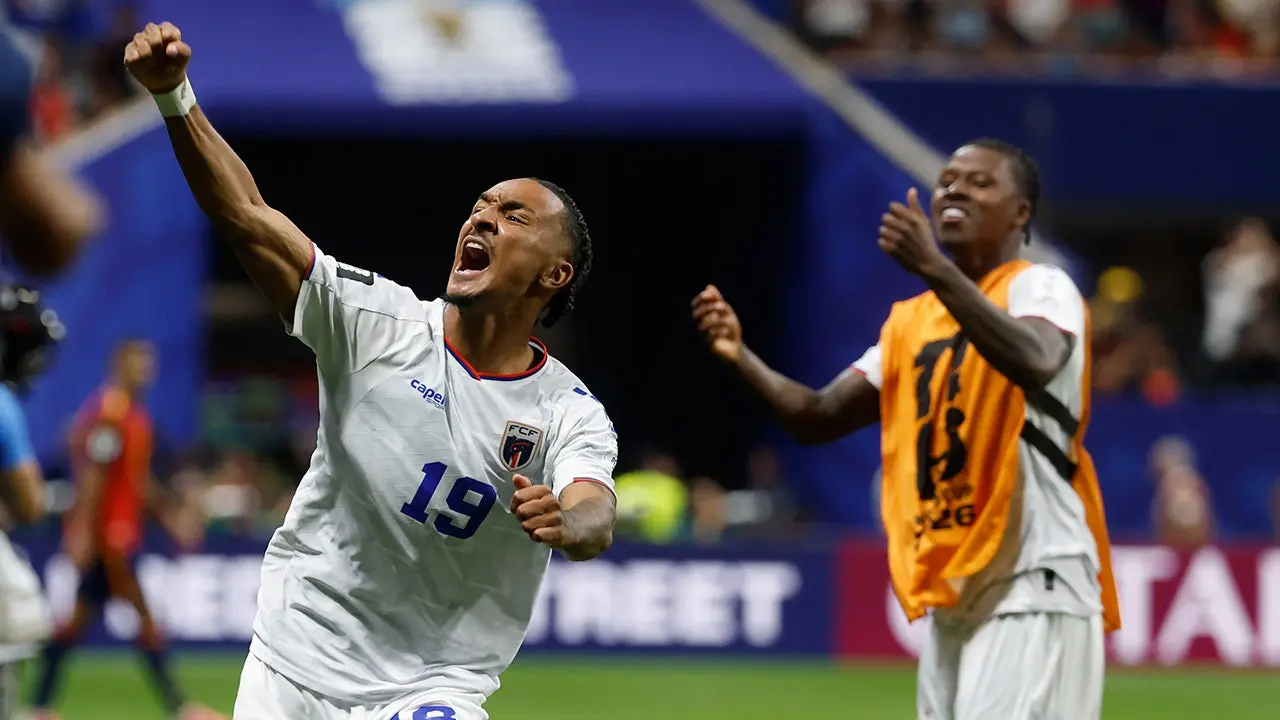
The FIFA World Cup has long been celebrated as the ultimate stage for football drama, a place where sporting Goliaths are occasionally brought to their knees by spirited Davids. This eternal narrative of the underdog found its latest, most breathtaking chapter in a historic Group H clash that pitted the global footballing superpower of Spain against the modest, volcanic archipelago of Cape Verde. With a population hovering just over 524,800 people, Cape Verde is a nation defined by its intimate community, its stunning Atlantic vistas, and a diaspora that carries the pride of the islands across the globe. When the final whistle blew, signaling a hard-fought 0-0 draw, the collective roar of joy that erupted from the streets of Praia to Lisbon, Boston, and beyond was nothing short of miraculous. For Spain, heavily favored to hoist the trophy and ranked second in the world, the match was a frustrating exercise in missed opportunities; for Cape Verde, making its very first World Cup appearance, this single point tasted sweeter than the grandest victory. It was a day when population size, historical pedigree, and financial might were rendered irrelevant by ninety minutes of pure, unyielding human spirit.
At the absolute center of this historic defensive masterclass was Cape Verde’s elder statesman, the 40-year-old goalkeeper affectionately known as Vozinha. In a young man’s game dominated by lightning-fast reflexes and youth academy prodigies, Vozinha stood as an unwavering sentinel, embodying the grit, wisdom, and resilience of his entire nation. Throughout the match, Spain unleashed a relentless onslaught, dominating possession and orchestrating wave after wave of attack that seemed destined to break the deadlock. Of the seven shots the Spanish side managed to fire directly on target, five came from the boot of the clinical and creative Mikel Oyarzabal, who tested Cape Verde’s backline with ruthless precision. Yet, time and again, Vozinha was there to answer the call, diving into the dirt, commanding his penalty area with vocal authority, and making crucial saves that defied both his age and the odds stacked against him. His performance was not merely a display of athletic capability, but a deeply moving showcase of mental fortitude, proving to the world that passion and experience can construct an impenetrable wall against even the most formidable opposition.
The mounting frustration on the Spanish bench was palpable as the minutes ticked away and their sophisticated, high-tempo passing game failed to yield a breakthrough. In a desperate bid to inject spark and unpredictability into their attacking frontline, Spain’s coaching staff turned to their bench, calling upon the teenage sensation Lamine Yamal. As one of the most exciting young talents in modern football, Yamal represents the glittering future of Spanish soccer, possessing a level of skill and vision that regularly dismantles the most organized defenses in Europe. Yet, even when the young prodigy stepped onto the pitch, bringing his signature flair and creativity, he found himself suffocated by a Cape Verdean defense that fought for every blade of grass as if their lives depended on it. The match beautifully highlighted the psychological weight of the World Cup: the immense, suffocating pressure of expectation bearing down on the Spanish stars, contrasted with the liberating, joyful defiance of a Cape Verde squad that had absolutely nothing to lose and everything to prove.
To truly appreciate the magnitude of this achievement, one must look at the long, arduous road Cape Verde traveled to reach this global stage. For centuries, the islands were a colony of Portugal, and when the World Cup first captured the global imagination, Cape Verdean players did not have a national team of their own to represent. Even after gaining independence, the journey to becoming a recognized member of the international football association was slow and fraught with obstacles, with the national team only beginning their quest to qualify for a World Cup in 2002. For over two decades, through heartbreaks and near-misses, the nation kept pushing forward, finally capturing their moment when the tournament field expanded to accommodate 48 nations. Entering the tournament ranked 67th in the FIFA global standings, Cape Verde was widely written off as a mere participant, temporary guests at a party hosted by giants; instead, they proved that their inclusion was entirely justified, changing the way commentators and fans perceive smaller soccer nations.
This incredible draw has dramatically complicated the landscape of Group H, turning what many pundits assumed would be a routine progression for Spain into a high-stakes tactical chess match. With both teams taking home a single, precious point, Spain now finds their path to the knockout rounds suddenly shrouded in uncertainty as they anxiously await the outcome of the impending matchup between Saudi Arabia and Uruguay. The Spanish squad, memories of their golden 2010 World Cup victory in South Africa casting a long shadow over their recent round-of-16 exits, must now quickly regroup, address their offensive inefficiencies, and rediscover their clinical edge. Cape Verde, conversely, leaves the stadium with their heads held high, armed with a vital point and a massive boost of confidence that makes them a dangerous wildcard for the remainder of the group stage. The tactical discipline, physical endurance, and emotional unity they displayed against Spain will undoubtedly serve as a blueprint for how they approach their upcoming fixtures.
Ultimately, this match was a beautiful reminder of why football is affectionately called the global game, serving as a powerful equalizer in an often unequal world. Beyond the cold statistics, the tactics, and the tournament points, the draw was a deeply human victory that transcended the sport itself, validating the dreams of young boys and girls playing on the dusty pitches of Mindelo and Praia. It showed that with unity, an unshakeable belief in one another, and a legendary goalkeeper standing tall at forty years old, any group of individuals can write their own destiny on the world stage. As Cape Verde prepares for its next challenge, they do so no longer as overawed newcomers, but as a respected, formidable side that forced one of the greatest footballing nations on earth to settle for a draw. This performance will be remembered for generations under the Atlantic sun, a shining testament to the fact that in the World Cup, the size of a country’s heart will always matter far more than the size of its population.