





In a move that has sent ripples through the Pacific Northwest’s vibrant biotechnology community, two ambitious Seattle-area startups have decided to join forces in a bid to dominate the rapidly expanding longevity and preventative health market. Viome Life Science, a diagnostic and wellness giant known for its at-home microbiome testing kits, has officially acquired Circulate Health, a boutique clinical operation specializing in a futuristic blood-cleansing procedure called therapeutic plasma exchange. While the terms of the deal remain a closely guarded secret, with insiders pegging the valuation somewhere between $15 million and $50 million, the strategic rationale is crystal clear: these two companies believe that the future of medicine isn’t just about treating disease, but about actively hacking the biological processes of aging itself. The merger is a bold bet that combines the power of advanced molecular diagnostics with the physical, real-world intervention of a medical “tune-up,” creating a comprehensive, full-spectrum approach to wellness that neither company could have achieved on its own. It’s a testament to the shifting zeitgeist where the boundaries between medical science, consumer tech, and vanity are blurring into a lucrative single industry focused on one question: how much longer can we live, and how good can we feel while doing it?
Viome brings to the partnership a decade of pioneering work in understanding the human body through the lens of RNA and the microbiome. The company has built a loyal consumer base through its direct-to-consumer test kits, which allow people to collect saliva, blood, and stool samples from the comfort of their own homes and ship them off to their state-of-the-art lab for analysis. But this isn’t just about giving customers a gut-health report card; Viome has turned this data into a personalized wellness ecosystem. Based on the unique molecular signatures found in your samples, the company formulates bespoke supplements, functional foods, and oral care products designed to address imbalances at their root. Beyond the consumer wellness realm, Viome has developed clinical-grade diagnostic tools that detect diseases at their earliest, most treatable stages. Their most impressive feat is a test that uses RNA biomarker analysis to spot the early onset of oral and throat cancers, a diagnostic that has earned the FDA’s “breakthrough device designation,” signaling its potential to dramatically alter the landscape of cancer screening. With roughly $250 million raised from investors since its inception a decade ago, Viome has positioned itself not just as a supplement company, but as a serious biotech player seeking to redefine how we monitor our internal health landscapes.
On the other side of the deal, Circulate Health brings a distinctly more interventional approach to the table, one that feels like it’s straight out of a science fiction novel. Circulate operates a network of sleek health and longevity clinics staffed by specialized, highly trained nurses who administer therapeutic plasma exchange. For the uninitiated, this procedure involves drawing a patient’s blood, running it through a machine that separates the plasma from the cellular components, and then discarding that plasma—which carries with it a host of inflammatory markers, metabolic waste, and even microplastics that accumulate over time—before returning the cleansed blood back into the body alongside a fresh, protective protein replacement solution. It’s essentially a high-tech oil change for your circulatory system, designed to reset the body’s internal environment to a more youthful, less inflamed state. Circulate emerged from stealth mode in early 2024 and quickly established a presence in 40 clinics across the United States, as well as outposts in the United Kingdom and the Bahamas, raising $14 million along the way. The service has developed a cult following among a certain class of tech executives and “biohackers” who view this deep cleanse as the ultimate luxury health retreat, a way to physically scrub away the years before they manifest as chronic disease or cognitive decline.
With the ink drying on the acquisition, the two companies have moved swiftly to integrate their operations and leadership teams, creating a new powerhouse entity designed to tackle chronic disease and aging from every conceivable angle. Dr. Brad Younggren, who co-founded Circulate and served as its CEO, has been appointed president of the newly formed clinical division, aptly named “Viome Pro.” This new group will serve as the apex of the combined company, integrating Viome’s advanced diagnostic capabilities—including the revolutionary cancer detection tools—with Circulate’s cutting-edge plasma exchange therapies. The move brings together a roster of 115 full-time employees, with 10 additional consultants, and crucially, most of Circulate’s clinical staff have kept their jobs, ensuring continuity of care for existing patients. The financial firepower and clinical reach are truly formidable. While Circulate had relationships with 40 clinics, the integration with Viome’s existing network of partner clinics across the wellness and longevity space expands their potential footprint to nearly 400 sites worldwide. This explosive growth allows the newly merged entity to offer a continuum of care: a patient can now take a Viome blood test at home, receive a personalized set of recommendations, and then travel to a partnering clinic to physically flush out the biomarkers flagged as problematic, effectively closing the loop between data and action.
However, for all the excitement and commercial potential, the medical establishment is watching this merger with a degree of measured skepticism, if not outright concern. Both segments of the industry—microbiome testing and therapeutic plasma exchange—have long been the subject of intense debate regarding the validity of their health claims. While the microbiome health market is booming, researchers have frequently criticized these kit companies for a lack of rigorous, peer-reviewed scientific validation and for dramatically overpromising the insights a simple fecal sample can provide. Similarly, while plasma exchange is a medically established treatment for serious conditions like Guillain-Barre syndrome, severe myasthenia gravis, certain cases of multiple sclerosis, and sickle cell disease, its use as a longevity hack for healthy individuals rests on much shakier scientific footing. The companies are quick to point to their own research, including a 2025 study published in Aging Cell which suggested that repeated plasma exchange treatments could reduce biological age, and a 2026 study in the Journal of Clinical Apheresis that demonstrated a reduction in blood microplastics. External experts, however, remain cautious, noting that these initial studies are small, short-term, and fail to demonstrate that the perceived benefits translate to actual, long-term clinical outcomes or a meaningful extension of healthy lifespan. The “biohacking” culture that embraces these services often operates in a gray zone where anecdotal success stories and expensive therapies outpace the hard data.
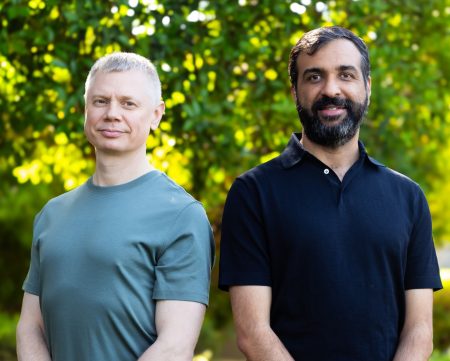
When we dig beneath the business jargon and the technical details of RNA sequencing and apheresis machines, the human story of this merger emerges as a powerful narrative about our collective fear of mortality and our relentless desire to cheat time. Dr. Younggren expresses genuine enthusiasm about the synergy of the deal, stating, “We want to build the largest network in the world for plasma exchange to answer questions, to figure things out. We’re adding new diagnostics. We’re looking at different kinds of biomarkers and diagnostics in the chronic disease space.” This vision is shared by Viome’s co-founder and CEO, Naveen Jain, a serial entrepreneur known for his grandiose ambition and willingness to take massive risks in pursuit of a future where aging is treated as a treatable condition. The promise of Viome Pro is compelling: a world where we don’t just wait for a disease to appear and then fight it, but rather use a continuous feedback loop of high-tech diagnostics and targeted physical interventions to keep our bodies functioning optimally indefinitely. For the patient sitting in a Circulate chair, watching their plasma slowly drain into a translucent bag and feeling the cool saline solution return, the experience is visceral and powerful. It offers a tangible sense of agency—a feeling of actively doing something monumental for your health, backed by a company that seems to have an answer for every biological consequence of modern living, even if the ultimate proof of its effectiveness remains a promise for tomorrow rather than a fact of today.