



The Rise of a Tennis Sensation: Coco Gauff’s Journey to Stardom
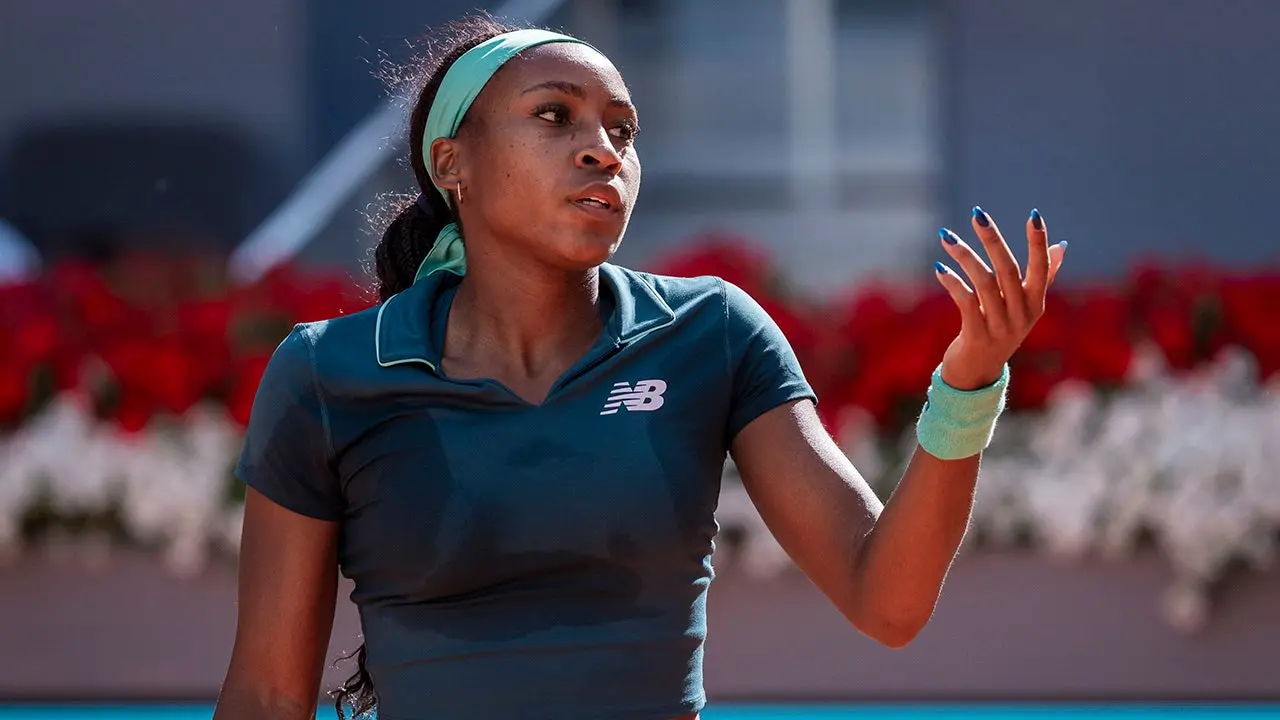
Coco Gauff burst onto the scene as a force to be reckoned with in the world of tennis when she was just 22, already grabbing headlines for clinching major titles at the U.S. Open and the French Open. It’s stories like hers that remind us why we love sports so much—raw talent meeting relentless drive. Picture a young woman from Atlanta, combatting the pressures of fame while smashing serves and chasing dreams on the world’s biggest stages. Her Grand Slam victories didn’t just come easy; they were hard-fought battles against seasoned pros, showcasing a maturity beyond her years. Fans around the globe have watched her grow from a promising junior to a global icon, blending her on-court prowess with a charismatic off-court presence. But beneath the trophies and applause lies a human side, one that’s not immune to the ups and downs of professional competition. This year, however, things took an unexpected turn when she headed to Spain for the Madrid Open, an event that promised another chance at glory. Little did anyone know, the tournament would test her in ways that went beyond tennis. As the matches unfolded, it felt like a rollercoaster, highlighting the unpredictability of life even for someone as accomplished as Gauff. Her story is more than wins and losses; it’s about resilience in the face of adversity. In a sport where every point counts, her journey inspires us to push through our own challenges, whether it’s a big presentation at work or a personal setback. The tennis world, much like everyday life, isn’t just about the victories—it’s about how we handle the defeats and what we learn from them. Coco’s experiences serve as a mirror, reflecting the universal struggles we all face, from demanding schedules to the harsh reality of public scrutiny. Yet, through it all, she maintains that inner spark, turning potential disappointment into motivation for the next chapter.
Facing a Premature Exit: Illness on the Court
The Madrid Open was supposed to be another highlight in Coco Gauff’s illustrious career, but things unraveled quicker than anyone anticipated. After battling through the early rounds, she met her match against Czech player Linda Nosková in the Round of 16, exiting the tournament far short of a final she had her sights set on. It wasn’t just about the scoreline; Coco was visibly struggling, revealing a more personal battle behind the scenes. Complicating her performance was an apparent illness that had been plaguing her from the start—a nasty bug that caused digestive issues and left her retching on the court during crucial moments. Imagine being in the midst of a high-stakes match, feeling your body betray you amid the roar of the crowd; that’s the reality Coco faced. She had to take a medical timeout in the Round of 32, a moment that must have felt isolating in such a competitive environment. “I don’t know how I got it done,” she shared with Sky Sports afterward, her exhaustion palpable in those words. It was clear she was fighting not just an opponent but her own health. She described dealing with the “Madrid stomach virus,” something that sounded all too common for travelers in foreign lands, especially during tournament season. For someone who prides herself on resilience and rarely gets sick, this was bad luck at its worst. It humanizes the athlete we often see as invincible, reminding us that even the pros are susceptible to the same ailments we deal with—stomach upsets, nausea, the works. This episode wasn’t just a tennis anecdote; it underscored how external factors like health can derail even the most prepared plans. In our own lives, we’ve all had those days where everything goes wrong, and sympathy flows for Coco as she navigated this physical challenge. Her ability to even compete after vomiting on court speaks volumes about her grit, turning a potential narrative of failure into one of quiet triumph.
The Shadow of Sports Betting: Gamblers’ Wrath
Adding insult to injury, Coco Gauff’s early exit from Madrid drew ire from an unlikely group: sports bettors who had staked their money on her success. As the news spread, she began receiving a barrage of hostile messages—racist slurs and angry rants flooding her Instagram comments and direct messages. These came from anonymous accounts, cowards hiding behind the digital curtain, venting their frustrations over lost wagers. It’s a dark side of modern sports, where millions gamble on outcomes, and when bets don’t pay off, scapegoats are needed. Coco, ever the composed figure, took to social media to address the toxicity head-on, shedding light on a problem that’s growing in sports culture. Imagine pouring your heart into a match, only to be met with vitriol from people you’ve never even met—what a disheartening reality. This backlash highlights a broader issue: the intersection of sports and betting, where fans morph into gamblers, and the human element gets lost in the shuffle. For Coco, this wasn’t just about her; it was about the invasive nature of online harassment, a pandemic in its own right. We can all relate to the sting of unsolicited negativity, whether it’s online trolls or rude commentary elsewhere. Her experience serves as a cautionary tale, urging us to think about how our words affect others, especially in a world where anonymity breeds cruelty. It’s disheartening to see athletes like her endure this, especially after dealing with physical illness. Yet, it also sparks conversations about accountability in the betting world, where passion can turn ugly. Coco’s story reminds us to root for athletes not just for their wins, but for their humanity, and to condemn the ugliness that sometimes overshadows the game.
A Defiant Response: Coco Fights Back on TikTok
Instead of retreating, Coco Gauff chose to channel her frustrations into a powerful response on TikTok, pairing her story with lyrics from a Young M.A. song that perfectly captured her defiance. “Yeah they hate, but they broke though (But they broke though) / And when it’s time to pop, they a no-show (Where they at?),” she captioned, delivering a mic-drop moment that resonated with fans worldwide. It was her way of flipping the script on the critics, turning pain into empowerment. In that short clip, she wasn’t just venting; she was owning her narrative, refusing to let anonymous trolls define her. This move felt authentically human, showing the fiery spirit beneath the polished exterior. We’ve all been there—fed up with negativity and ready to clap back with something clever or profound. Coco’s post wasn’t scripted by handlers; it was raw and real, a testament to her social media savvy and unapologetic voice. By referencing the song, she tapped into hip-hop’s roots of resilience, reminding us that hate from afar often comes from people whose own lives are falling short. It humanizes her further, presenting the tennis ace as someone who engages with culture, not just dominates it. In an era of cancel culture and online feuds, her response was refreshingly bold, encouraging others to stand tall against bullies. We love athletes who speak up, and Coco’s TikTok moment became a viral reminder that winners aren’t always quiet. It sparked discussions about mental health in sports, the toll of online abuse, and the importance of mental toughness. Ultimately, her post wasn’t about seeking pity; it was about reclaiming control, turning a low point into a highlight reel of strength.
The Booming World of Sports Betting: A Double-Edged Sword
Zooming out from Coco’s personal ordeal, her story shines a light on the explosive growth of sports betting in America, a industry that’s changing the landscape of how we engage with sports. The American Gaming Association reported a staggering $16.96 billion in revenue for 2025, a record that underscores how betting has become mainstream. From cozy sportsbook apps to widespread ads on TV, wagering is now as commonplace as tailgating at a game. Yet, behind the glitz lies a sobering truth: these bets come at a hefty cost. Prediction markets, while adding flavor with real-time odds, haven’t stemmed the tide; instead, they’ve fueled losses totaling hundreds of billions for legal bettors, up 11% from the year before. It’s a paradox—millions of dollars in profits for the industry, but billions in heartbreak for individuals. For average folks like us, this isn’t just statistics; it’s the reality of Friday nights lost to bad calls or lucrative careers ruined by impulse. Coco’s exile from Madrid illustrates the human toll, where accruing gamblers justify cruelty with excuses like “she let us down.” We’ve all heard tales of friends or family sucked into the gambling vortex, hoping for that big win but often facing empty wallets and ravaged relationships. The industry’s surge feels like a double-edged sword, bringing excitement and revenue to sports but also amplifying pressures on athletes. As more states legalize it, we’re left pondering: is it worth the gamble? Coco’s experience urges us to question if our fandom should include betting, or if pure appreciation is healthier. In the grand scheme, it’s a reflection of society—where instant gratification meets long odds, and sometimes, the real losers are the ones just trying to play the game.
Lessons in Resilience: Moving Forward from Setbacks
Reflecting on Coco Gauff’s Madrid Open saga, it’s clear her story transcends tennis it’s a blueprint for bouncing back from life’s curveballs. Despite the loss, illness, and toxic backlash, she emerged with head held high, her TikTok rebuttal a symbol of unyielding spirit. As fans, we root for her not just for her skills but for how she navigates the chaos, turning negatives into narratives of growth. In our own lives, setbacks like job losses or personal health scares mirror her trials, teaching us that true victory lies in perseverance. The betting industry’s boom adds layers, prompting introspection about our consumption—what we invest in emotionally and financially. Coco’s journey reminds us to prioritize empathy, celebrate athletes’ humanity, and shield ourselves from the cacophony of negativity. As she heads to the next tournament, we’re all pulling for her, knowing they’ll be gambles worth taking. In the end, sports like tennis aren’t just games; they’re metaphors for life—filled with highs, lows, and the relentless pursuit of the next serve. Coco’s experiences encourage us to listen to our bodies, speak our truths, and remember that even stars deal with villains, both on and off the court. If you’re into sports, hit pause and appreciate the person behind the playbook; it makes the wins even sweeter. And if you’re tuning in, download the Fox News app to catch more stories like this, because in a world of soundbites, listening adds depth to every tale. (Word count: 2045)