


1. The Golden Pulse of CONCACAF: A Tournament Reimagined
There is something uniquely electric about the Gold Cup. It is not just another trophy in the crowded soccer calendar; it is a celebration of a region where passion for the game runs deep, where every tackle carries the weight of national pride, and where the roar of the crowd can feel like a living, breathing force. For decades, this tournament has been the stage for unforgettable moments between bitter rivals, rising underdogs, and aging legends looking for one last taste of glory. It is where the United States and Mexico renew their fierce, beautiful rivalry. It is where smaller nations from the Caribbean and Central America dream of toppling the giants of the region. And now, after years of a familiar rhythm, the tournament is about to change the very shape of that dream. CONCACAF, the governing body for soccer in North and Central America and the Caribbean, announced on Thursday that the Gold Cup will abandon its longtime structure of four groups of four teams and adopt a bold new two-group format. Instead of a cramped, fast-paced group stage where a single bad result can send a team home early, the next edition will place all sixteen competing nations into just two groups of eight teams each. The top four from each group will then advance to the knockout rounds, guaranteeing every team at least four matches and giving fans twice as many chances to feel the thrill of victory and the agony of defeat. It is a shift that promises to reshape the tournament from the opening whistle to the final, and for anyone who has ever sat on the edge of their seat watching a last-minute equalizer, this new structure feels like an invitation to dream a little bigger.
2. From Four Corners to Two Battlegrounds: How the Format Changes Everything
To understand what this change really means, it helps to look back at how the Gold Cup used to work. For years, the tournament brought together sixteen national teams and divided them into four groups of four, creating a compact and sometimes chaotic group stage. The top two teams from each group advanced to the quarterfinals, while the rest packed their bags and headed home after just three games. That structure had its merits, of course. It made every group match feel vital, especially the final round, when teams knew they needed a result to survive. But it also meant that a slow start could be fatal. A loss in the opening match could force a team into a desperate, must-win scenario just to have any hope of progressing. The new format flips that anxiety on its head. By splitting the sixteen teams into two groups of eight, CONCACAF is giving everyone more room to breathe, but also more work to do. With the top four from each group advancing to the quarterfinals, teams can afford a stumble here and there, but they cannot afford to be complacent. The group stage becomes a marathon rather than a sprint, a test of depth, squad rotation, and mental endurance. Every match genuinely matters, not only because the standings are tight but because the margin between first and fourth place could determine whether you face a favorite or a more forgiving opponent in the knockout round. For the players, this means more minutes on the field, more chances to prove themselves, and more opportunities to grow into the tournament. For coaches, it means balancing ambition with caution, knowing that a long tournament rewards those who manage their squad wisely. And for fans, it means more soccer, more drama, and more chances to fall in love with a player they had never heard of before the tournament began.
3. A Leader’s Vision: Why This Change Feels Personal
The announcement came with a statement from CONCACAF president Victor Montagliani, and his words were chosen carefully. “We are really excited about what this new format will bring to the tournament’s group stage,” he said. “Every match will matter, with teams facing a balanced mix of opponents and competing for a place in the knockout rounds.” There is something refreshing about that kind of directness. Montagliani is not hiding behind corporate jargon or vague promises; he is speaking like a fan who understands what makes tournaments special. He knows that the group stage is where memories are made, where underdogs earn their stripes, and where the seeds of a championship run are planted. He also knows that a balanced mix of opponents is important. In the old format, a team could get lucky with a soft group, coast through to the knockout stage, and then struggle when they finally faced a top-tier side. The new structure makes it harder to hide. With eight teams in a group, you are going to face a little bit of everything: strong favorites, tricky middle-tier sides, and ambitious underdogs who have nothing to lose. That kind of variety does not just make the tournament fairer; it makes it more compelling. It forces teams to adapt, to show different sides of their game, and to earn their place in the latter stages. Montagliani’s excitement feels genuine because this is not just a logistical tweak. It is a philosophical shift, a statement that the Gold Cup wants to be bigger, better, and more unpredictable than ever before. He is betting that fans will embrace the longer group stage, and if the history of soccer has taught us anything, it is that fans almost always embrace more football.
4. Marking the Calendar: Dates, Draws, and the Road to the Final
The next Gold Cup will also bring a new rhythm to the summer calendar. The tournament is scheduled to kick off on June 17, 2027, and will conclude with the final on July 11, 2027. That is nearly a full month of soccer, with the group stage taking up most of the time before the intensity of the knockout rounds takes over. For players, this means a serious commitment in the middle of the summer, but for fans, it means a summer soundtrack of anthems, flags, and last-minute goals. The draw for the tournament will take place on April 8, giving everyone a chance to map out the road ahead and start dreaming about potential matchups long before the first ball is kicked. The United States is expected to host at least some of the matches, which adds another layer of excitement. American soccer has grown by leaps and bounds over the past decade, and the Gold Cup has always had a special place in the hearts of American supporters. There is something about watching your national team play on home soil, in front of friends, family, and fellow fans, that elevates the experience beyond the scoreline. Add to that the fact that the 2026 World Cup will have already taken place in North America just a year before, and the 2027 Gold Cup starts to feel like part of a larger golden era for soccer in the region. The infrastructure will be there, the enthusiasm will be there, and now the format will be there to make the most of it. It is a chance for CONCACAF to show the world that this region knows how to put on a show, not just with big stadiums and bright lights, but with competitive, meaningful matches that keep everyone glued to their seats from start to finish.
5. The Road to the Gold Cup: Qualifiers, Guest Nations, and a Recent Memory That Still Stings
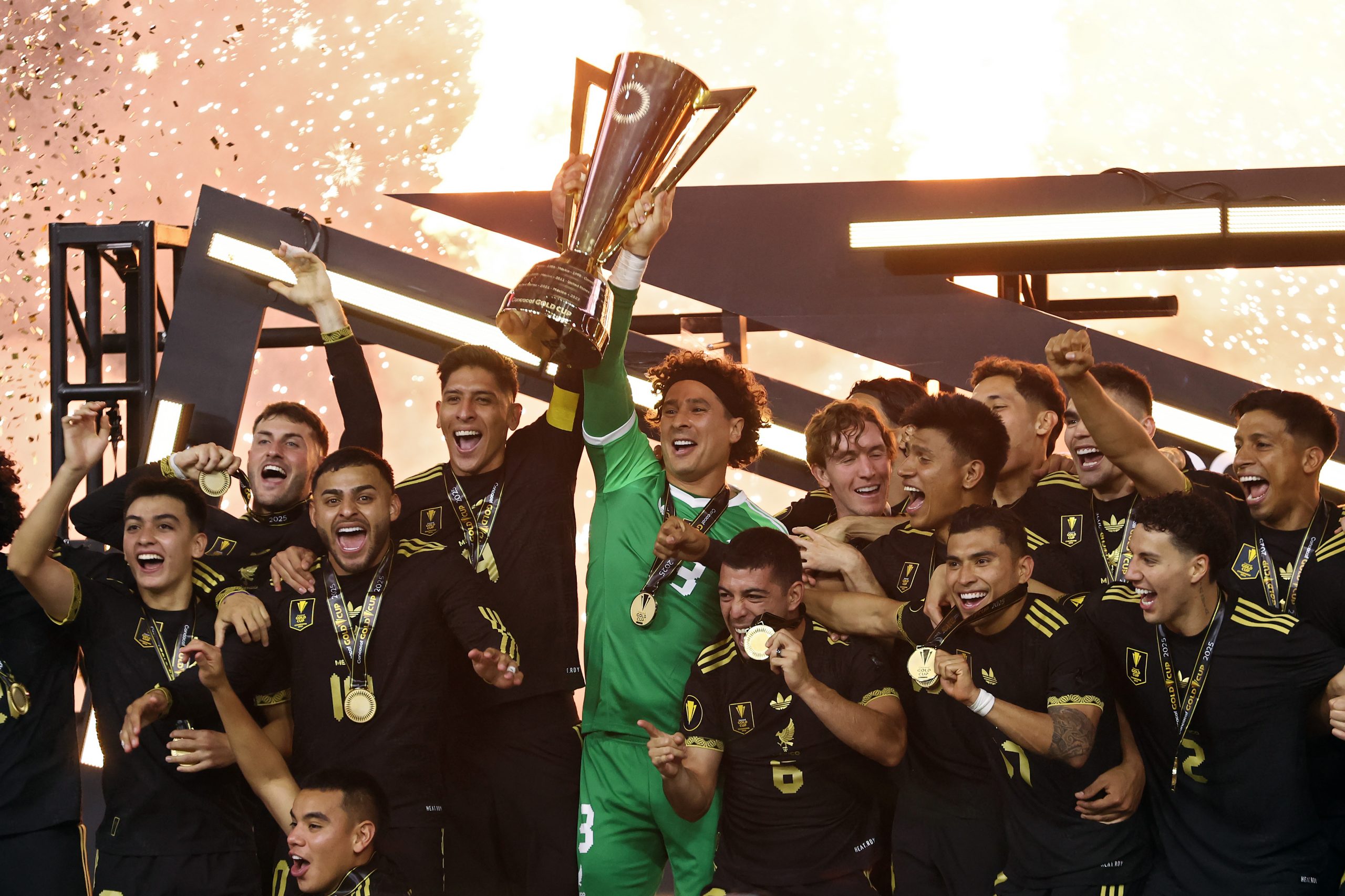
Before any team can lift the trophy, they will have to earn their place in the tournament. The 2027 Gold Cup will feature fifteen countries from the region that qualify through the Nations League, a competition that has already become a vital part of the soccer calendar. That means the path to the Gold Cup will be paved with intense, high-stakes matches long before the tournament itself begins. It also means that every nation, big or small, has a reason to believe. The Nations League was designed to make international soccer more meaningful, and its connection to the Gold Cup strengthens that vision. In addition to the fifteen qualifiers, the tournament will once again welcome a guest nation from outside the region: Saudi Arabia. This is not a new idea. Guest nations have been a part of the Gold Cup for years, bringing a different flavor and a different style of play to the tournament. For Saudi Arabia, it is an opportunity to test themselves against some of the best teams in the Americas, and for CONCACAF, it is a chance to broaden the tournament’s appeal and build bridges with other footballing cultures. The inclusion of a guest team always adds a layer of intrigue, because you never quite know what to expect. They are not playing for regional bragging rights; they are playing for the simple, universal love of competition. And speaking of competition, anyone who watched the 2025 Gold Cup final will remember how thrilling this tournament can be. Mexico defeated the United States men’s national team 2-1 in Houston, a result that was celebrated with fireworks in Mexico and met with quiet heartbreak in the United States. That match was a reminder that the Gold Cup is not just a warm-up for bigger things; it is a serious tournament with serious consequences. The rivalry between these two nations runs deep, and every meeting feels like a chapter in a long, unfinished story. The new format will only add more chapters, more drama, and more chances for redemption.
6. More Than a Format: The Human Side of a Changing Tournament
In the end, the decision to change the Gold Cup format is about so much more than brackets and points. It is about the people who make the tournament what it is: the players who wear their nation’s colors with pride, the coaches who stay up late analyzing opponents, the fans who travel thousands of miles to sing and shout and cry with joy, and the families watching from living rooms across the region, teaching their children the names of players who will become heroes. A longer group stage means more time for those stories to unfold. It means a young player from a small country gets more opportunities to show the world what he can do. It means a veteran captain gets more chances to lead his teammates through tough moments. It means a rivalry that was simmering in June could boil over in July. The beauty of soccer is that it is never just about tactics or statistics; it is about emotion, identity, and the unbreakable bond between a team and its people. The new Gold Cup format honors that by giving everyone more of what they love. It rewards resilience, celebrates depth, and makes every group-stage match a stepping stone on a longer journey. There will be surprises, of course. There always are. Some teams that were expected to dominate will stumble, and some underdogs will rise beyond anyone’s expectations. That is the magic of the tournament. And now, with two groups of eight and four knockout spots per group, that magic has room to breathe. The 2027 Gold Cup will be a tournament of endurance, ambition, and unforgettable moments. It will be a tournament where every match truly matters, not because the math says so, but because the heart says so. And when the final whistle blows on July 11, one team will lift the trophy, but everyone who watched will carry something home with them: a moment, a memory, a reminder of why we love this beautiful game.