






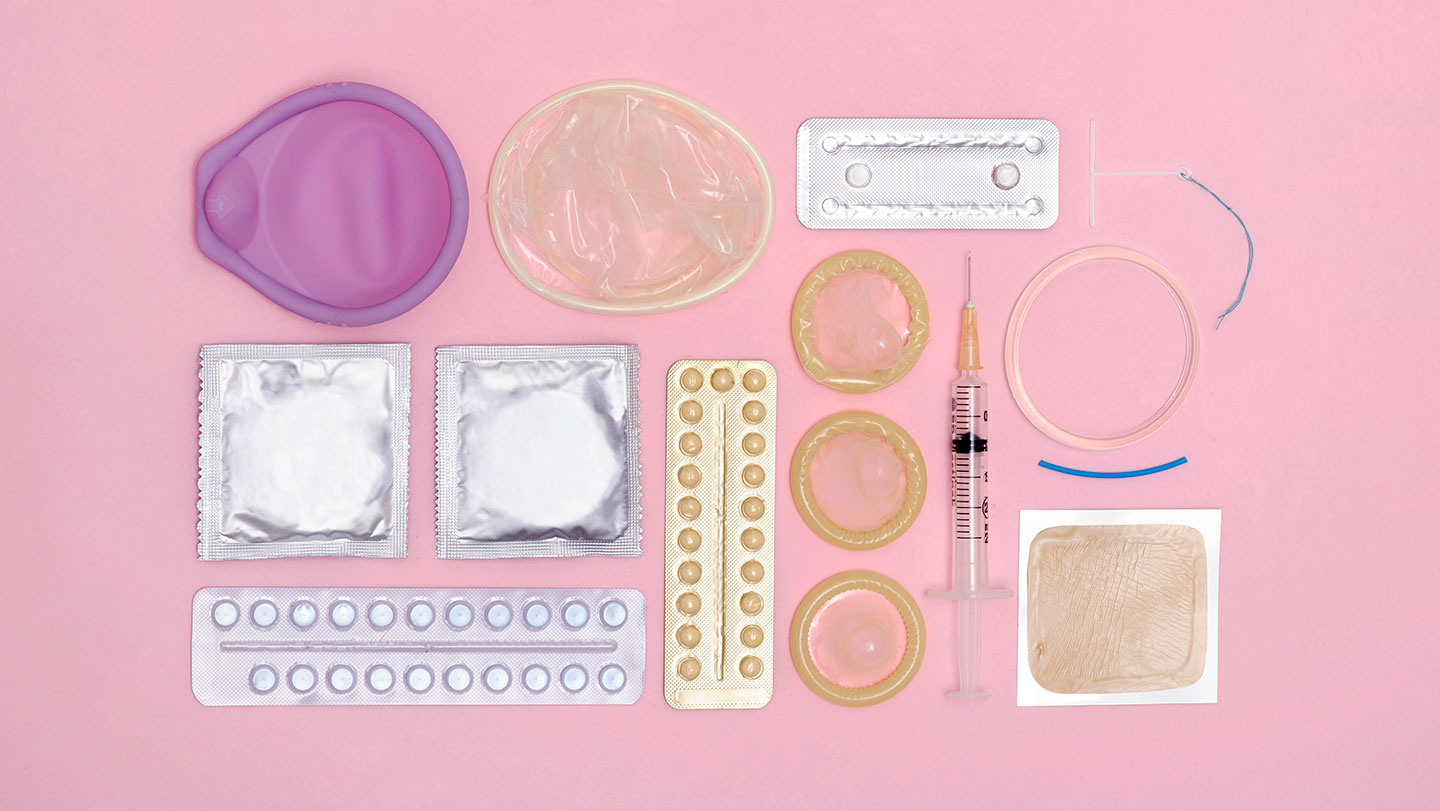
For years, the conventional wisdom in reproductive healthcare has dictated that long-acting reversible contraceptives, such as intrauterine devices (IUDs) and implants, are the gold standard for preventing unintended pregnancies. This belief was heavily reinforced by a landmark 2012 study, the Contraceptive CHOICE Project, which reported that user-controlled options like the pill, patch, or vaginal ring resulted in failure rates roughly twenty times higher than their long-acting counterparts. However, groundbreaking new research from the University of Utah is turning this paternalistic assumption on its head. The HER Salt Lake Contraceptive Initiative has demonstrated that when patients are given the autonomy to choose their preferred birth control method—and are backed by robust, barrier-free healthcare support—the gap in effectiveness between different contraceptives virtually disappears.
Published in JAMA Network Open, the HER Salt Lake study followed over 4,000 participants aged 16 to 45 who wished to avoid pregnancy for at least a year. To ensure the study reached those who face the steepest systemic hurdles, eligibility was focused on individuals with incomes below the federal poverty threshold. Participants were given their choice among seven reversible contraceptive methods: hormonal IUDs, copper IUDs, implants, injectable contraceptives, birth control pills, vaginal rings, and male condoms. Rather than pushing patients toward the most highly effective clinical options, healthcare providers prioritized person-centered contraceptive counseling, which focuses entirely on the patient’s individual lifestyle, values, and concerns—such as avoiding specific side effects or maintaining the ability to start and stop a method without a doctor’s visit.
Once patients selected their preferred method, the initiative ensured they received it immediately, alongside consistent support, refills, and the absolute freedom to switch or discontinue their birth control at any time. The results of this supportive approach were remarkable. Over the course of the three-year study, during which an impressive 82 percent of participants remained enrolled, researchers tracked how long people stuck with their selected method and documented any contraceptive failures. Out of thousands of participants, only 96 pregnancies occurred, revealing an incredibly narrow variation in success rates across almost all options. For every 100 users per year, the failure rate was an incredibly low 0.7 for hormonal IUDs, 0.8 for implants, 1.1 for copper IUDs and injectables, 1.4 for vaginal rings, and 1.6 for birth control pills. Even male condoms, though limited by a small sample size in the study, maintained a low failure rate of 2.6 per 100 users.
This newfound logic of choice and parity represents a massive shift from medical trends that often coerced or strongly pushed patients toward long-acting implants and IUDs. Reproductive health experts point out that the high failure rates historically associated with short-term methods are rarely the fault of the individual. Rather, they are the product of systemic barriers—the “small disruptions” of daily life that accumulate to create gaps in protection. For a low-income individual, missing a birth control pill or delaying a vaginal ring insertion is often not a matter of simple forgetfulness. Instead, it is driven by the inability to take unpaid time off from work, lack of reliable transportation to reach a pharmacy, unexpected out-of-pocket costs, or difficulty scheduling timely doctor appointments for refills. By removing these structural pain points from the equation, the HER Salt Lake initiative allowed user-driven methods to perform at their absolute highest potential.
For reproductive health equity advocates, this study provides vital ammunition against the savior-complex model of medicine. Historically, clinic guidelines have prioritized pregnancy prevention above all else, often ignoring the lived experiences of patients who might find the side effects of an IUD intolerable or feel uncomfortable with a device they cannot remove themselves. Person-centered counseling, by contrast, treats the patient as the expert of their own life. When doctors ask open-ended questions about what a patient actually wants out of their birth control, it fosters deep clinical trust. Patients who feel heard and respected are far more likely to communicate openly with their healthcare providers and seek timely help if they encounter side effects or decide they want to transition to a different contraceptive method.
Ultimately, the HER Salt Lake Contraceptive Initiative proves that patients do not have to compromise between a birth control method they like and one that works. When medicine respects human agency and dismantles basic barriers to access, the pill and the patch can be just as empowering and reliable as an IUD. This research serves as a reminder to the medical community that the most effective contraceptive is not simply the one with the highest theoretical laboratory rating, but rather the one that a person chooses for themselves, can easily access, and feels comfortable using in their daily life.