



For over four million years, a quiet but profound transformation unfolded across the wild landscapes of our ancestral home, written in the changing shape of the hominid skull. Our lineage’s brains underwent a spectacular, almost unimaginable expansion, swelling from a modest, chimpanzee-sized 300 grams to the complex, 1,500-gram marvels that define modern humanity today. For decades, the prevailing scientific narrative has attributed this monumental cognitive leap almost exclusively to the introduction of meat and, later, the mastery of fire, which allowed our ancestors to cook starches and unlock a treasury of easy energy. Yet, this classic story leaves a glaring gap in the timeline: much of this dramatic brain growth occurred long before early humans had ever tamed fire or learned to cook. This realization has led scientists to look closer at the ancient landscape, discovering that our profound intellectual journey may have actually been fueled by a simpler, sweeter, and deeply human craving—a primal love for ripe fruits and wild honey.
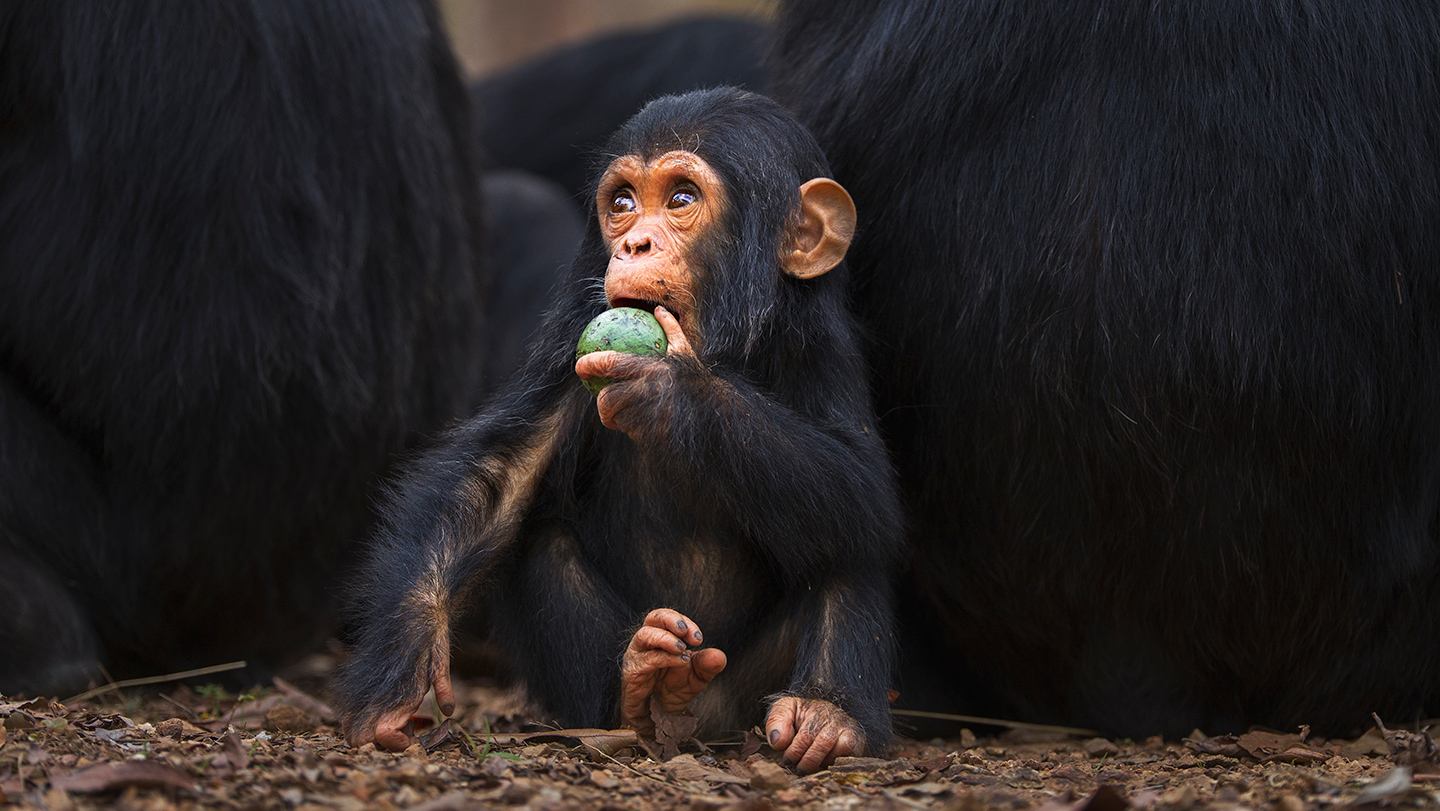
Long before the first cooking fires flickered in the dark, the dense forests and spreading savannas of Africa were home to a different kind of survival challenge, one that required a highly sophisticated mental GPS. Evolutionary biologists have long pointed out that finding ripe fruit in a vast, shifting wilderness is not a matter of luck; it is a rigorous cognitive exercise. A tree that provides a bounty of sweet, life-giving sugars one week might be bare the next, requiring an animal to remember not only the precise spatial locations of dozens of different plant species across a massive territory but also the delicate, seasonal rhythms of when those plants ripen. This “cognitive mapping” hypothesis suggests that the mental demands of fruit-eating acted as an evolutionary catalyst, selecting for individuals with larger brains, superior memories, and more complex spatial reasoning. In the high-stakes game of survival, a sharp mind was the ultimate tool for securing the quick, raw energy of simple carbohydrates, turning the hunt for sweetness into a driving force for intellectual growth.
This fascinating theory has found powerful new backing through the work of Jennie Brand-Miller, a human nutrition scientist at the University of Sydney, who set out to reconstruct the daily menus of our ancient ancestors. By meticulously analyzing existing data from fossils, tooth wear, metabolic rates, and modern primate physiology, Brand-Miller and her colleagues painted a vivid picture of the diets of chimpanzees, modern humans, and three distinct ancestral species spanning millions of years. Their findings revealed that our earliest, chimpanzee-like ancestors from four million years ago likely drew more than two-thirds of their daily energy directly from fruit, a dietary reliance that remained remarkably high even as the hominid brain began its steady, energy-hungry expansion. Physical evidence of this sweet tooth is still written in the ancient dust; fossilized teeth from early hominids, including Homo erectus, show clear signs of tooth decay, a telltale biological marker left behind by a lifetime of enjoying soft, sugary, and highly acidic foods.
Rather than dismissing the celebrated role of meat-eating in human history, this new research invites us to see our evolution as a rich, multi-layered tapestry where sugar and fat played complementary roles. As our ancestors transitioned into more open environments, they developed a diverse and highly creative portfolio of foraging strategies, which included cracking nutrient-dense nuts, grinding tough seeds, extracting fatty bone marrow, and hunting wild game. However, the energy demands of a growing brain are relentless—our brains consume a massive twenty percent of our resting metabolic energy, and they run almost exclusively on glucose. While animal fats and proteins provided the dense, long-term building blocks for physical growth, they are slow to break down, meaning that the immediate, rapidly absorbed sugars found in wild fruits and honeycombs provided the perfect, high-octane fuel to keep the brain’s fires burning during critical moments of development.
The fact that this sugar-fueled chapter of our history was overlooked for so long speaks volumes about the human side of science and the unconscious biases that researchers often carry into their work. Julie Lee-Thorp, an archaeologist at the University of Oxford, suggests that our modern cultural obsession with meat as a high-status, prestigious food may have inadvertently shaded our view of the ancient past, causing earlier generations of scientists to focus intensely on the drama of the hunt while ignoring the quiet, consistent work of gathering. The image of the heroic, spear-wielding hunter bringing home a mammoth has always dominated our collective imagination, but the reality of human survival was likely far more cooperative, domestic, and heavily reliant on the steady, reliable calories gathered by women and children collecting wild berries, digging up sweet roots, and braving bee stings to harvest wild honey.
Ultimately, this paradigm shift helps us appreciate our ancestors not merely as specialized hunters, but as the ultimate, versatile generalists of the natural world. As biological anthropologist Brian Wood of UCLA points out, the true hallmark of human dietary evolution is our unmatched cognitive capacity to adapt, learn, and harvest an incredibly wide array of high-quality, difficult-to-acquire foods from our environment. Our modern, global craving for sweets, which can sometimes feel like a health liability in an era of processed, synthetic sugars, is actually a beautiful, living inheritance from this ancient journey—a biological remnant of a time when the pursuit of sweetness was a vital act of survival. By looking back at the dawn of our species through this lens, we can see that our incredible minds were not just built on grit, muscle, and fire, but were gently coaxed into existence by the simple, joyful search for the sweetest things the wild earth had to offer.