


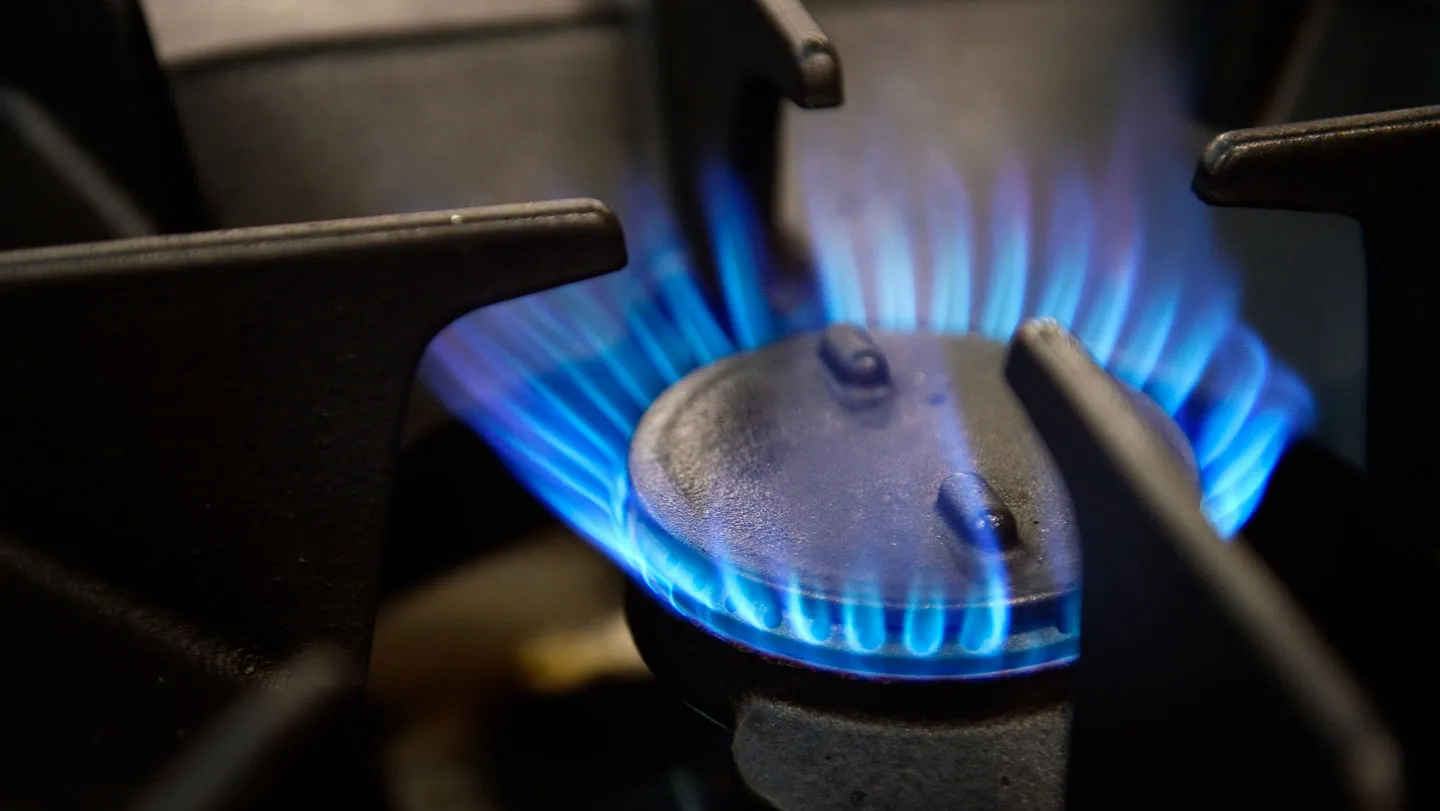
For anyone living with asthma, the simple act of cooking dinner could be making things worse without them even realizing it. That familiar blue flame of a gas stove, so loved by home cooks, comes with a hidden cost. When gas burns, it releases pollutants, and among them is nitrogen dioxide, or NO₂, a gas known to irritate the lungs and trigger asthma symptoms. But there may be a surprisingly simple remedy: swapping the gas stove for an electric one. A recent project in Cleveland, Ohio, led by Dr. Ashwini Sehgal, a physician and community health researcher at Case Western Reserve University, set out to test just how much of a difference this change could make. The results were striking—so much so that even the researchers were taken aback. “We were really surprised at how large the benefit was,” Sehgal said. With funding from the U.S. Environmental Protection Agency, his team installed electric stoves in the homes of people with asthma, and the improvements they saw were dramatic, often exceeding what typical asthma medications can achieve. For people who have spent years struggling to breathe, this simple switch could truly feel like a breath of fresh air.
The study focused on people whose asthma was poorly controlled, meaning their daily lives were disrupted by wheezing, coughing, chest tightness, and sudden attacks. In total, eighty-five participants received electric stoves and were asked to fill out questionnaires a few months later. The results were nothing short of encouraging. On average, people reported symptom relief that was roughly two to three times greater than what is usually seen with asthma medication alone. Those who had been suffering the most before the switch experienced the most dramatic improvements. Emergency room visits and hospitalizations dropped, and people found themselves missing fewer days of work or school. The personal stories behind the data make the findings even more compelling. One 38-year-old woman told the research team that whenever she cooked on her gas stove, she felt as though her throat were closing up. After she switched to electric, that terrifying sensation simply disappeared. Another participant, a 36-year-old man, had found it difficult to walk uphill or play with his children without gasping for air. After the stove swap, he described the way he felt as “magical.” These are not just numbers on a page; they are real people whose everyday lives were transformed by something as ordinary as a kitchen appliance.
Why exactly does cooking with gas cause so much trouble? It comes down to what happens when the flame burns. Gas stoves and ovens rely on combustion, and that combustion produces nitrogen dioxide. When you heat, steam, or fry food on a gas burner, the levels of NO₂ in the surrounding air can skyrocket, reaching hundreds of parts per billion. To put that in perspective, the EPA’s outdoor air quality standard for NO₂ is 100 parts per billion for a one-hour exposure. Inside a kitchen with a gas stove, the concentration can be many times higher than what is considered safe outdoors. For people with asthma, this matters enormously. Research has shown that NO₂ exposure can worsen asthma symptoms, and in children especially, it is linked to more wheezing, more coughing, and more frequent asthma attacks. The airways of someone with asthma are already sensitive and inflamed; adding an irritant like NO₂ can push them over the edge. The kitchen, a room meant to nourish and bring families together, can become a source of danger for those with respiratory conditions. That is why the idea of simply removing the gas stove and replacing it with an electric one holds so much promise.
This study, however, did not unfold exactly as planned. The project originally set out to follow 1,200 households for a full year, with funding from the EPA’s Community Change Grants program. But that funding was ultimately terminated early by the Trump administration, leaving the researchers with a much smaller group than they had hoped for. Despite this setback, the improvements seen in the reduced sample were still significant enough to make a strong impression. Still, this raises a practical question for individuals and families: is replacing a gas stove worth it? According to Dr. Carrie Breton, an environmental epidemiologist at Washington University’s Bursky School of Public Health in St. Louis, it depends on how much you are struggling with your own illness. If your asthma is well controlled and your triggers are few, the urgency may be lower. But if you are constantly reaching for an inhaler or waking up at night unable to breathe, the switch might be life-changing. Sehgal suggests a simple trial run: use an electric hot plate and a toaster oven for cooking for a while, while keeping the gas stove off. If you notice your symptoms improving during that time, that is a strong sign that the gas stove is part of the problem.
Of course, not everyone can afford to replace a stove right away, and that is okay. There are smaller, more accessible steps that can reduce exposure to NO₂ without a major appliance purchase. Pulmonologist Dr. Laura Paulin of Dartmouth Health points to ventilation as a key strategy. If your kitchen has an exhaust hood that vents to the outside, use it every time you cook—even for a quick boil. If you don’t have a vented hood, opening a window can make a meaningful difference by allowing fresh air to circulate and dilute the pollutants. A HEPA filter that includes a carbon insert can also help trap NO₂ and lower the amount in the air, though it is not a complete solution in itself. Another wise precaution is to keep children with asthma out of the kitchen while the stove is on, since their airways are more vulnerable. Paulin emphasizes that replacing a stove doesn’t have to be an all-or-nothing decision. “It is a daunting task to replace a stove,” she says, “but it doesn’t have to be an all-or-nothing thing.” Every small step you take to improve the air your family breathes is a step in the right direction.
Looking ahead, researchers see even more opportunities to understand and confirm the benefits of electric stoves. Dr. Breton suggests that future studies should measure lung function directly before and after the switch, rather than relying only on questionnaires. It would also be wise to account for other variables, such as seasonal changes in allergies and cold weather, which can influence asthma symptoms independently. “Many things can trigger people’s asthma,” Paulin notes, so isolating the effect of the stove will require careful study design. Sehgal envisions a randomized controlled trial, where some participants receive electric stoves immediately while others wait several months, allowing researchers to compare outcomes over time. If future evidence continues to show that electric stoves lead to fewer emergency room visits, fewer hospitalizations, and better symptom control than medication alone, then policymakers and insurers may need to take notice. “Health insurance companies should consider paying for or subsidizing” stove replacements, Sehgal says. And if these early findings hold up, the case becomes even stronger. As Breton puts it, “If it truly works this well, it’s got a bigger bang for your buck.” In the meantime, the message for people with asthma and their families is hopeful and practical: the air you breathe at home matters, and even small changes in how you cook could help you breathe a little easier.