


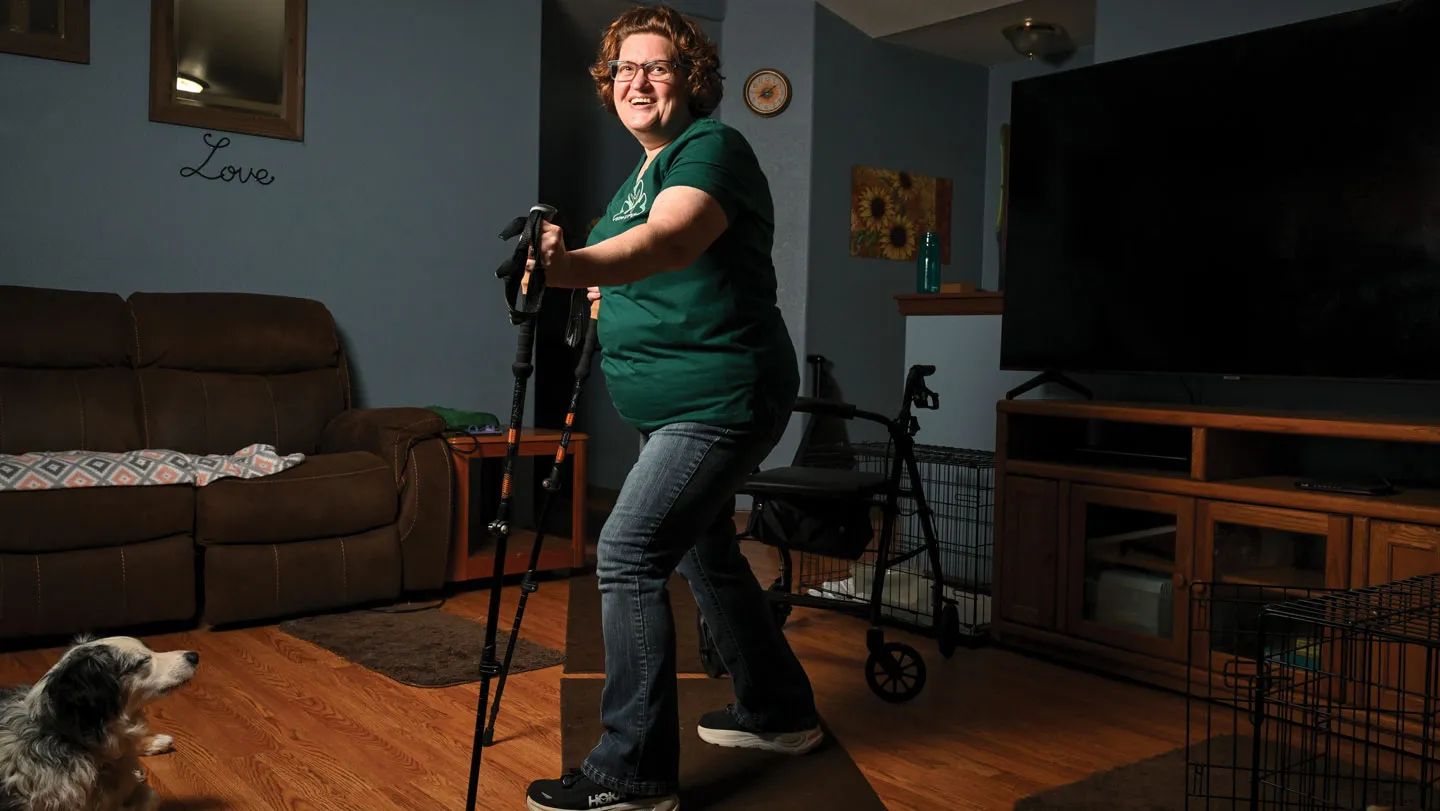
The news arrives quietly, but for a small community of people living with stiff person syndrome, it carries the weight of a lifetime. Kyverna Therapeutics, a biotechnology company focused on autoimmune diseases, has developed a CAR T cell therapy that could become the first treatment ever approved by the FDA for this rare and devastating condition. For decades, people with stiff person syndrome have faced a long, frustrating journey: years of misdiagnosis, strange and terrifying symptoms, and a medical system that often had more questions than answers. There is no cure, and the treatments available are mostly aimed at managing symptoms rather than addressing the root cause. But now, for the first time, there is a real possibility that science might offer something more. The idea that a single infusion of engineered immune cells could calm the chaos inside the body is not just a scientific milestone; it is a deeply human story of hope for people who have spent years feeling invisible, misunderstood, and afraid. The FDA’s decision, if it comes, will not just be a regulatory checkbox. It will be a recognition that these patients exist, that their suffering matters, and that medicine is finally catching up to their needs.
To understand why this moment matters so much, it helps to understand what stiff person syndrome actually does to a person. Despite its name, the condition is far more than simple stiffness. It is a rare autoimmune neurological disorder in which the body’s immune system mistakenly attacks healthy cells in the central nervous system, particularly those involved in producing GABA, a chemical that helps calm nerve signals. Without enough GABA, the brain and spinal cord become hyperactive. Muscles tighten uncontrollably. The trunk, arms, and legs may lock up without warning. Walking becomes difficult, sometimes impossible. Simple tasks like turning around, crossing a street, or reaching for a glass of water can trigger violent spasms. The pain is real and relentless, and the fear of falling or freezing up in public often drives people to isolate themselves at home. Many patients describe it as living inside a body that is perpetually bracing for impact. The condition can also cause anxiety, depression, and a profound sense of helplessness, because the very thing that should be most familiar, your own body, becomes unpredictable and hostile. Diagnosis is often delayed for years, partly because the disease is so rare and partly because its symptoms can mimic other neurological or psychiatric conditions. By the time someone finally hears the words “stiff person syndrome,” they have often been dismissed, misdiagnosed, or told that their symptoms are all in their head. For these patients, a treatment that actually targets the disease itself would be nothing short of life-changing.
The therapy being developed by Kyverna Therapeutics is a form of CAR T cell therapy, a treatment that was originally created for cancer but is now being repurposed for autoimmune diseases. The approach sounds like science fiction, but it is real. Doctors take a patient’s own T cells, a type of white blood cell that normally fights infections, and modify them in a laboratory. These engineered cells are then infused back into the patient, where they seek out and destroy specific immune cells that are causing the damage. In the case of stiff person syndrome, the target is B cells, the immune cells responsible for producing the harmful antibodies that attack the nervous system. By wiping out these rogue B cells, the therapy essentially resets the immune system, giving the body a chance to stop attacking itself. It is not a gentle treatment. The process requires chemotherapy beforehand to make room for the new cells, and patients may experience side effects similar to those seen in cancer patients, including fever, low blood pressure, and inflammation. But for people with a condition that has no approved treatment, the risk may be worth it. The hope is that a single infusion could provide long-lasting relief, freeing patients from the cycle of daily medications, physical therapy, and constant vigilance. The fact that CAR T cell therapy is now being tested in a disease like stiff person syndrome shows how far the field has come, and how much potential it holds beyond oncology.
The road to FDA approval is never easy, and this one will be no exception. Kyverna has already received encouraging signals from early clinical trials, and the company is working closely with regulators to design studies that can prove the therapy is both safe and effective. But the FDA’s green light is not just about one trial or one company. It is about establishing a new category of treatment for autoimmune diseases, one that goes beyond symptom management and tries to change the course of the disease itself. For patients, this is a delicate balance of hope and patience. They know that regulatory approval can take time, and that not everyone will be eligible for the therapy. They also know that CAR T cell therapy is complex, expensive, and not without risk. But for a community that has heard “there is nothing more we can do” too many times, the possibility of an approved treatment is a powerful source of comfort. It means that researchers are listening. It means that the disease is finally being taken seriously. It means that the next generation of patients may not have to endure the same decade-long search for answers. Even if the therapy is not a cure, even if it only helps a subset of patients, the fact that it could become the first approved treatment for stiff person syndrome would change the conversation forever. It would tell patients that they are not forgotten, and that science is willing to fight for them.
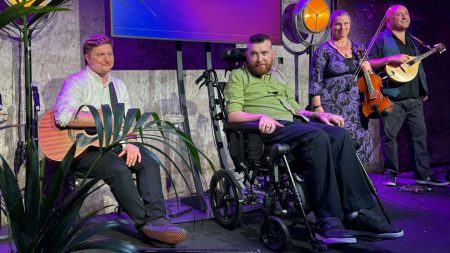
Behind the science, there are real people whose stories give this moment its emotional weight. There is the mother who stopped leaving her house because she was afraid of falling in the grocery store. There is the musician whose hands would suddenly clench into fists, making it impossible to play. There is the teacher who had to retire early because standing at a chalkboard became too dangerous. For these individuals, the arrival of a potential treatment is not abstract. It is deeply personal. It is the hope of walking to the mailbox without fear. It is the dream of hugging a child without triggering a spasm. It is the chance to sleep through the night without waking up in pain. And it is the quiet but profound desire to be seen as more than a diagnosis. A treatment like Kyverna’s CAR T cell therapy offers the possibility of reclaiming a life that the disease has taken hostage. It also offers something else: validation. For years, many patients have been told, sometimes subtly, sometimes cruelly, that their symptoms are exaggerated or imagined. An FDA approval would be a public acknowledgment that their suffering is real, that their condition has biological roots, and that their struggle deserves a medical response. That kind of validation can be as healing as any drug, because it restores not just the body, but the sense of dignity that chronic illness often erodes.
Looking beyond stiff person syndrome, this moment could mark the beginning of a broader revolution in how we treat autoimmune diseases. The same CAR T cell technology that is being tested for this rare condition is also being explored for multiple sclerosis, lupus, myasthenia gravis, and other disorders where the immune system turns against the body. If Kyverna’s therapy succeeds, it could open the door to a new era of precision medicine, one where doctors don’t just suppress symptoms but actually reprogram the immune system to stop the attack at its source. That is an enormous promise, and it comes with enormous responsibility. Scientists must ensure that the therapy is safe in the long term, that it doesn’t cause unintended damage, and that it is accessible to the people who need it most. The cost of CAR T cell therapy is currently very high, and there are serious questions about how insurance, government programs, and healthcare systems will cover it. But every medical breakthrough starts with a first step, and for stiff person syndrome, this is that step. It is a reminder that rare diseases are not too rare to matter, that patients with unusual conditions are not too few to help, and that the most innovative ideas sometimes come from the most unlikely places. As the FDA considers its decision, the entire community, patients, doctors, researchers, and families, waits with a mixture of anxiety and hope. Whatever the outcome, the work has already changed lives. It has given people a reason to look forward, a reason to believe that the future might be gentler than the past. And in the end, that may be the greatest gift of all.