


The Rise of a Lion King: A Journey Through the African Savannah
In the heart of Kenya’s Maasai Mara National Reserve, a remarkable story unfolds that rivals any Hollywood drama. The new four-part documentary series “Lion” follows the extraordinary journey of Kio, a young cub destined for greatness in a world filled with danger and wonder. From his first trembling steps to his eventual rise as a powerful leader, Kio’s story captures the raw essence of survival, family bonds, and the unrelenting spirit of nature. The series, which required an astonishing four years of dedication from its production team, logged over 1,400 hours of filming across 52 separate shoots to bring this intimate portrait of lion life to audiences worldwide. Executive producer Mike Gunton of BBC Studios Natural History Unit joined forces with Hollywood director Jon Favreau to craft a narrative that feels both deeply personal and universally compelling, proving that the most authentic stories are often those that unfold naturally before the camera lens.
The sheer uncertainty of following a young cub through the treacherous African wilderness made this project a genuine gamble for everyone involved. Statistics paint a sobering picture: approximately half of all lion cubs never reach adulthood, falling victim to predators, starvation, or the harsh elements of their environment. The production team faced constant anxiety throughout the rainy seasons when they were forced to temporarily abandon the pride’s territory, never knowing if Kio would survive their absence. Favreau, who previously directed the 2019 live-action adaptation of “The Lion King,” admitted that he was perpetually waiting for that phone call that would bring either devastating news or welcome relief. Unlike his previous work where every element was meticulously crafted through digital technology, this project demanded a completely different approach. “We had zero control over what happened,” Favreau explained, emphasizing their commitment to authenticity over manipulation, using only narrative tools like music and editing to shape the story rather than altering the reality before their cameras.
The technical artistry behind the series elevates it beyond mere nature documentary into cinematic excellence. Every frame captures the breathtaking beauty of the Kenyan landscape with such precision that each shot could stand alone as a painting. The majesty of sunsets silhouetting elephants and ancient trees, the brilliance of midnight skies bursting with stars, and the serene marshlands that seem transported from paradise create a visual feast for viewers. Academy Award-winning composer Hans Zimmer, whose genius for emotional musical scoring is legendary, adds layers of depth to these already stunning images. The innovative camera techniques employed by the crew deserve special recognition, particularly the stabilized platforms mounted on custom arms extending from the backs of pickup trucks, allowing them to film the lions at eye level. This approach, as Favreau noted, created an entirely new emotional dimension, as if they were capturing a scene between human actors, allowing audiences to see the thoughts and intentions flickering behind the lions’ eyes. Ultra-quiet drones provided unique aerial perspectives while sensitive camera sensors enabled filming during the precious low-light hours at dawn and dusk when lions are most active and interesting.
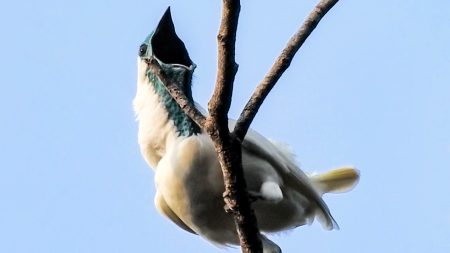
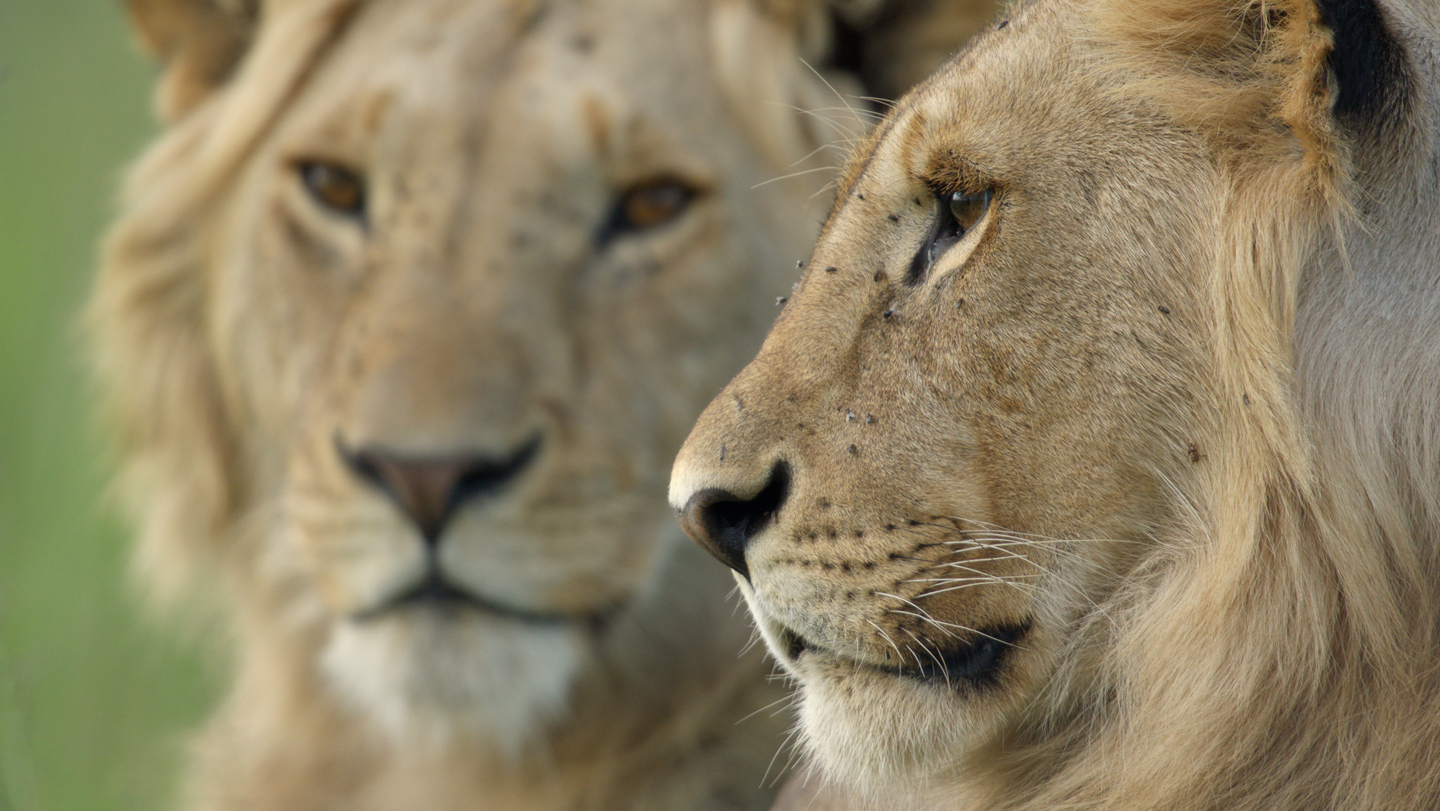
The series doesn’t romanticize the harsh realities of life on the African plains, yet it presents them with measured restraint. The ever-present black flies that swarm over the lions’ faces and bodies serve as constant reminders of nature’s unglamorous side, while moments of heart-stopping action occasionally left viewers gasping in surprise and horror. However, the filmmakers made deliberate choices to avoid graphic depictions, keeping deaths largely off-camera and maintaining a family-friendly approach to animal violence. This thoughtful editorial decision sometimes leaves questions unanswered, such as in the opening scene where young Kio challenges a significantly larger, stronger, and older male lion. The confrontation is revisited in a later episode, but the outcome remains ambiguous, a creative choice that Gunton defends by noting that some things are best known only to the lions themselves. The series compensates for these omissions with a diverse cast of supporting wildlife, from rainbow-colored birds that provide moments of levity to formidable buffalo that serve as dangerous threats, creating a rich tapestry that illustrates the incredible biodiversity of the savannah ecosystem while maintaining narrative tension through strategic cliffhangers at each episode’s conclusion.
At its heart, “Lion” is ultimately a profound family saga that challenges the solitary narrative of the fictional “Lion King.” In reality, male lions rise to power not alone but through the strength of brotherhood. Kio’s journey alongside his brothers reveals the intricate cooperation required for hunting, defense, and overcoming rival males, demonstrating that a male lion’s survival depends heavily on his bonds with his siblings. As the youngest of the brotherhood, Kio’s brave stands and gradual development into leadership show how these young lions learn through experience and necessity. Yet the emotional core of the series belongs to Summer, Kio’s mother, whose story was always destined for prominence. One of four females the team originally planned to follow, Summer brought an unexpected narrative richness: she was aging, and these cubs represented her final opportunity to raise a legacy. Her relationship with Kio developed into something extraordinary, as if both understood his special destiny despite his initial weakness and fragility. The production crews watched in wonder as Summer demonstrated extraordinary devotion, proudly defending her vulnerable cub, providing for her pride, and teaching the brotherhood essential survival skills that would serve them long after her departure. Her grace and power, whether stalking prey or tenderly nuzzling her family members, mark her as a true queen among lions.
The premiere of “Lion” on August 19th promises to deliver more than just entertainment; it offers a window into a world rarely seen with such intimacy and respect. While the fictional Lion King portrayed rulership as a solitary achievement, this documentary reveals the beautiful complexity of lion society, where strength comes from collaboration and family loyalty forms the foundation of survival. Throughout its four chapters, the series balances heart-pounding action with quiet family moments and gentle humor, creating an experience that resonates on multiple emotional levels. The invitation for audiences to watch Kio transform from a vulnerable cub into a powerful leader is also an invitation to reflect on universal themes of growth, perseverance, and the bonds that sustain us through life’s challenges. As Summer passes her wisdom to the next generation and Kio finds his place among his brothers, we witness the eternal cycle of life playing out against one of the planet’s most spectacular backdrops. The combined efforts of the dedicated crew, including local Kenyan filmmakers, and the artistic vision of Gunton and Favreau have created a work that honors both its animal subjects and the landscape they call home. With the availability of the series on National Geographic, Disney+, and Hulu, following the initial broadcast, and the release of Zimmer’s stirring soundtrack afterward, audiences worldwide will have the opportunity to experience this magnificent story of courage, family, and the indomitable will to survive.