



The modern geopolitical landscape is shifting beneath our feet, marked by a fascinating and deep-seated generational divide in how Americans perceive global threats, particularly when it comes to China. According to a recent public opinion survey conducted by the Ronald Reagan Institute, a remarkable psychological chasm has emerged between older and younger generations regarding America’s chief geopolitical rival. For older Americans—many of whom carry the vivid cultural memories of the Cold War and a lifelong understanding of distinct, sovereign borders—the threat of a rising, assertive China feels immediate and highly personal. An overwhelming ninety-three percent of seniors aged sixty-five and older expressed deep concern over China’s ability to conduct espionage against the United States. In stark contrast, younger adults between the ages of eighteen and twenty-nine view the situation through a decidedly different, more globalized lens, with only sixty-two percent expressing similar anxieties. This generational gap is not an isolated data point; it extends across every major vector of bilateral friction. When asked about Taiwan, eighty-six percent of senior citizens worried about China’s potential use of military force, compared to just fifty-six percent of their younger counterparts. Similar trends emerged regarding technology theft, where ninety-one percent of seniors voiced worry compared to sixty-one percent of young adults, as well as Chinese purchases of domestic farmland and properties, which troubled ninety-three percent of older Americans but only sixty-eight percent of the younger generation. Even the tragic, highly localized crisis of the domestic fentanyl epidemic revealed a dramatic split: ninety-two percent of older respondents see China’s role in the drug pipeline as a major threat, while that number drops to sixty-eight percent among the state’s emerging adult population.
While these numbers expose a glaring division in urgency, they also highlight a broader, underlying national consensus that should not be overlooked. Despite the relaxed attitude of Gen Z and younger Millennials, the general American public remains heavily preoccupied with China’s growing influence on their daily lives. Across all demographic boundaries, more than eighty percent of Americans expressed anxiety over China’s involvement in the flow of illicit fentanyl across U.S. borders, its technological espionage capabilities, and its strategic acquisitions of domestic land. Furthermore, two-thirds of the country still believes that the security and sovereignty of Taiwan are critical interests that demand American protection and attention. For the average citizen, these are not merely distant, abstract foreign policy debates happening in the halls of Washington; they represent tangible anxieties about local job security, the safety of their communities, and the stability of the global supply chains that deliver everything from microchips to everyday consumer goods. This split represents a country trying to find its footing, balancing the visceral, instinctual protective measures championed by its eldest citizens with a younger generation that has grown up in an interconnected, digital world where global cooperation often feels more natural than nationalistic rivalry.
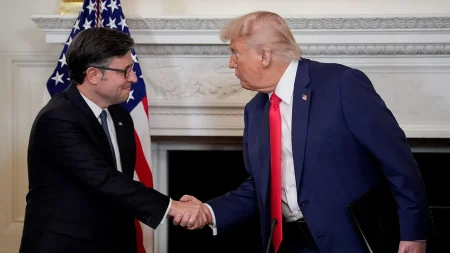
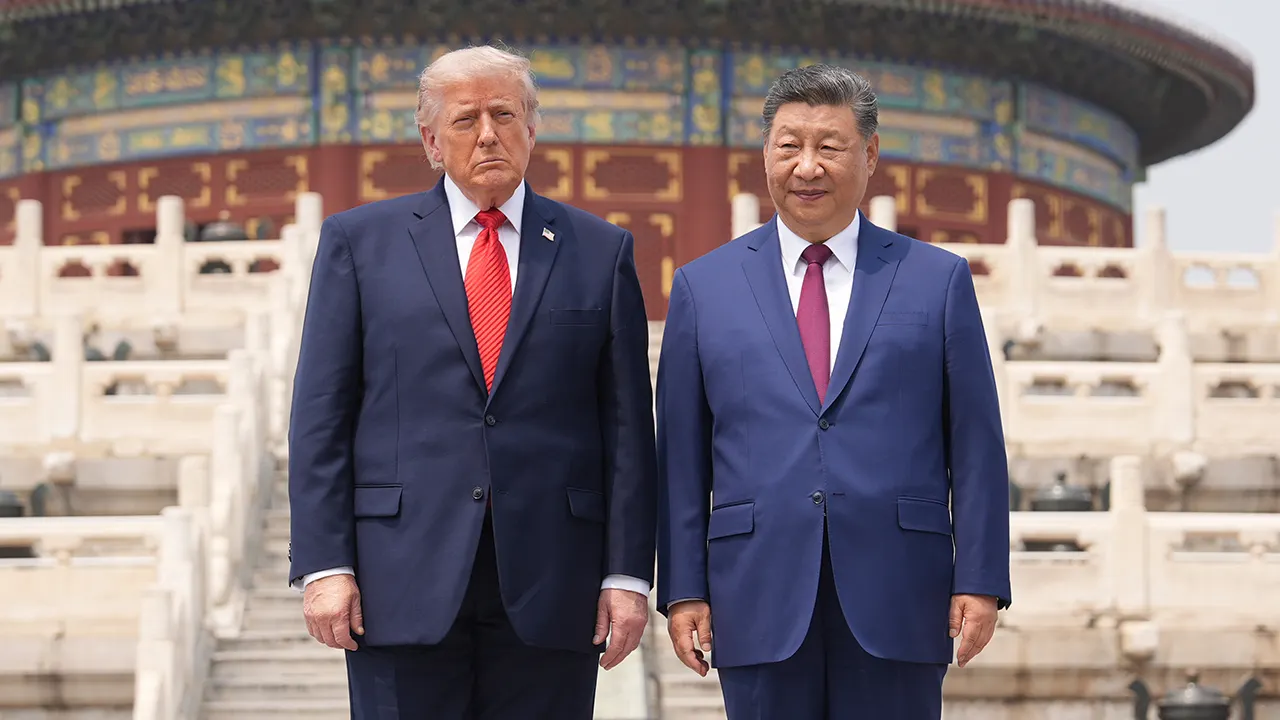
This complicated public sentiment directly mirrors the delicate diplomatic tightrope currently being walked by leaders in both Washington and Beijing. For years, the relationship between the world’s two largest economies was defined by escalating military posturing and aggressive, tit-for-tat economic maneuvers, initiated in large part by the heavy, triple-digit tariffs imposed by the United States. However, recent developments suggest an era of complex pragmatism. Following a highly anticipated, face-to-face summit, President Donald Trump met with Chinese President Xi Jinping to strike a series of trade and investment agreements, signaling a mutual desire to stabilize their volatile relationship. In typical fashion, the diplomatic rhetoric varied wildly from the hawkish alerts sounded by national security officials. While Defense Secretary Pete Hegseth warned of “rightful alarm” regarding China’s historic, rapid military expansion in East Asia, the presidency painted a much more conciliatory picture. Following the summit, the president praised Xi as a “great leader” of a “great country,” claiming the bilateral talks resolved critical global issues that would have otherwise remained hopelessly deadlocked. This disconnect between aggressive national defense planning and high-stakes personal diplomacy leaves many Americans feeling conflicted, unsure whether the nation is preparing for an inevitable conflict or entering a new era of transactional stability.
Beneath the surface of bilateral relations lies an even deeper, more fundamental transformation in how younger Americans view their country’s overall role in the world. Recent academic research, including a study by the Carnegie Endowment, confirms that Gen Z and younger Millennials are increasingly skeptical of traditional concepts of American exceptionalism and global hegemony. Rather than prioritizing absolute global dominance, younger generations tend to favor a less interventionist foreign policy, preferring international diplomatic cooperation and showing far less interest in enforcing technological or military superiority over rivals like China. This evolving worldview is already beginning to reshape the domestic political landscape. Interestingly, the Ronald Reagan Institute’s survey captured a surprising shift in traditional party platforms regarding foreign intervention. Historically, the Democratic Party championed global alliances and international cooperation, while portions of the Republican base leaned toward isolationist tendencies under the “America First” banner. Today, however, that dynamic is reversing. Seventy-one percent of self-identified Republicans now argue that the United States must actively take the lead in global affairs, compared to only fifty-five percent of Democrats. This represents a significant sixteen-percentage-point partisan divide, fueled in part by a growing segment of Democrats—now forty-three percent—who believe that active American intervention around the globe is fundamentally more harmful than helpful.
Understanding how these opinions were gathered is essential to appreciating the human stories behind the statistics. The Reagan Institute Summer Survey, conducted between May 26 and June 3, gathered perspectives from a diverse sample of 1,555 American adults through a modern, hybrid methodology. Rather than relying solely on traditional landline phone calls—which frequently miss younger or more technically integrated populations—researchers utilized a mix of live telephone interviews, interactive online panels, and text-to-web messaging to meet people where they actually communicate. To ensure the findings painted a true, authentic portrait of the American tapestry, scientists weighted the data against official demographic benchmarks from the U.S. Census Bureau’s American Community Survey, accounting for age, gender, geographic region, education, and ethnicity. Crucially, the pollsters included a specialized oversample of young, self-identified “MAGA” Republicans under the age of thirty. This targeted focus allowed researchers to dissect the unique worldview of emerging young conservatives, offering a rare glimpse into a demographic that will heavily influence the future direction of the nation’s foreign policy and political ideology for decades to come.
Ultimately, these shifting attitudes are colliding head-on with a world where American hard power is being tested in real-time. Over the past year, the foreign policy apparatus has adopted a increasingly assertive stance, ordering decisive military strikes in the Middle East, escalating counter-cartel operations in the Western Hemisphere, and actively intervening to challenge the leadership of Nicolás Maduro in Venezuela. These actions have thrust questions of global power and moral responsibility right back to the front of public discourse. As the older generation of voters—who view global security through a traditional, defensive, and highly patriotic lens—gradually yields political influence to younger citizens, America’s long-term strategy will be forced to evolve. The grand challenge of the next century will not just be managing the complex relationship with China, but bridging the massive internal divide between older citizens who wish to guard the fortress of American dominance and a younger generation seeking a more collaborative, less combative existence in an increasingly multipolar world.