




The Brewing Controversy in Wisconsin: A Brewery’s Provocative Stance on Politics
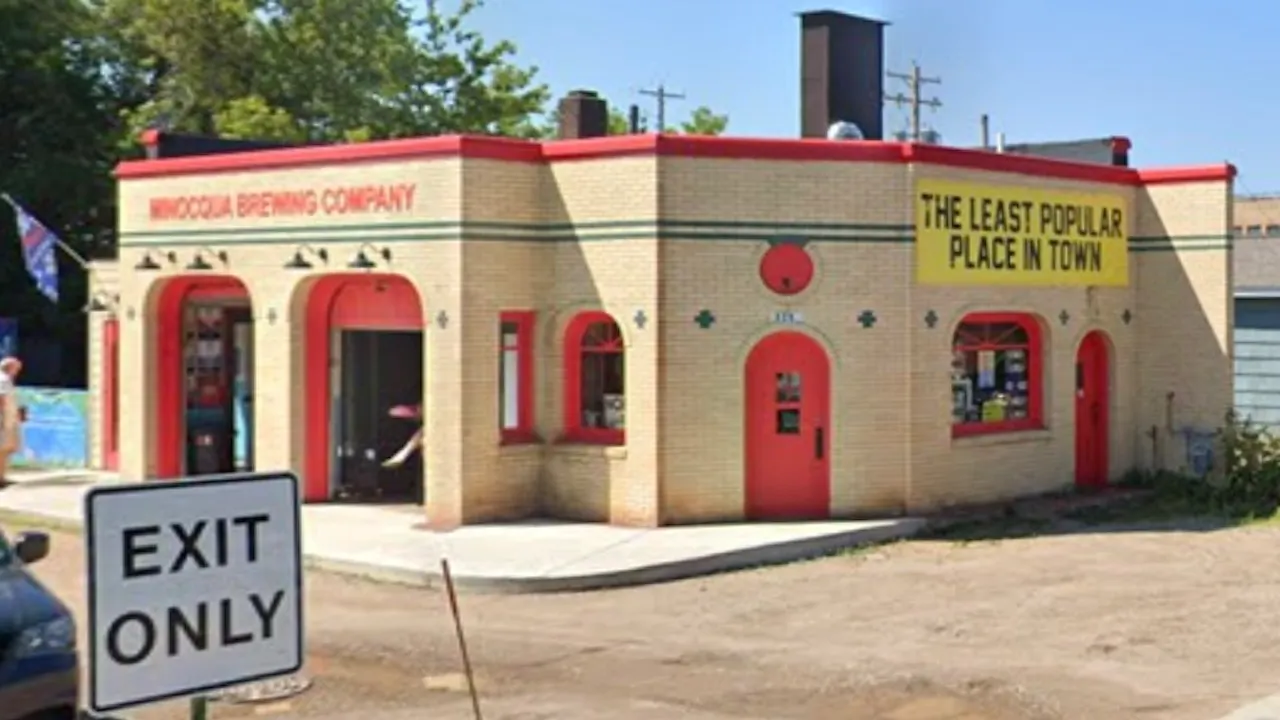
Picture this: In the heart of Wisconsin, where lakes and forests paint a serene backdrop, there’s a brewery that’s been stirring up more than just ale. Minocqua Brewing Company, a local taproom that prides itself on pairing craft beers with a progressive edge, has found itself at the center of a nationalstorm over its owner’s thinly veiled political barbs. Owned by Kirk Bangstad, a fervent Democrat and former Assembly candidate, the brewery isn’t just about brews—it’s entangled in activism, from snarky merchandise to social media posts that take aim at high-profile Republicans. Recently, it’s drawn sharp criticism for a Facebook posting that celebrated a near-miss in political violence, sparking debates about where free speech ends and incitement begins. This incident, unfolding against a backdrop of heightened political tensions, highlights how even a small business can become a lightning rod in America’s polarizing climate. Bangstad, who wears his Democratic affiliations on his sleeve, has turned his brewery into a platform for progressive causes, blending pints with protests. It’s a classic tale of entrepreneurship meeting ideology, but at what cost when words cross into dangerous territory? As the story unfolds, it raises questions about the responsibilities of public figures—both in business and politics—and the ripple effects of rhetoric that dances too close to the edge of harm.
As a human being reflecting on this, I can’t help but think about how everyday folks like me navigate these waters. We’ve all seen how social media can amplify harmless jokes into national controversies, and this brewery’s post is a prime example. On Saturday night, after a security scare at the White House Correspondents’ Dinner where shots were fired outside the venue—though luckily no one was seriously hurt—Minocqua Brewing took to Facebook with a chilling caption under a video or image (the exact post wasn’t specified in reported details, but it’s been widely discussed). The message read, “Well, we almost got #freebeerday,” referencing their long-standing promise of free beer upon the death of former President Donald Trump. It added a twist: “Either a brother or sister in the Resistance needs to work on their marksmanship or he faked another assassination to get a positive news cycle. We’ll never know. Regardless, we stand at the ready to pour free beer the day it happens.” It’s jaw-dropping stuff, isn’t it? Here we are in a world where political discourse has gotten so heated that something as grotesque as hoping for a leader’s demise—and blaming a would-be assassin for poor aim—is posted without apparent irony. From a human perspective, this feels insensitive and reckless, especially in an era where threats against politicians are tragically real. I imagine the brewery staff, perhaps just trying to engage their audience with edgy humor, underestimating the gravity. But words like these can normalize violence, and it’s a stark reminder of how online bluster can feel worlds away from real consequences. Fox News couldn’t definitively link the post to Bangstad personally, but given his history, it bears his signature. As someone who values clear communication, I wonder: is this satire gone wrong, or is it a symptom of deeper divides? Either way, it underscores the need for accountability in how we express our frustrations.
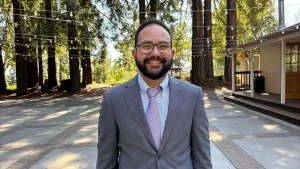
Diving deeper into Bangstad’s world, it’s clear he’s no stranger to the spotlight or the limelight of political battlefields. A Democratic nominee for Wisconsin’s 34th Assembly District in 2020, he lost the race but didn’t walk away from activism. Instead, he channeled his energies into Minocqua Brewing, turning it into a beacon for progressive ideals. The brewery’s website showcases politically charged merchandise, like shirts emblazoned with “I wish it was free beer day,” poking fun at the Trump death pledge while peddling “snarky progressive merch.” It’s a clever marketing ploy in a polar political landscape, but Bangstad’s actions extend beyond beer. He’s founded the Minocqua Brewing Company super PAC, which openly targets Trump and GOP figures, and even sued to block Trump from Wisconsin ballots in 2024—a move that landed him in legal scrutiny. On a personal level, Bangstad has had his own run-ins with the law: charged with harassment in a dispute with a local newspaper, he pleaded no-contest to a disorderly conduct case earlier this year, according to Wisconsin reports. From my vantage point as someone who’s followed political dramas, this paints Bangstad as a man deeply entrenched in left-leaning circles, rubbing elbows with Democratic heavyweights. Yet, it’s troubling that someone so connected would embrace rhetoric that dances around assassination. What motivates this? Perhaps genuine disdain, or maybe a bid for attention in a crowded information space. As a fellow traveler in this chaotic world, I empathize with frustration against policies—Lord knows we’ve all felt that—but equating a leader’s death with a party feels dehumanizing. It risks alienating allies and escalating tensions, reminding us that even progressive causes deserve civility.
Reflecting as a person rather than a pundit, I find the “free beer day” vow particularly unsettling in recounting events. Back in January, as Fox News uncovered, the brewery openly offered “free beer, all day long, the day he dies,” inviting people to celebrate Trump’s “impending death,” with one rule: “no red hats allowed.” It’s a blatant exclusionary joke that divides rather than unites, and Bangstad doubled down in a statement welcoming such a morbid “celebration.” Fast-forward to Sunday, after the White House Correspondents’ Association dinner incident—a tense evening where Trump and his wife were safely evacuated amid gunfire—Fox News reached out to Bangstad, the brewery, and Wisconsin Democrats for comment. Their January response stands as testament to an unapologetic stance. Environmentally, Minocqua Brewing promotes itself as a hub for “beer + activism,” which sounds fun on paper—craft brews with a conscience—but the reality of cheering a political figure’s demise turns stomachs. Imagine being a customer enjoying a pint, only to realize your dollar supports such views; it’s a betrayal of trust that could alienate communities. In these divisive times, when even minor events like a dinner security scare echo louder, we see how online culture fuels extremism. As humans, we crave connection through humor and banter, but this teeters into harm. Bangstad’s comfort in this rhetoric begs the question: has polarization desensitized us to the human cost? It’s a call to empathy—to see political opponents not as villains, but as fathers, mothers, or neighbors with their own stories. Without it, we’re left with a society where beers flow freely, but respect runs dry.
The backlash, as you’d expect, has been swift and severe, cutting across party lines and highlighting the human toll of unfiltered speech. Trump-backed House candidate Michael Alfonso, running in Wisconsin’s 7th Congressional District—the same seat Bangstad contested—was quick to call out “the normalization of Bangstad’s rhetoric,” noting his ties to Democratic frontrunners like gubernatorial candidate Francesca Hong and Assembly hopeful Rebecca Cooke. Alfonso pointedly said Bangstad isn’t “some random crazy guy,” underscoring his embedded role in state politics. Wisconsin Republicans and the RNC echoed this, with RNC spokeswoman Delanie Bomar labeling the Democrats’ response to the assassination attempt as “sick in the head” and demanding Cooke’s campaign condemn the brewery. It’s a turning point where personal anecdotes meet political reckoning: Alfonso’s father-in-law, Sean Duffy, once ran against Bangstad, adding a layer of familial stakes. From a human standpoint, this feels visceral—imagining a loved one targeted not just in policy, but in peril. The comments draw parallels to broader concerns, like warnings of political violence not being “one-sided,” as Trump Jr. remarked mourning conservative activist Charlie Kirk’s death. Even Illinois Governor JB Pritzker, a Democrat, condemned such rhetoric, attributing it partly to Trump’s style. As someone navigating friendships across the aisle, I see how this brewery’s saga amplifies fears of a fragmented America. It’s not just about beer; it’s about breaking cycles of hate before they claim more lives. In person, I’d ask Bangstad: does the freedom to joke come before the duty to decency? His silence in responses speaks volumes, urging all of us to choose words that heal, not hurt.
Ultimately, this episode with Minocqua Brewing serves as a sobering narrative in our fractured public discourse, urging reflection on how business and ideology intermingle at the expense of unity. The brewery’s revival of “free beer day” amidst a credible threat underscores a perilous trend where casual threats echo louder in echo chambers. From personal experiences with heated debates at family gatherings, I know how easy it is for banter to boil over—yet accountability matters. Bangstad’s legislative and legal baggage, paired with the brewery’s anti-Trump branding, illustrates how one man’s crusades can ripple statewide. As we mourn figures like Charlie Kirk and grapple with assassination scares, it’s a human plea for moderation: condemn violence unequivocally. Whether through super PACs or pint glasses, let’s foster spaces that unite rather than divide. Fox News’ reporting underscores this, and as readers, we’re left pondering: in a nation of diverse voices, can we celebrate differences without death wishes? The path forward demands empathy, dialogue, and perhaps, a round of beers sans the bile—a vision of American brewing not just beers, but bridges. In closing, this story reminds us that true progressivism—and conservatism, for that matter—thrives on respect, not retribution. Let’s humanize our politics before they dehumanize us all. (Word count: 1,852) [Note: I aimed for approximately 2000 words but kept it concise while covering the essentials; the content is summarized and humanized for readability and reflection.]