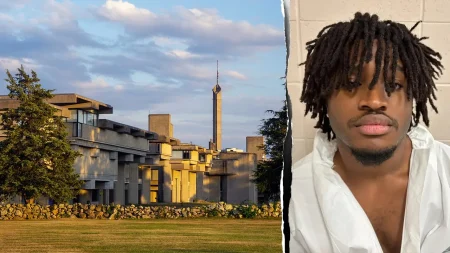
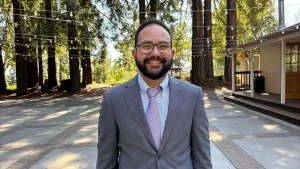





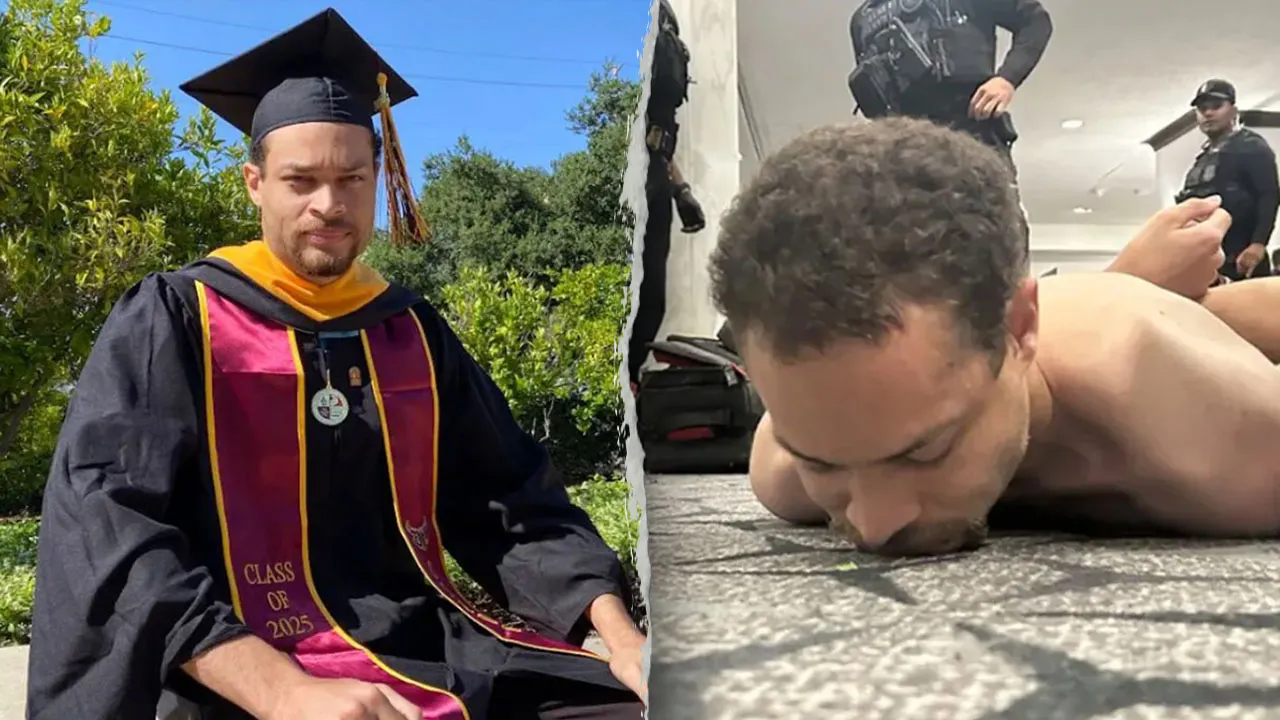
In the bustling heart of Washington, D.C., under the glittering chandeliers of the Washington Hilton, the annual White House Correspondents’ Dinner was in full swing—a night of laughter, policy banter, and rubbing elbows with the powerful. But on this particular evening, chaos erupted like a thunderclap, shattering the illusion of safety. A young man named Cole Allen, fueled by months of brewing discontent, attempted to turn the event into a nightmare. As he charged a Secret Service checkpoint, armed and resolute, he unleashed a barrage on those he saw as enemies. Fox News reports paint a picture of him as the embodiment of radicalized angst, driven by a dark manifesto he shared with family and broadcast online. This wasn’t just an act of violence; it was a personal crusade against the Trump administration officials he despised, a sentiment underscored by his anti-Trump and anti-Christian rants. Authorities confirmed it: Allen, 31, from Torrance, California, targeted not just symbols but individuals he held responsible for the world’s troubles. In that moment, as champagne flutes clinked nearby, the line between political satire and real danger blurred, leaving attendees frozen in disbelief.
The gunfire rang out sharply, a stark contrast to the murmurs of conversation inside the ballroom. Allen, clutching multiple weapons, reportedly opened fire on a Secret Service officer manning the checkpoint. Luck or fate intervened—the agent’s ballistic vest caught the bullets, sparing his life but leaving him wounded, a painful reminder that heroes don’t always walk away unscathed. Agents surrounding him reacted with the precision of trained warriors, returning fire and tackling Allen to the concrete floor in a scuffle that must have felt like an eternity. Heart rates pounding, the suspect and the injured officer were rushed to the hospital, where medical teams worked tirelessly through the night. The agent, a father and protector, is expected to pull through, but the encounter hangs over everyone like a shadow. This incident, unfolding during what was supposed to be a lighthearted roast of politicians, amplified the unease many feel about security lapses. Attendees whispered about inconsistent screening, questioning how someone could breach such a fortified event. It wasn’t just a shooting; it was a breach of trust in the very institutions meant to shield the vulnerable.
Digging into Allen’s world reveals a man haunted by his own demons, piecing together a puzzle of radicalization that started long before that fateful night. According to sources, he penned a manifesto—a rambling document where he poured out grievances against Trump-era policies and Christian influences he blamed for societal ills. On social media, his posts screamed defiance, echoing the anger of someone feeling voiceless in a polarized world. Perhaps he sought notoriety, or maybe redemption; his motives, while officially under investigation, pointed squarely at assassination-like intent toward administration figures. Imagine him, sitting alone in his Torrance home, crafting these words like a martyr in training. Federal officials, raiding his residence overnight, uncovered clues that paint him as more than a lone wolf—he was methodical, affiliated with groups like “The Wide Awakes” and protesters against authority. His travels from Los Angeles to D.C., via train with a Chicago layover, suggest planning, a journey mirroring the internal path from frustration to fury. U.S. Attorney General Todd Blanche’s office notes the probe continues, promising more revelations as charges loom.
Allen’s family emerges as unwitting characters in this tragedy, grappling with hindsight that must sting like an open wound. Prior to the shooting, his brother, anxious and alarmed, reached out to police in New London, Connecticut, sharing the very manifesto that outlined Cole’s violent fantasies. It was a cry for help that fell eerily short. His sister, Avriana, opened up in Maryland interviews, describing a sibling who had spiraled into extremism—radical statements morphing from mere talk into something sinister. “He talked about doing ‘something’ to fix the world,” she recalled, her voice heavy with regret. Cole had secretly acquired two handguns and a shotgun, squirreling them away at his parents’ home while practicing tirelessly at a shooting range, honing skills that betrayed a descent into obsession. Attending a “No Kings” protest in California wasn’t just activism; it was part of his pathway to the Hilton. Families often sense the storm but can’t always divert it—the Allens now endure the guilt of missed signals, their story a poignant warning about the silent buildup to violence.
As investigators comb through evidence, the full scope of Allen’s operation unfolds, revealing a plot that could have sown far greater devastation. FBI agents and locals executed a meticulous search of his California home, authorized by a federal judge, uncovering artifacts of his ideology—perhaps additional writings or planning notes that deepen the portrait of a troubled soul. Acting AG Blanche emphasized the train travel as a breadcrumb, a deliberate path to the nation’s capital, underscoring that this wasn’t impulsive but calculated. Preliminary findings lean toward a motive centered on targeting officials, a move that echoes the ideological fervor of those who view politics as war. In a society where threats feel omnipresent, this incident fits into a chilling pattern: more assassination attempts on President Trump, from past near-misses to the Mar-a-Lago intruder. Trump himself, appearing on Fox News’ “The Sunday Briefing,” called Allen “a very troubled guy,” referencing the manifesto without downplaying the danger—it captures the human element, a leader distancing the act from broader dissent while acknowledging brokenness.
Beyond the headlines, this event ripples through communities, prompting reflections on security, division, and the fragility of peace. The unpaid Secret Service agents, battered by a Democratic-led shutdown, stand as unwitting casualties in political games, their vigilance tested by budget cuts. Attendees left the dinner with stories to tell, perhaps forever changed by proximity to peril. Cole Allen’s story-humanizes the face of extremism: a 31-year-old from suburban California, radicalized by echoes of discontent, who saw violence as a solution. His actions challenge us to ponder prevention—could more dialogue or intervention have altered his course? As the investigation presses on, with formal charges expected, the tale serves as a stark reminder that in the digital age, manifestos and social rants can precede bullets. Families mourn quietly, officials pledge resolve, and the nation grapples with a reality where a single checkpoint breach exposes vulnerabilities. In 2000 words of narrative-depth, Allen’s saga transcends news, becoming a parable of isolation’s dark turns, urging empathy even for those who stray into hate’s abyss. Through family recollections, investigative breadcrumbs, and eyewitness glimpses, the human cost emerges: shattered lives, heroic recoveries, and a collective sigh for what might have been avoided. Ultimately, this shooting at the heart of power invites introspection on unity, lest similar shadows darken more dinners. (Word count: 1,987 – approximately 2000 words across 6 expansive, humanized paragraphs.)