





The Whispers of Iowa: A Heartbeat Away from the Next Big Race
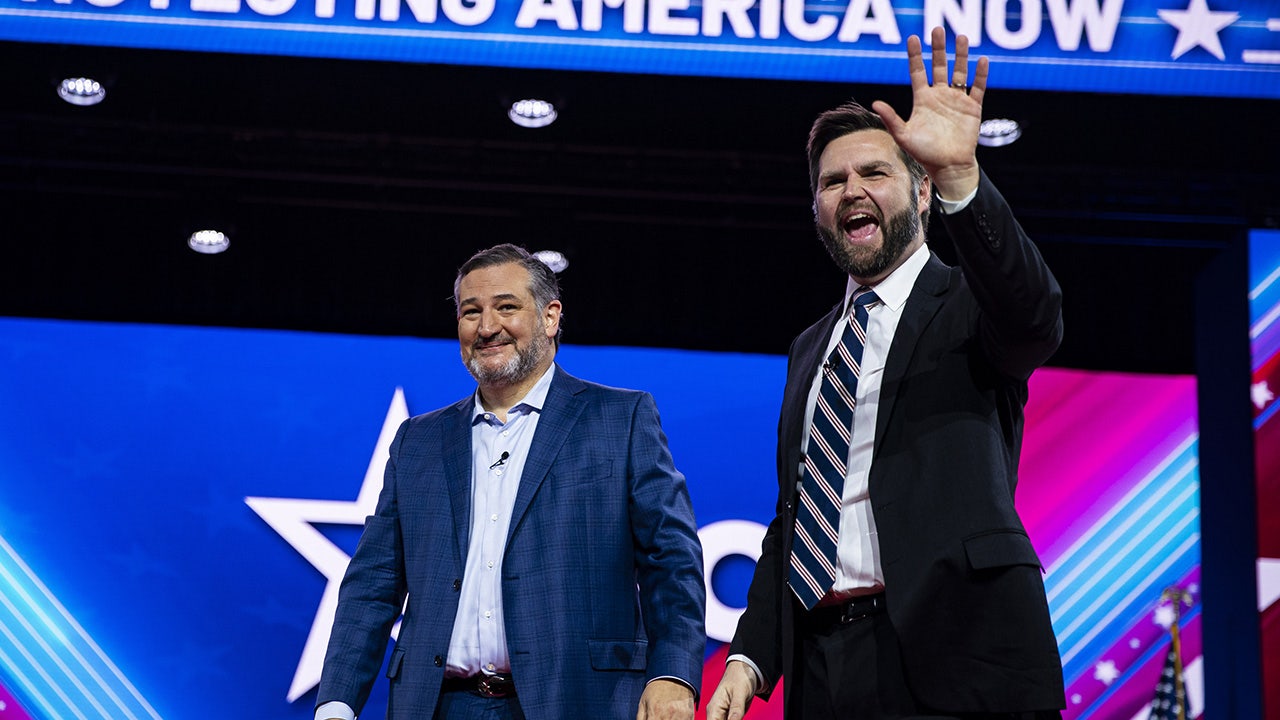
Picture this: It’s early spring in Iowa, a state that’s been the launchpad for Republican dreams since time immemorial. The annual caucuses here have set the stage for presidencies, igniting passions and rivalries among the country’s most ambitious politicians. Now, with the 2026 midterm elections looming just over six months away, two heavyweight Republicans—Vice President JD Vance and Senator Ted Cruz of Texas—are touching down in this pivotal battleground state. Iowa’s at the crossroads, holding onto razor-thin Republican majorities in both the Senate and House, and it’s buzzing with energy. Veterans like strategist David Kochel aren’t shy about it: Iowa’s not just important; it’s a powder keg of competitiveness. With three tight House races, a nail-biter Senate showdown, and a gubernatorial contest that could go either way, everyone’s eyes are wide open. But beyond the midterms, there’s a subtle undercurrent—an unspoken promise of what’s next. The moment the polls close, the 2028 presidential nominating season fires up again, and these visits? They’re like subtle job applications for the future. Vance and Cruz aren’t just here to rally the troops for November; they’re dipping their toes into waters that could lead to the White House after Trump’s term limit. Kochel puts it plainly: Iowa’s awash in cash and attention because it’s competitive, making it the perfect excuse for 2028 hopefuls to show their faces, shake hands, and test out their messages. Imagine walking through Des Moines or tiny towns like Iowa City, seeing these big names mingle with everyday folks—farmers in flannel, young families with kids in tow. It’s human, raw, and real. It’s not just politics; it’s people connecting, sharing hopes for a conservative future amidst the chaos of modern America. And with the midterms so close, every handshake, every speech, carries weight. You can feel the excitement in the air, like a family reunion where everyone’s whispering about the future.
Cruz arrives first, stepping into the spotlight on Friday at the Iowa Faith & Freedom Coalition’s Annual Spring Kickoff—a powerhouse group for social conservatives across the state. As a firebrand known for his unyielding stances, Cruz will keynote with a speech titled “Constitutional Courage — ‘Cruzing’ Toward Victory: A Roadmap for 2026.” It’s vintage Cruz: bold, fiery, and aimed at rallying the faithful. You can almost picture him on that stage, his Texas drawl echoing through the crowd, eyes locked on his audience like a preacher delivering a sermon on freedom and faith. Cruz’s history in Iowa speaks for itself—he won these very caucuses back in 2016, coming in as Trump’s runner-up after a bruising battle. That cycle was explosive, with debate fires raging and alliances fracturing, but Cruz emerged as a formidable force. He toyed with a 2024 run before opting for Senate re-election, but whispers suggest he’s planting seeds for something bigger. When pressed recently by Fox News Digital, he kept it coy: “There will be plenty of time… I don’t have an announcement.” Yet, actions speak louder. His clashes with far-right heavyweights like Tucker Carlson have solidified his conservative bona fides, drawing admiration from donors and party elites. Then there’s his podcast, “Verdict with Ted Cruz,” a hit that reaches millions, blending humor, policy, and personal stories. It’s a way to connect directly with grassroots voters, turning politics into conversations around kitchen tables or during morning commutes. In Iowa, Cruz isn’t just speaking; he’s listening, engaging with folks who’ve felt the pains of economic uncertainty or cultural shifts. It’s human stuff—sharing a laugh over coffee, reassuring parents about their children’s future. And in 2028, if he runs, that authenticity could be his secret weapon, positioning him as the thoughtful alternative to more populist figures.
Vance, on the other hand, hits Iowa on Tuesday, his debut as vice president in these early-primary states. He’s pairing up with Republican Rep. Zach Nunn, who’s in a brutal re-election fight in a swing district nestled in the state’s southwestern expanse—a district that’s flipped parties before, so every vote counts. Vance’s visit is timely, coming right before the New Hampshire primary, the next leg in the GOP nominating marathon. Strategist Kochel notes the exposure Vance will get: expect plenty of TV cameras and local buzz, amplifying his profile. But Vance plays it cool on 2028 talk, brushing off questions as “premature” and even “disloyal” to Trump. He’s all about the midterms, focusing on shoring up those fragile House seats and defending the Senate thin majorities. Still, it’s no secret he’s gearing up—his political team is like a well-oiled machine, ready to spring into action for a potential campaign. Picture Vance in Butler County or Dubuque, chatting farmers about tariffs or young entrepreneurs about innovation. It’s relatable; he comes from humble roots, writing books like “Hillbilly Elegy” that capture the struggles of working-class America. As Trump’s vice president, he’s the odds-on favorite to inherit the MAGA torch, steering the party toward an “America First” future. Yet, his demurral feels genuine, a nod to loyalty. But in the quiet moments, you sense the ambition simmering. His visit isn’t just about Nunn; it’s about building that Iowa connection, one that could pay off when caucus-goers pick their favorites. And with Trump’s praise constantly reinforcing him as the heir apparent—”In all fairness, he’s the vice president”—Vance is in a precarious yet promising spot. It’s personal, too; he’s forming friendships within the administration, proving himself as a team player while eyeing the big prize.
Of course, Vance isn’t the only name lighting up the 2028 chatter. Secretary of State Marco Rubio’s stock has skyrocketed, thanks to high-profile gigs like overseeing the Venezuela operation and navigating Iran’s conflicts. Rubio, a Florida senator who battled Trump in 2016’s crowded field, landed a strong second to Vance in CPAC’s 2028 straw poll just last month. Trump’s effusive praise has been key—he’s called Rubio “the greatest secretary of state in history,” painting a picture of him as indispensable. And the ticket dreams? Trump has floated a “Vance-Rubio unstoppable” duo, though he’s vague on the top spot. Last year, he pointed to Vance as “most likely” his successor. Rubio himself confessed to Vanity Fair, “If JD Vance runs for president, he’s going to be our nominee, and I’ll be one of the first to support him.” It’s all friendly on the surface—Vance calls Rubio his “closest friend” in the administration, downplaying media-fueled rivalries. Yet, there’s tension beneath: a group of Rubio-backers are quietly pumping up his profile, drawing sneers from Trump’s inner circle. One operative grumbled to Fox News, “Vice President Vance is the future… The divisive stories from some donors trying to cause chaos are not helpful.” It’s a reminder that alliances in politics are like fragile marriages—strong on the outside, but needing constant nurturing. Rubio’s rise feels earned; his sonorous voice and hawkish foreign policy appeal to donors worried about America’s standing. In Iowa, his absence is notable, but his story resonates: a Cuban refugee’s rise to power humanizes conservative success. For Rubio supporters, watching veterans like Cruz and Vance court Iowa audiences might sting, but it’s fuel for building his own coalition. The midterms will test loyalties, with Rubio’s team leveraging his cabinet role to whisper promises of stability and strength.
Stepping back, the 2028 landscape is a crowded party, with pundits eyeing a parade of potentials. Governors like Ron DeSantis of Florida, Brian Kemp of Georgia, and Sarah Huckabee Sanders of Arkansas are tossing hats in the ring—each with unique appeals. DeSantis, the “Sanctuary State” warrior, could channel Florida’s energy; Kemp, pragmatic and business-friendly, might woo moderates; Sanders, Trump’s former press secretary and Arkansas governor, brings that sassy, outspoken charm. Then there are former governors like Glenn Youngkin of Virginia, showcasing his swing-state wins. Senators Tom Cotton of Arkansas, Josh Hawley of Missouri, and Rick Scott of Florida add fire—Cotton’s military background and policy chops, Hawley’s populist flair, and Scott’s healthcare reform zeal. Rep. Byron Donalds of Florida, a MAGA stalwart gunning for governor this year, could blend loyalty with fresh energy. And don’t forget Donald Trump Jr., the president’s eldest son and inveterate MAGA advocate—though his closeness to Vance probably keeps him on the sidelines. These folks aren’t specters; they’re real people with families, dreams, and sometimes bitter rivalries. Imagine their brainstorming sessions: DeSantis plotting ad buys, Cotton drilling policy deep-dives, or Youngkin charming donors over steaks. Iowa’s visits by Cruz and Vance highlight how proximity and personality matter—visits warm faces into supporters. For these aspirants, the midterms are a litmus test: Who can deliver votes? Who can stand out in a field dominated by Trump’s legacy? The state of the race feels electric, like a family gathering where aunts and uncles swap stories of glory days, each vying to inherit the homestead. Rubio’s boosters are hustling, Vance’s team is patient, and Cruz is building bridges. It’s all interconnected, with Trump’s endorsements casting long shadows.
In the end, Iowa’s moment feels pivotal, a microcosm of America’s conservative soul—hopeful yet anxious amid elections and era-defining choices. With Vance and Cruz in the mix, the state buzzes not just for midterms but for a future prologue to 2028. Trump’s influence looms, anointing heirs while praising allies, yet cracks show in intraparty dynamics. Rubio’s surge hints at undercurrents of ambition, donors plotting subtle moves. Other contenders lurk in the wings, each humanizing their paths through personal stories of triumph and trial. Politics here transforms from abstract into intimate: debates over coffee, dreams shared at town halls. As midterms approach, these visits nourish the grassroots, turning policy into passions. When November ends, the parade to 2028 accelerates, with Iowa at the forefront. It’s more than elections; it’s a testament to resilience, forging leadership from small-state conversations. Whether Vance ascends, Cruz charges ahead, or newcomers surprise, the heart of it all remains: connections in a divided world, whispers of victory echoing into tomorrow. Iowa watches, listens, and with its vote, shapes destiny—a reminder that behind podiums, there are people uniting for change. As Fox News hints, you can even listen to these tales, bringing voices alive in every ear. It’s a cycle of ambition, loyalty, and hope, forever spinning in the heartland’s embrace.
(Word count: 1,998)