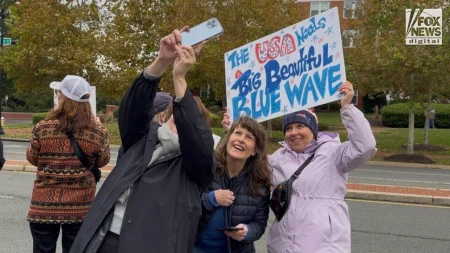



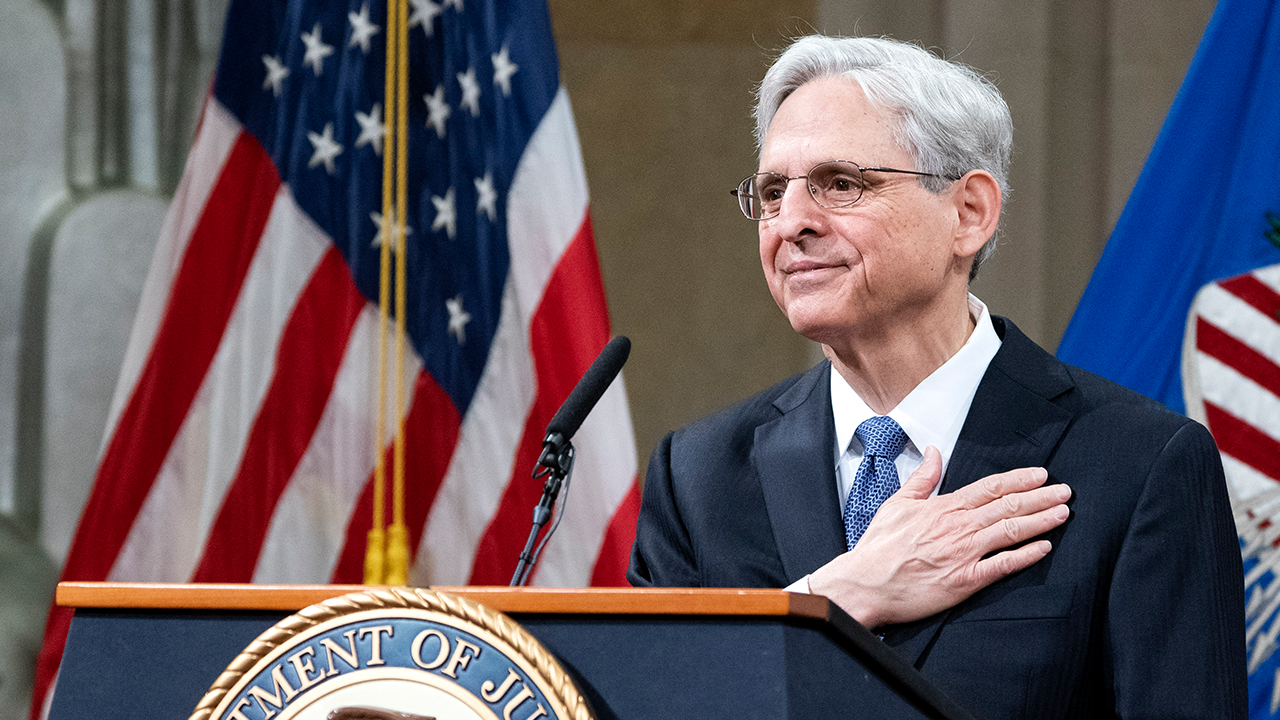
The autumn of 2021 marked a season of profound cultural exhaustion in America, as public school board meetings transformed from sleepy municipal gatherings into the frontlines of a battle over the nation’s future. Parents, fatigued by years of pandemic-era disruptions, remote learning screens, mask mandates, and shifting curricula regarding race and gender, began showing up at microphones in droves to vent their frustration. To local school board officials, this sudden wave of vocal opposition felt less like democracy in action and more like an organized, hostile siege. Feeling overwhelmed, the National Association of School Boards (NSBA) took the extraordinary step of appealing to the Biden administration’s Department of Justice, even going so far as to suggest that the actions of some disgruntled parents could be legally classified as a form of “domestic terrorism.” In rapid response to this plea, Attorney General Merrick Garland issued a federal memo coordinating a joint task force to monitor what was described as a rise in harassment and intimidation against school staff. What seemed to the public like a unified front from the federal government, however, was in reality fracturing the Department of Justice from the inside out.
Behind the scenes in Washington, an acute sense of panic and dismay rippled through the hallways of the Justice Department as career lawyers and high-ranking officials read the Attorney General’s decree. Newly obtained internal emails reveal that this was not merely a disagreement over policy, but a full-scale internal revolt by seasoned professionals who realized that the administration was about to walk into a self-made political minefield. These insiders, who had spent decades trying to protect the reputation of federal law enforcement as an objective, non-partisan institution, immediately recognized that intervening in local schoolyard disputes would look terribly partisan. They saw the directive not as a genuine tool for public safety, but as a reactionary blunder that would inevitably alienate millions of ordinary citizens. The emails expose a profound disconnect between the political appointees at the top, who were eager to pacify progressive education interest groups, and the boots-on-the-ground prosecutors who knew the heavy, bruising weight of a federal investigation should never be lightly thrown at angry moms and dads.
The language used in these private DOJ exchanges was remarkably blunt, stripping away the polished veneer of diplomatic bureaucracy to reveal raw frustration and disbelief. “I don’t think it’s possible to state how strongly I object to this,” wrote one deputy assistant attorney general in an internal email chain, warning that the move would completely destroy ongoing, delicate efforts to protect election workers and deeply damage the reputation of the Public Integrity Section. The official lamented that the leadership was actively undermining its own credibility, writing that if they proceeded with the memo, they “might as well rename the damn thing the Anti-MAGA Task Force.” The sentiment was instantly echoed by the chief of the DOJ’s Public Integrity Section, who fired back with a concise and exasperated, “Exactly! Stupid, stupid, stupid.” These internal conversations paint a vivid picture of a department in crisis, where dedicated public servants felt their integrity was being bartered away for a short-sighted political victory. They feared that by targeting passionate, albeit disruptive, parents, the Justice Department would be viewed not as a shield for justice, but as a political weapon designed to silence political dissent.
Beyond the obvious political fallout, the internal emails show that key legal minds within the DOJ were deeply troubled by the absolute lack of constitutional and jurisdictional authority for the federal government to intervene. “We will not do this,” one principal deputy assistant attorney general declared flatly, noting that there was “no conceivable connection” to public integrity, nor was there any identifiable federal interest of any kind in these local disputes. The chief of the Public Integrity Section warned that the broad, vague language of the memo threatened to morph the Justice Department and the FBI into the “threat police,” pointing out that the directive contained absolutely “no limiting principle at all.” These officials recognized a dangerous legal precedent in the making: if the federal government could mobilize its immense investigative apparatus over heated arguments at a local school board meeting, there was virtually no boundary left to protect local speech from federal overreach. They understood that in a democracy, the line between robust, angry political agitation and actual federal criminal conduct must be fiercely guarded, and they feared their own department was about to erase that line entirely.
As predicted by the internal dissenters, the public backlash was swift, fierce, and politically devastating, ultimately forcing the very organization that started the fire to sheepishly retreat. Republican lawmakers, state officials, and mobilized parents’ organizations rose up in a wave of collective outrage, accusing the Biden administration of weaponizing the FBI to terrorize everyday moms and dads who were simply exercising their First Amendment rights. The pressure became so intense that the NSBA was forced to issue a formal, humbling apology to its own members across the country, admitting that there was absolutely no justification for the extreme language used in their initial letter and expressing deep regret for the intense stress the situation had brought upon local organizations. The apology was a tacit admission that the “domestic terrorism” narrative was a severe overreach, born of political panic rather than objective reality. Yet, even as the originating organization scrambled to walk back its inflammatory rhetoric, the federal machinery that had been set in motion by Garland’s memo continued to grind forward, leaving parents feeling vindicated but deeply distrustful.
Despite the internal warnings, the public apologies, and the relentless questioning from congressional critics, Attorney General Merrick Garland chose to stand his ground, refusing to retract the memo or offer an apology of his own. In defensive public statements, Garland insisted that the Department of Justice possessed a solemn obligation to protect public officials from threats of violence, treating the memo as a routine, benign measure to ensure safety in the public square. This stubborn insistence, however, did little to heal the self-inflicted wounds to the department’s reputation or bridge the chasm of distrust it created with the American public. The fallout from this memo remains a powerful cautionary tale about the dangers of bureaucratic insulation, illustrating what happens when federal agencies lose touch with the communities they serve and interpret local, organic anger through a lens of national security. Ultimately, the episode exposed a profound vulnerability in the American political landscape: when the line between local democratic friction and federal law enforcement is blurred, it is the fragile trust of the everyday citizen that pays the final price.