



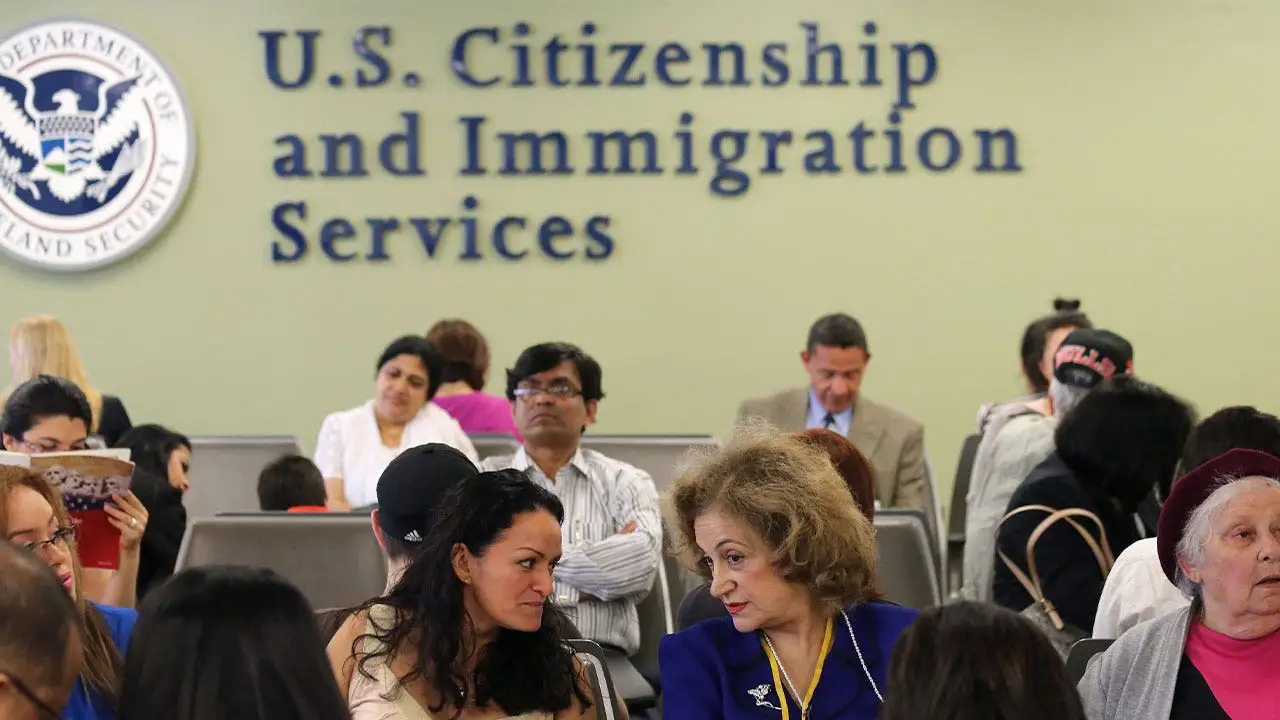
Behind the cold prose of federal registries and governmental directives lies a complex system of human lives, hopes, and systemic struggles, all of which are being profoundly reshaped by a pivotal new policy shift from the Trump administration. In an immediate effort to dismantle the staggering bottleneck paralyzing America’s immigration infrastructure, the administration is fundamentally altering how certain asylum applications are processed by bypassing a historically vital administrative step. Under an interim final rule introduced by U.S. Citizenship and Immigration Services (USCIS), the government now enjoys the authority to refer select asylum seekers directly to immigration courts without first granting them an initial, face-to-face interview with an affirmative asylum officer. For decades, this preliminary conversation acted as an essential buffer and a less adversarial portal through which migrants could articulate their fears of violence, political oppression, or systemic discrimination in their home countries. By eliminating what administration officials describe as a costly redundancy, this rapid-routing measure seeks to dramatically accelerate the speed of deportations and case resolutions, forcing a highly vulnerable segment of the migrant population to state their cases directly before an immigration judge under the looming threat of deportations.
To truly comprehend the human weight of this policy shift, one must understand the delicate legal divide between “affirmative” and “defensive” asylum claims, a distinction that dictates how thousands of families experience their first fragile steps on American soil. Traditionally, an affirmative claim is initiated voluntarily by an immigrant who is not currently facing active deportation proceedings; they proactively approach the government, seeking refuge and safety through a process designed to be administrative and investigative rather than strictly punitive. In contrast, defensive asylum operates as a shield, raised in the high-stakes environment of an immigration courtroom only after the Department of Homeland Security has already initiated formal removal proceedings against an individual. By selectively targeting affirmative applicants and redirecting them straight to the judicial fast-track without a prior USCIS interview, the new rule effectively strips away the initial legal cushion that separated these two processes. Critics and advocates argue that this policy pushes traumatized individuals—many of whom are unfamiliar with the English language and complex American legal doctrines—directly into an intimidating, adversarial courtroom setting where they must immediately defend their right to remain in the country against government prosecutors.
From an administrative standpoint, the officials tasked with managing the country’s immigration portfolio argue that the current dual-layered framework is a recipe for systemic paralysis that ultimately serves no one. Under the pre-existing system, USCIS asylum officers would spend hours painstakingly interviewing applicants, evaluating their evidence, and researching the political climates of their home nations, only to refer cases they could not immediately approve to the immigration court system for an entirely separate, de novo review. The Department of Homeland Security told Fox News Digital that this structural double-take essentially means a single asylum case is litigated twice, consuming double the work-hours and putting an unsustainable drain on both humanitarian agencies and immigration judiciaries. The resulting backlog has reached historic proportions, forcing families to languish in legal limbo for years on end, unable to secure permanent stability while they wait for their lives to be decided by a system stretched past its breaking point. By establishing a direct pipeline from the initial application to the immigration courts, the administration hopes to clear these massive bottlenecks, allowing specialized asylum officers to dedicate their finite resources to cases with clear, undeniable evidence of legitimate persecution, while simultaneously moving weaker or less documented claims rapidly through the judiciary.
This procedural evolution represents the latest front in the Trump administration’s comprehensive, highly polarizing campaign to overhaul the nation’s immigration laws, which officials contend have been systematically co-opted. Throughout this tenure, administration leaders have consistently argued that the existing framework suffers from structural vulnerabilities that encourage illegal immigration, allowing individuals with illegitimate or economically motivated claims to exploit humanitarian protections simply to buy time and secure domestic work authorizations. Under current laws, asylum seekers who have pending applications for a specified period can legally apply for employment permits, a benefit that administration officials claim has been transformed into a powerful pull factor for unauthorized migrants seeking a backdoor path to American jobs. By curtailing the timeline of these cases and removing the multi-year cushion created by the initial interview backlog, the administration aims to deter those who might use the asylum system as a loophole to delay their eventual departure, projecting a clear message of zero tolerance toward what they view as strategic litigation designed to run out the clock on immigration enforcement.
The ideological battle lines of this domestic conflict are starkly drawn, pitted between the unyielding metrics of national security and the deeply human realities of refugees fleeing genuine terror. “For far too long, the asylum system has been exploited for purposes of delay and work authorization, not legitimate claims of protection,” USCIS Director Joseph Edlow shared with Fox News Digital, emphasizing that the rule is designed to safeguard precious resources for those who are genuinely in fear of their lives. Echoing this firm stance, DHS General Counsel James Percival pointed to intentional delays orchestrated by undocumented immigrants and the legal advocacy groups representing them as one of the most formidable barriers to effective, law-abiding border enforcement. Yet, to human rights advocates, immigration attorneys, and the migrants themselves, these “delays” are not cynical legal ploys, but critical lifelines. For an individual who has fled severe trauma, finding competent legal representation, gathering translated documents from a war-torn homeland, and preparing to recount deeply painful personal histories to a judge takes time, and the elimination of the preliminary USCIS interview is viewed as a devastating blow that could result in the hurried, unjust deportation of those who are truly in danger.
As this interim final rule goes into immediate effect, it initiates a high-stakes real-world trial that will deeply impact thousands of lives while the formal regulatory process continues to unfold in the background. Although the policy bypass is now active operational law, USCIS has stated that it will remain open to receiving and evaluating public comments before crafting and finalizing the permanent version of the rule. This feedback window promises to become a crucial battleground, where legal aid networks, civil rights organizations, and policy experts will fiercely document the practical human consequences of the direct-referral system in action. The debate encapsulates a profound, enduring question at the heart of the American identity: how can a nation balance its sovereign right to police its borders and streamline its bureaucracy with its historic, moral obligation to serve as a beacon of hope and a safe harbor for the world’s most vulnerable? As the administration presses forward with its plan to prune away what it views as redundant administrative branches, the eyes of the nation remain fixed on how these systemic changes will play out in the courtrooms, at the borders, and in the lives of those seeking refuge.