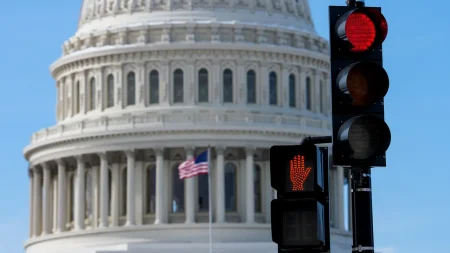







The dream of constructing a modern, impenetrable stronghold at the very heart of the American executive branch has collided head-on with the quiet custody of historic preservation, igniting a fiery public dispute over the architectural, psychological, and symbolic future of the White House. At the center of this bitter battle is a proposed $400 million, 90,000-square-foot ballroom project that is far more than a venue for hosting glamorous international state dinners; it is designed to double as an elite, high-tech fortress for the modern age. Dubbed the “DronePort,” this highly ambitious addition would feature an incredibly sophisticated rooftop drone base engineered to shield the entirety of Washington, D.C., from advanced aerial weapons. To its champions, led by President Donald Trump, the project represents an essential, long-overdue transition from the outdated safety measures of the past to a futuristic shield designed to counter advanced drone warfare and modern asymmetric threats. To its detractors, however, the massive structure threatens to permanently deface the historic aesthetic, open landscape, and structural heritage of one of the world’s most recognizable and enduring symbols of democracy. This dramatic conflict has cast a harsh spotlight on the delicate, often agonizing act of balancing national security against the public’s right to historic preservation, turning a dispute over federal land use into a deeply symbolic debate about how a democracy should protect its leaders. As construction crews wait in limbo and legal scholars debate the limits of executive power, this physical transformation of the White House lawn stands as a profound testament to an era defined by intense geopolitical anxiety, where the casual, peaceful strolls of ordinary citizens must contend with the cold, hard realities of defensive architecture in an increasingly hostile world.
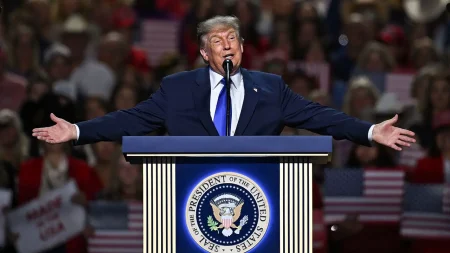
Fueled by his trademark urgency and an uncompromising vision for national defense, President Trump has taken to social media to aggressively bypass traditional diplomatic channels and blast what he views as a dangerous, obstructionist legal challenge holding up the project. Expressing his deep-seated frustration on Truth Social, Trump directed his sharpest vitriol toward U.S. District Judge Richard Leon, accusing the veteran jurist of “playing games” with the collective safety of the American people and risking catastrophic national consequences. In Trump’s view, the legal roadblocks holding up the construction of the DronePort are not just bureaucratic inconveniences; they are existential vulnerabilities that actively expose the nation’s capital to devastating foreign or domestic threats. The president criticized the lawsuit’s origins, attributing the entire controversy to a “highly litigious woman” whom he dismissed as a “serial plaintiff” with absolutely no legitimate legal standing to interfere with executive security. He argued that her personal preference for quiet, undisturbed strolls around the historic East Wing should never override the safety of the Commander-in-Chief or the protection of Washington’s skies. With characteristically blunt and ominous rhetoric, Trump warned that if a tragic attack were to strike the White House during this court-ordered impasse, Judge Leon would be held directly and personally responsible for the resulting “Death and Destruction” brought upon the country. For Trump, the days of relying on traditional perimeter guards armed with mere rifles and pistols are long gone, replaced by a pressing, immediate need for a technologically superior defensive shield that can neutralize incoming threats in an instant. This public messaging effectively reframes the entire real estate debate, turning what critics call a vanity project into a matter of absolute survival, where any delay is painted as an open invitation to national tragedy.
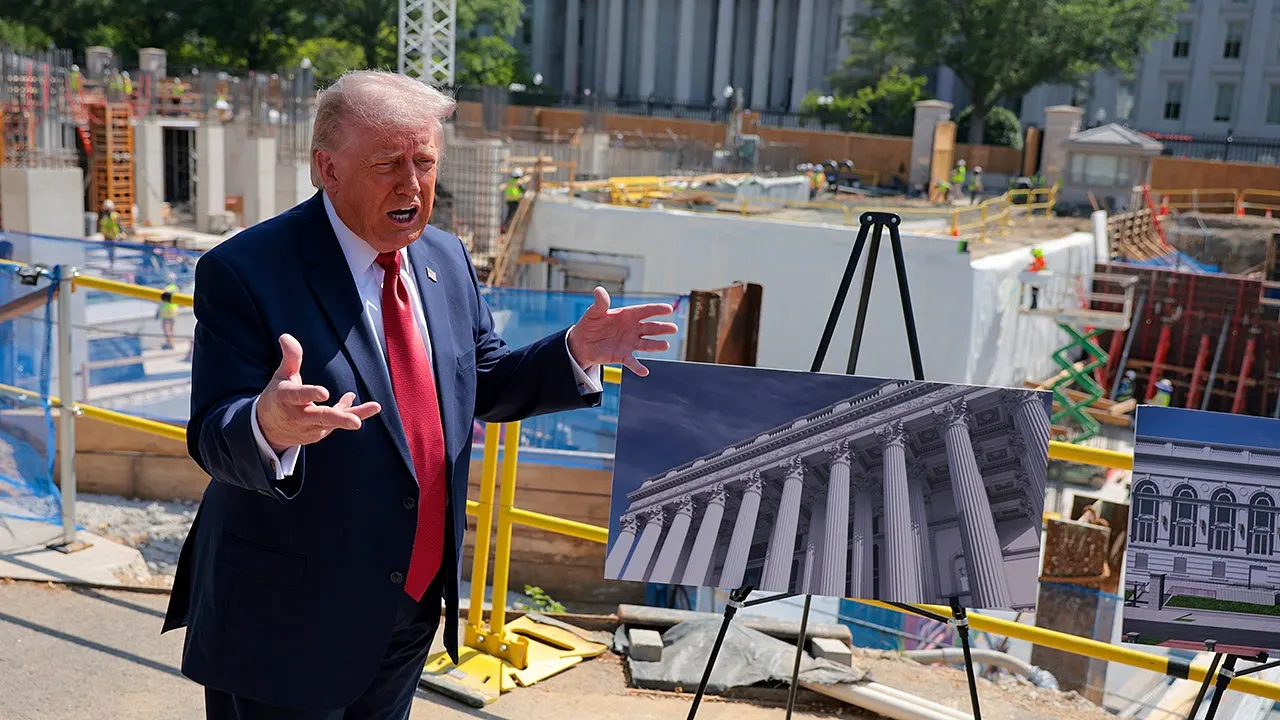
To fully grasp the gargantuan magnitude of what is being proposed on the historic grounds of the executive mansion, one must look beyond the political grandstanding and examine the staggering, fortress-like engineering of the ballroom itself. The proposed 90,000-square-foot facility would absolutely dwarf the existing historical footprints of the White House complex, featuring advanced structural design elements specifically engineered to withstand a direct, sustained military assault. Above the grand hall, which is designed to comfortably and securely host up to 1,000 guests for state events, the building’s roof is constructed of “impenetrable steel” designed to absorb or harmlessly deflect high-impact drone strikes without any damage. Surrounding the perimeter, heavy titanium fencing—described by Trump as robust enough to withstand being rammed by a heavy commercial bulldozer—stands alongside thick, specially treated blast-proof glass designed to survive high-yield explosions. Yet, the most remarkable and secretive aspects of this defensive marvel lie deep beneath the polished ballroom floors, where a massive, six-story underground military complex is currently being excavated. This subterranean labyrinth is set to house a state-of-the-art military hospital and highly classified research facilities, ensuring that the critical operations of the executive branch and of national security intelligence can continue unabated even in the midst of a catastrophic domestic crisis. This dual-purpose design creates a fascinating, almost surreal juxtaposition: while foreign dignitaries dine and dance in a luminous, glass-enclosed hall, a subterranean army of medical professionals and defense scientists works in quiet isolation directly beneath their feet, prepared to manage the complex logistics of a national emergency.
Standing directly in the path of this massive architectural transformation is the National Trust for Historic Preservation, a congressionally chartered nonprofit organization dedicated to protecting America’s diverse built heritage from hasty destruction. The National Trust’s lawsuit asserts that the administration’s aggressive demolition and construction plans bypass crucial federal preservation laws, ignoring established public processes and permanently destroying the historic character of the beloved White House grounds. In April, Judge Richard Leon sided with the preservationists, ruling that Trump lacked the proper legal authority from Congress to proceed with such a sweeping, high-cost overhaul of federal property without explicit legislative approval, and subsequently issued an injunction to halt all above-ground construction of the planned ballroom. This legal roadblock, however, quickly became a high-stakes game of judicial tug-of-war when a federal appeals court stepped in to temporarily freeze Leon’s injunction, allowing the sound of heavy machinery to continue echoing across the East Wing until a final decision could be reached. This complex legal battle highlights a profound constitutional tension: the division of power between an executive branch that claims unilateral authority to protect itself in the name of national security, and a system of checks and balances designed to prevent the unchecked modification of public treasures. For the members of the National Trust and their supporters, saving the historic landscape of the White House is not about hindering security, but about defending the democratic principle that even the most powerful office in the world must answer to the rule of law. They argue that eroding these checks in the name of safety sets a dangerous precedent, potentially opening the door for future administrations to reshape historic lands under the broad, unquestioned umbrella of national interest.
This legal dispute has taken on a palpable, frantic sense of dread and urgency as the Justice Department, led by acting Attorney General Todd Blanche, continually presses the courts to permanently dissolve the injunction and dismiss the historic trust’s lawsuit. In a detailed, urgent five-page court filing, the DOJ argued that recent, terrifying security breaches around the president and the White House have rendered the historic preservation litigation not just obsolete, but actively dangerous to the country’s leadership. They pointed directly to a series of escalating, real-world threats that occurred right on the mansion’s doorstep, including a violent checkpoint shooting outside the White House gates where an armed suspect was fatally shot by secret service officers, alongside a foiled attack targeting the annual White House Correspondents’ Association dinner. Most alarmingly, the filing highlighted the two separate, highly publicized assassination attempts made against Trump’s life within a single month, painting a stark picture of a nation gripped by political volatility where security vulnerabilities can be exploited in the blink of an eye. By framing the court’s hesitation as a direct threat to the lives of American leaders, the Justice Department is attempting to shift the judicial focus away from architectural heritage and toward the grim realities of modern threat mitigation. From the government’s perspective, continuing to stall the construction of a protective drone port and secure ballroom for the sake of a historic view is a luxury the United States can no longer afford. The administration’s legal team is essentially asking the judiciary to step aside, arguing that in a modern environment where threats emerge from both the sky and the street, defense decisions must be left entirely to the discretion of security experts rather than judges.
Ultimately, the raging battle over the White House ballroom and its futuristic drone port serves as a powerful metaphor for a country caught at a complex historical crossroads, torn between the preservation of its democratic identity and the demands of its survival. The dispute reveals a deeper, more profound societal question that stretches far beyond the immediate legal arguments: how much of our cultural heritage and open civic identity are we willing to sacrifice in the pursuit of absolute safety? To some, the image of a heavily fortified White House, wrapped in titanium fencing and crowned with an active military drone base, is a depressing departure from the open, accessible executive mansion envisioned by the nation’s founders. It conjures images of an imperial presidency, disconnected from the public by a multi-million dollar fortress of steel, concrete, and titanium. To others, however, it is a pragmatic and absolutely necessary adaptation to a hostile, rapidly changing world where traditional borders and localized security measures are no longer enough to guarantee the survival of the state or its leadership. As the nation awaits a final decision from Judge Richard Leon, the unfinished steel and concrete of the East Wing project stand as a stark visual reminder of this unresolved tension between freedom and security. Whether the structure is ultimately completed as a state-of-the-art military shield or scaled back to preserve the historic landscape, this legal and ideological battle will leave a lasting mark on the presidency. It redefines the institution not just by the policies crafted within its walls, but by the very walls constructed to keep the outside world at bay, forcing us to ask what remains of a free society when its central symbols must be transformed into fortresses.