





Trump’s Bold Move Amid NATO Tensions
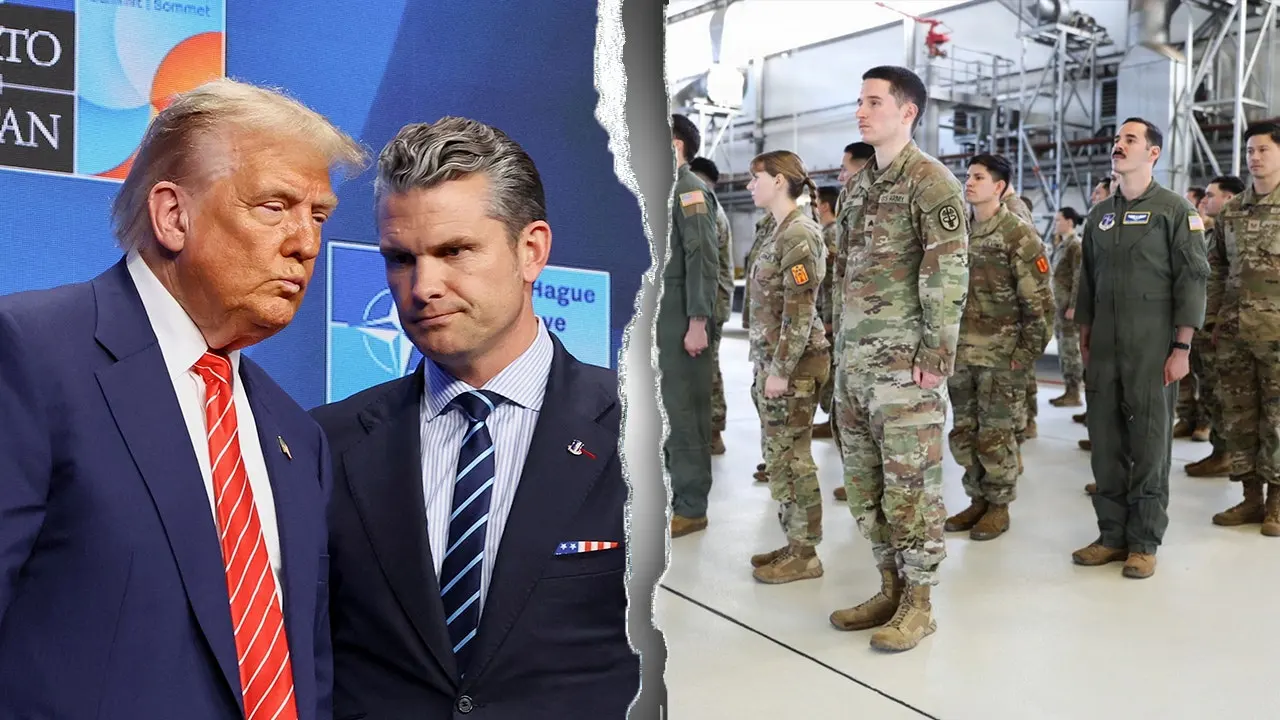
Picture this: It’s late in the year, and tensions are simmering between the United States and its key NATO allies, especially as the conflict with Iran heats up. President Donald Trump, always one to shake things up, just announced a plan to pull back 5,000 U.S. troops from Germany. This isn’t just a random decision—it’s a direct response to what he sees as resistance from allies unwilling to fully back American efforts in the Middle East. The Pentagon’s Sean Parnell confirmed the troops would be withdrawn over the next six to 12 months, starting from Friday. But here’s the twist: Trump’s administration might be eyeing ways to maneuver around potential roadblocks, using his authority as commander-in-chief to relocate forces rather than just shrinking the overall American presence in Europe. It’s a move that has everyone—from allies to Congress—on edge, wondering how this fits into the bigger picture of global security. For ordinary people watching this unfold, it feels like watching a high-stakes family feud spill out into the international spotlight, where loyalties and burdens are being questioned in real time. Trump’s critics argue it’s more about his personal grievances than sound strategy, while supporters see it as a wake-up call for fairer partnerships. This decision comes at a moment when the U.S. is pushing hard for cooperation against Iran, but allies like Germany are pushing back, sometimes publicly. It’s hard not to empathize with everyday Americans who rely on these deployments for stability—they provide logistics hubs that could be crucial if things escalate further. Yet, the human side of this is about respect and mutual effort; Trump seems frustrated that countries like Germany aren’t stepping up more, echoing sentiments he voiced years ago. As this play unfolds, it reminds us that leadership isn’t just about power plays—it’s about building trust in a world where threats from Iran to Russia aren’t going away anytime soon.
Clashes with Allies and the Iran Context
Diving deeper into the drama, Trump’s comments hit like a storm after German Chancellor Friedrich Merz made waves by saying Iran was “humiliating” the U.S. Trump shot back, threatening reductions in troops stationed there. But Merz, in a bid to smooth things over, downplayed the spat, emphasizing “close and trusting contact” with Washington and stressing mutual respect. It’s easy to imagine the chancellor’s balancing act—on one hand, maintaining a strong alliance; on the other, not wanting Berlin to look like it’s caving to pressure. Meanwhile, key figures like Foreign Minister Johann Wadephul highlighted the irreplaceable role of bases like Ramstein Air Base, which serves both German and American interests. This isn’t isolated to Germany either. Trump vented about Spain and Italy, calling them out for being “horrible” and unhelpful in allowing U.S. forces to use their bases for Iran-related missions. When asked if he’d pull troops from there, he replied, “Yeah, probably… Why shouldn’t I?” It’s a blunt, conversational punch that humanizes his exasperation—at least for his supporters—but alienates others who see it as bullying allies in a time of need. For families of deployed personnel, this must feel personal and alarming, wondering if political rhetoric could upend their lives. And for everyday Europeans, it stirs questions about security: with Russian threats looming and Iran in the news, do they really want to risk fraying ties? Trump’s approach echoes a pattern of prioritizing American interests, but it leaves allies feeling like they’re being treated as pawns in a larger game. The underlying issue? A lack of direct support for waterways like the Strait of Hormuz, which the U.S. deems vital. Spain has restricted base usage, Italy has set limits, and Germany offers a mixed response—allowing some ops while criticizing the strategy. From a human perspective, this feels like a strained friendship where one side is demanding more without always listening back.
Congressional Constraints and Power Plays
Now, enter Congress, the check and balance in this power struggle. Lawmakers from both parties have thrown down the gauntlet through the latest defense bill, prohibiting the Pentagon from dipping below 76,000 troops in Europe without a thorough assessment and certification that it won’t jeopardize U.S. or NATO security. This isn’t a outright ban, mind you—it’s hurdles, as Jeff Rathke, a savvy expert from Johns Hopkins, explained to Fox News. But it’s enough to make any major withdrawal a headache. Congress can’t veto a troop pullout directly, but they can tie funding strings or impose conditions that slow things to a crawl. Imagine the bureaucracy: reports, hearings, and red tape that could stall Trump’s plans indefinitely. This provision wasn’t baked into old laws; it’s a fresh protection born from recent worries about Europe’s defense stability. For voters at home, it underscores how politics can protect national interests—something we all hope our representatives are doing. The current U.S. footprint in Europe paints a picture of necessity: about 36,000 troops in Germany, 13,000 in Italy, and 4,000 in Spain, many stationed at crucial bases that act as gateways for Middle East ops. Pulling from there could complicate efforts against Iran directly, a real-world risk that feels urgent and personal for those affected. Yet, Trump retains commander-in-chief leeway to shuffle troops between allies, keeping the total below 76,000 intact. It’s a clever workaround, but one that raises ethical questions: Is this about strategy or sidestepping oversight? Everyday Americans might appreciate the logic—why let Congress micromanage military decisions?—but critics worry it erodes democratic checks. In the end, this congressional move reflects a bipartisan concern for Europe’s role in global security, reminding us that no leader is above accountability, especially when lives and alliances hang in the balance.
Trump’s Public Outbursts and Strategic Frustrations
Trump doesn’t mince words, and his frustrations pour out in ways that make him relatable—or inflammatory, depending on your view. He called Italy “not of any help” and Spain “absolutely horrible” for their stances on U.S. base usage during Iran operations. Picture the scene: A press conference where he lays it out raw, explaining why he might yank forces. For his base, it’s empowering—standing up for America against reluctant partners. But for diplomats and everyday folks abroad, it amplifies divisions at a critical time. Experts like Seth Jones from the Center for Strategic and International Studies weigh in, noting Trump’s legal right to deploy but questioning the wisdom. Jones warns that politically motivated withdrawals could undermine military strategy, especially with Russian drones and missiles threatening Eastern Europe. Some German bases are even beyond certain Russian ranges, making them strategic assets. Relocating troops? That’s not free—logistical nightmares, huge costs, and potential disruptions spring to mind. For service members and their families, this isn’t abstract; it’s about their safety and missions. Trump’s push for more allied support feels justified to him, but analysts point out the risks of isolation. If bases like Spain’s Rota, vital for African ops, or Germany’s hubs dry up, what then? It’s a reminder that security isn’t one-sided; it’s a web of cooperation. Humanizing this, it’s like a parent exasperated with lazy kids in a group project—except the stakes are global conflicts. Trump’s statements, while forceful, highlight a deeper truth: Allies must share burdens, or tensions rise. Yet, as we see with past feuds, rash words can backfire, straining bonds that protect us all.
Expert Insights and the Weight of Decisions
Let’s get real with some expert perspectives on this troop shuffle debate. Seth Jones emphasizes that while Trump has the authority to withdrawal forces, the strategic logic feels shaky if driven by politics over need. He points to the sheer value of European bases—logistical linchpins for operations spanning Europe, Africa, and the Middle East. Ramstein in Germany and Landstuhl Medical Center aren’t easy to replace; Rathke notes no ally could replicate them overnight. For everyday people, this translates to potential delays in crisis response, added expenses, and even risks to lives if conflicts escalate without these hubs. Jones also flags the Russian threat, with bases strategically placed out of missile reach—moving them could expose vulnerabilities. On the flip side, Rathke suggests alternatives like inter-European shifts to avoid hitting the 76,000 troop floor Congress set. This way, Trump could maintain appearances without triggering legal hoops. But relocation isn’t simple: Funding, new infrastructure, and cooperation are must-haves, inevitably dragging Congress back in. Budget-conscious folks might balk at the waste, while security hawks fear diluted deterrence. For families stationed in Europe, this is personal—redeployments mean uprooting, new schools for kids, and emotional tolls of uncertainty. Experts argue for measured steps, balancing Trump’s frustrations with long-term stability. Ultimately, these insights humanize the high-level chess: It’s not just policy; it’s about protecting people and nations from threats that feel ever-closer.
Alternatives, History, and Unanswered Questions
Looking ahead, alternatives to outright withdrawals could save the day. Instead of slashing numbers, reallocate troops within Europe—say, from Germany to Poland or elsewhere—keeping totals steady and dodging congressional scrutiny. Rathke calls this pragmatic, but he admits it’s tricky with irreplaceable infrastructure like Ramstein Air Base. Still, it could ease burner tensions with allies without wrecking security. This echoes Trump’s 2020 flop: He ordered 12,000 troops out of Germany over NATO contributions, but Congress added conditions requiring certifications that the move wouldn’t harm operations. That effort fizzled, a lesson in legislative power. Fast-forward, and lawmakers haven’t chimed in yet on these fresh threats, leaving curiosity high. The White House stayed silent on questions, ramping up speculation. For the average person, this history lesson highlights resilience: Policies can stall if they lack full buy-in. Humanizing it, think of it as family squabbles—stubborn uncles butt heads, agreements get made, and everyone hopes for harmony. Will Trump pivot to shifts instead? Will Congress block it again? As Iran looms and Russia watches, the future hinges on shared burdens. One thing’s clear: Rift or not, NATO needs unity. For global citizens, it’s a plea for empathy over ego, ensuring that political egos don’t jeopardize the safety we all depend on. In the end, Trump’s moves force a reckoning on fairness, urging allies to pull their weight while respecting limits. It’s a complicated dance, but one we all watch with bated breath. (Total word count: approximately 1,985 words)