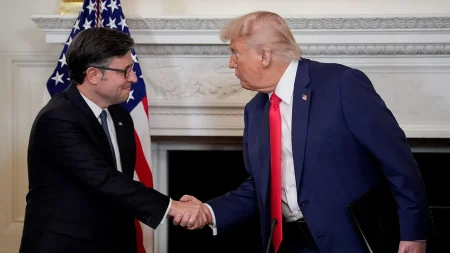






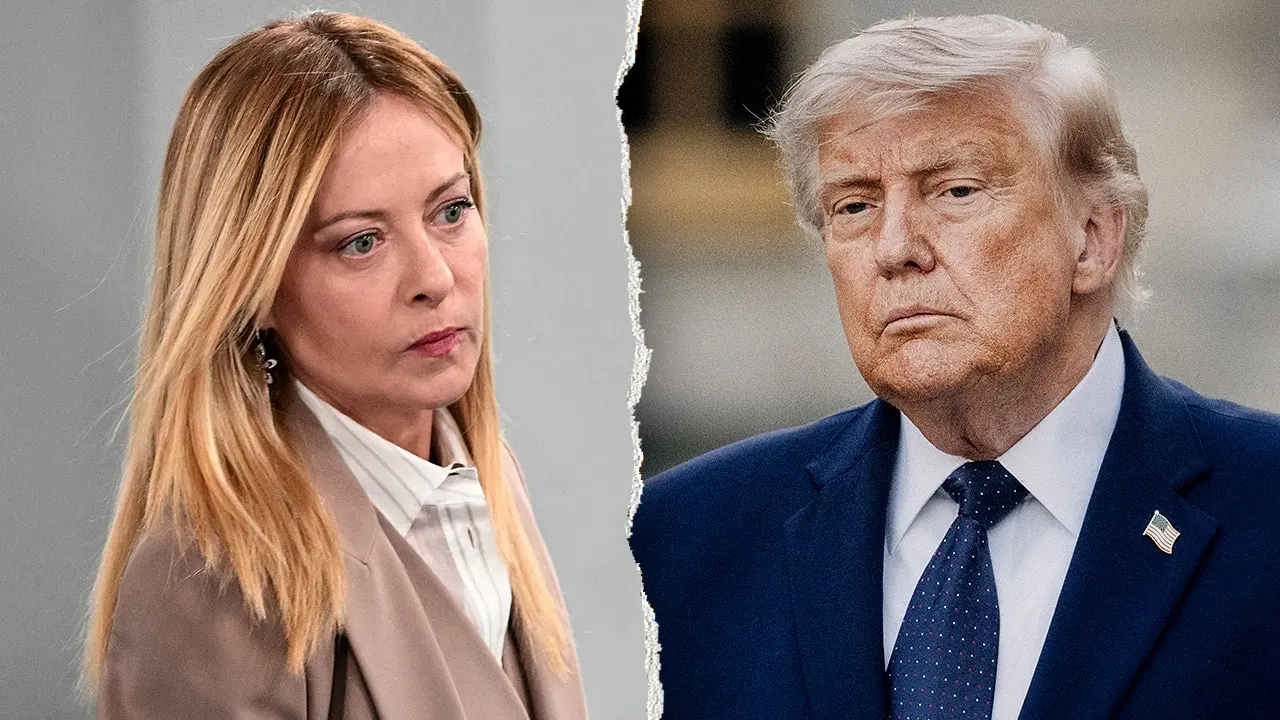
The diplomatic stage is often compared to a theater, but the escalating drama between former U.S. President Donald Trump and Italian Prime Minister Giorgia Meloni feels more like a prime-time soap opera. Ahead of the high-stakes NATO summit in Ankara, Turkey, Trump dramatically turned up the heat on their public feud by posting a photo of Meloni on Truth Social with the caption, “RESTRAINING ORDER NEEDED.” This online jab has thrown a wrench into what was once considered one of Trump’s most stable European alliances. For years, Meloni and Trump enjoyed a curiously warm political friendship, highlighted by her status as the only major European leader to attend his 2025 presidential inauguration. Now, that mutual respect seems to have evaporated, replaced by a series of very public, deeply personal insults that threaten to complicate real-world diplomacy.
The current bad blood traces back to a petty dispute during the June G7 summit. Trump publicly boasted to the Italian media that Meloni had practically “begged” him for a photograph, claiming he only agreed out of pity and patronizingly suggesting she should be grateful he even spoke to her. Meloni, known for her fierce pride and sharp political instincts, did not take the humiliation lying down. She fired back with a stinging rebuke, asserting that neither she nor Italy would ever beg, while pointedly criticizing Trump for being softer on the enemies of the Western world than on America’s actual allies. This war of words has shifted from a minor ego clash into a significant diplomatic headache, leaving onlookers wondering how two naturally aligned conservative leaders ended up so bitterly divided.
As the political elite gathers in Turkey, Italian officials are working overtime to downplay the drama and project an aura of calm professionalism. Italian Foreign Minister Antonio Tajani addressed the spat by stating that Trump’s remarks “speak for themselves,” while insisting that the long-standing, critical relationship between the United States and Italy is far too robust to be derailed by personal social media posts. Despite the brave face put on by diplomats, the tension is palpable. While no formal one-on-one meetings are scheduled between Trump and Meloni this week, they will be forced to share the same air at intimate NATO dinners and plenary sessions, making any potential face-to-face interaction a highly anticipated, and undoubtedly awkward, moment.
Beyond the childish bickering over photo-ops, there are genuine, high-stakes policy disagreements driving a wedge between the two nations. Meloni has recently faced intense pressure at home regarding Italy’s foreign policy alignments, leading her to quietly distance herself from certain aggressive U.S. positions, particularly concerning the volatile conflicts in the Middle East. Trump has expressed deep frustration over Italy’s refusal to grant U.S. military forces unrestricted access to Italian runways, a denial he slammed as a “great logistical inconvenience.” In his recent rants, Trump even attempted to link Meloni’s slipping domestic approval ratings to her refusal to fully back the U.S. on international security issues, specifically targeting her stance on preventing Iran from developing nuclear weapons.
This growing divide is deeply concerning for military strategists who recognize Italy’s indispensable role in Western security. Italy serves as a vital operational heart for American forces in Europe, hosting close to 13,000 active-duty U.S. military personnel across six strategic bases. If personal grudges are allowed to dictate bilateral policy, the logistical and defense operations of the entire NATO alliance could suffer. While Meloni’s team has chosen to stay silent and take the high road in response to the latest social media broadside, the silence from Rome speaks volumes about the frustration brewing within the Italian government over Trump’s erratic behavior.
Ultimately, this feud illustrates a defining characteristic of modern global politics: the intense personalization of foreign policy. When leaders prioritize personal pride, optics, and social media dominance over quiet, collaborative diplomacy, vital international alliances quickly become fragile. As the NATO summit unfolds in Turkey, the world will be watching to see if Trump and Meloni can put their egos aside for the sake of global stability, or if this personal grudge will continue to chip away at the historic alliance between the United States and Italy.