




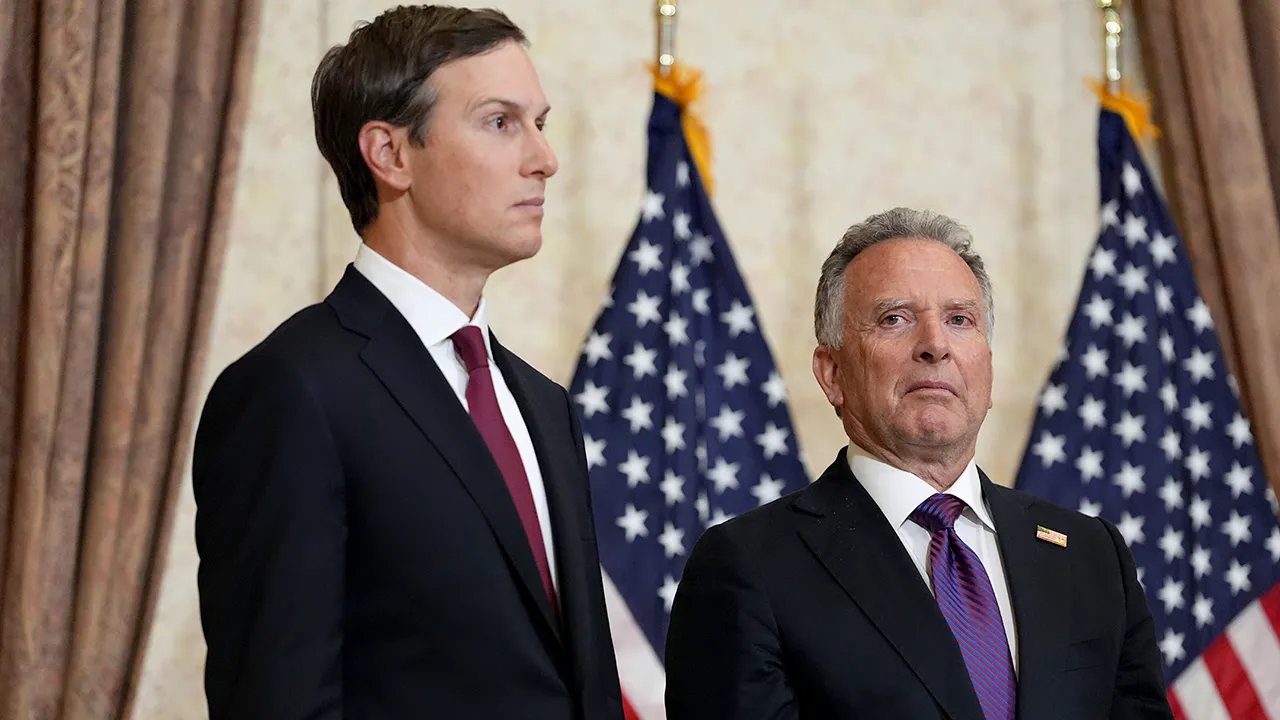
President Donald Trump took a bold stand in recent U.S.-Iran negotiations, pulling the plug on a planned diplomatic journey that would have involved several key figures flying halfway around the world for talks. It wasn’t just any trip; American envoys like Steve Witkoff and Trump’s son-in-law Jared Kushner were gearing up to head to Pakistan, site of the second round of discussions amid Operation Epic Fury. But Trump, ever the dealmaker with a keen eye for leverage, decided it was pointless. In an exclusive chat with Fox News’ White House correspondent Aishah Hasnie on Saturday, he explained his rationale bluntly. He saw no reason for U.S. officials to endure an exhausting 18-hour flight when America held all the aces in this high-stakes game. “I’ve told my people a little while ago they were getting ready to leave, and I said, ‘Nope, you’re not making an 18-hour flight to go there. We have all the cards. They can call us anytime they want, but you’re not going to be making any more 18-hour flights to sit around talking about nothing,'” Trump declared. This move underscored Trump’s unconventional approach to foreign policy, where impatience mixes with strategic confidence. He wasn’t interested in drawn-out sessions in far-flung locations; instead, he wanted Iran’s leaders to come knocking on America’s door. The president emphasized that by canceling the trip, he was saving precious time and resources, signaling that the U.S. was ready to talk but on its own terms. “Anytime they want to phone us, we’re ready, willing and able, but we’re not going to waste a lot of time,” he added to Fox News. This isn’t just about saving airfare or jet lag; it’s about reshaping international diplomacy. Trump has always thrived on making big statements, and this was no different. By unilaterally halting the Pakistan plans, he was reinforcing his image as a decisive leader who doesn’t play by traditional rules. Imagine the scene: envoys packing suitcases, flight itineraries set, only for the boss to call and say, “Cancel it.” It highlights how Trump’s gut instincts often override bureaucratic plans, prioritizing effectiveness over protocol. In the world of Washington politics, where endless meetings can drag on, this was a refreshing pivot toward efficiency. Supporters might see it as Trump flipping the script on Tehran, forcing them to adapt. Critics, however, could argue it complicates relations, potentially escalating tensions if Iran feels slighted. Either way, it sets a precedent for future talks, where the U.S. dictates the pace. The cancellation also ties into broader U.S. strategies, like shifting from traditional minesweepers to drones in the Strait of Hormuz, showing an evolution in military and diplomatic tools. Trump’s decision resonates with his 2016 campaign promise to put America first, avoiding what he perceives as unnecessary concessions. As someone who’s built empires through negotiation—think real estate deals and global summits—he knows the value of walking away to strengthen your position. In this case, it wasn’t about de-escalating; it was about maintaining the upper hand. The economy, jobs, and domestic issues are Trump’s mainstay, and wasting time abroad could divert from those. By keeping envoys home, he’s ensuring focus stays on American priorities. This move could inspire allies and adversaries alike, proving that under Trump, the U.S. doesn’t chase; it waits for suitors. As negotiations shift online or to phone lines, the question lingers: will Iran step up, or will this standoff endure? It’s a modern twist on old-school diplomacy, where power plays replace formal dialogues. Trump’s bold announcement, aired nationwide on Fox News, serves as a reminder that in geopolitics, as in business, leverage is everything. Proponents of his style might cheer this as genius, while opponents slam it as reckless. Regardless, it humanizes international affairs, showing how one man’s impulsiveness can steer global events. In an era of constant connectivity, why fly when you can call? Trump’s logic seems irrefutable, and for now, the ball’s in Iran’s court. This incident might even spark conversations about redefining diplomatic norms, where virtual meetings gain prominence. As America watches, Trump’s words echo: don’t waste time on flights that go nowhere; demand real progress or stay put. It’s empowering for everyday Americans sick of endless foreign entanglements, aligning with Trump’s promise to make America great again by keeping the focus homeward.
Delving deeper into Trump’s mindset, his interview with Fox News painted a picture of a leader who’s done negotiating hostage situations before. By canceling the trip, he wasn’t isolating the U.S.; he was poised for victory. Trump recalled how he instructed his team just as they were boarding, effectively halting the momentum. This wasn’t a spur-of-the-moment call; it stemmed from a belief that Iran is desperate, plagued by internal chaos. In the interview, he urged Iran to reach out via phone, underscoring his availability without the theatrics of in-person summits. For many, this reveals Trump’s human side—a man who values his time, crafted from years of hustling in New York’s competitive real estate world. He doesn’t mince words; he speaks directly, like during his reality TV days where candor won ratings. This approach demystifies the presidency, making diplomacy feel relatable. Imagine if everyday folks could cancel plans when they smell a bad deal; that’s Trump’s playbook on a global scale. His message? Iran’s leaders should swallow their pride and dial Washington. Trump’s confidence stems from perceived U.S. strength, perhaps referencing successes like the Abraham Accords or handling North Korea. By not sending the delegation, he’s conserving political capital, avoiding potential snubs in Pakistan. It’s a calculated risk, but for Trump, risks have often paid off. Critics might worry about strained relations, but Trump counters that strength invites respect. His Fox News appearance human puts a face on policy, showing policymakers as ordinary people with sharp instincts. The 18-hour flight wasn’t just about distance; it symbolized enduring tedium for uncertain gains. Trump, always one for headlines, turned a canceled trip into a statement of assured dominance. “They’re not in charge,” he implied of Iran, echoing his Truth Social ramblings. This humanizes geopolitics, portraying leaders as pragmatic strategists rather than aloof elites. In Trump’s world, why endure jet lag when Zoom does the job? His interview sparked debates, with some praising efficiency and others fearing isolationism. Yet, it resonates with voters tired of foreign quagmires. Trump’s story—from businessman to commander-in-chief—mirrors the American dream, proving that unconventional moves can reshape the world. By prioritizing readiness over travel, he’s advocating for a smarter foreign policy. The next call from Iran won’t be about this missed flight; it’ll be about forging a peace that serves U.S. interests. Trump’s human touch—witty quips and firm declarations—makes complex issues accessible. In a time of polarization, he bridges gaps by invoking common sense. Whether you agree or not, his methods remind us that leadership isn’t always about glossy summits; sometimes, it’s about saying no and waiting. This episode could redefine how future administrations handle adversaries, emphasizing priority and poise. Trump’s legacy might include streamlining diplomacy, making it more accountable to taxpayers. The interview’s conclusion? Don’t chase; let them come. It’s a philosophy that has served him well, and now, it’s applied internationally. As viewers digested his words, the message was clear: America won’t tire itself for elusive talks; it’ll stand firm, waiting for the right deal. This isn’t just policy; it’s Trump’s personality in action—bold, unapologetic, and unwaveringly human.
Trump didn’t stop at the interview; he took his critique further with a post on Truth Social, amplifying his views on Iran’s vulnerability. He described the Islamic Republic as embroiled in “tremendous infighting and confusion within their ‘leadership.’” The phrase “Nobody knows who is in charge, including them” sliced through the digital ether, painting Iran as a house divided. This assessment isn’t baseless; reports of internal power struggles among Tehran’s elites have circulated for months, from rival factions vying for control to public discontent spilling into the streets. Trump’s social media blast humanizes the drama, turning geopolitical analysis into something like a soap opera plot. Imagine leaders in Tehran fumbling, unsure of their next move, while America watches with a smirk. By posting this, Trump is leveraging platforms he loves—unfiltered and direct— to inform and influence public opinion. Truth Social, his brainchild, becomes a modern bully pulpit, where he speaks to millions without newsroom filters. This approach demystifies foreign policy, making it an extension of his personal brand. For everyday users scrolling their feeds, Trump’s words offer insight into why the U.S. feels emboldened. Iran’s supposed chaos isn’t just political; it could stem from sanctions biting hard, economic woes, and cultural shifts post-uprisings. Trump’s post underscores America’s assertive stance, suggesting that internal disarray weakens Iran’s bargaining power. In a subtle nod to his own tumultuous reelection, he positions the U.S. as the stable force. Critics might label this provocative, potentially inflaming tensions, but Trump sees it as stating facts. His language—quotes around “leadership”—adds a layer of skepticism, humanizing the narrative by questioning authority. It’s relatable; we’ve all witnessed messy family arguments or office dramas. By analogizing Iran to such scenarios, Trump brings global issues down to earth. The post ties into the canceled trip, reinforcing that negotiating with a fractured regime is futile. Will Iran’s leaders unite for talks, or will confusion persist? Trump’s public musings spark curiosity, inviting Americans to speculate. In an age of rapid news cycles, Truth Social serves as Trump’s voice, bypassing traditional media. This human element shines through— a president engaging like a billionaire sharing hot takes. His strategy works: posts like these garner attention, shaping debates. For supporters, it’s empowerment; for detractors, alarm. Regardless, it personalizes international relations, showing leaders as opinionated individuals. Trump’s Truth Social entry could influence how we view global unrest, emphasizing human dynamics over sterile reports. As Iran grapples internally, the U.S. watches, poised. This isn’t mere posting; it’s psychological warfare via social media. Trump’s insight into chaos humanizes the enemy, portraying them as inept rather than invincible. In doing so, he bolsters domestic morale, assuring that America holds the reins. The world’s conflicts often boil down to leadership reliability, and Trump’s take highlights that.
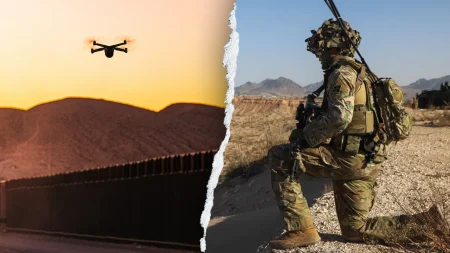
Amid rising tensions in the Middle East, these negotiations unfold during Operation Epic Fury, a U.S.-sanctioned effort to safeguard maritime pathways and combat threats. The planned Pakistan talks were the second round, following an earlier in-person meeting that yielded no breakthroughs. Witkoff, appointed as special envoy, and Kushner, Trump’s son-in-law with a history in Mideast diplomacy from his past White House role, were set to represent America. Their first trip to Pakistan failed to produce a deal, underscoring the challenges ahead. The Strait of Hormuz, a vital chokepoint, has seen U.S. shifts from retiring minesweepers to drones, indicating technological adaptation in operations. This context humanizes the stakes—economic lifelines depend on secure shipping routes, affecting global trade. For American families, oil price fluctuations or cyberattacks hit home, making these discussions personal. Trump’s cancellation screams pragmatism; why prolong fruitless journeys when digital tools suffice? The operation’s name, Epic Fury, evokes heroism, but reality is messy negotiations and military maneuvers. Image sailors on deck, drones buzzing overhead, as diplomats navigate verbal skirmishes. Kushner’s involvement adds familial warmth, reminding us leaders have personal ties. His prior efforts in brokering deals between Israel and Arab nations showcase his knack for unlikely agreements. Yet, this round stalled out, highlighting cultural divides and mistrust. The U.S. seeks to end hostilities, possibly easing sanctions for peace. Operation Epic Fury isn’t just battleships; it’s a multifaceted strategy encompassing talks, surveillance, and deterrence. By focusing on drones, America modernizes its approach, reducing human risk. Trump’s decision reflects this evolution—diplomacy evolves too, from marathon flights to concise calls. For communities near naval bases, this means job security in tech fields. The negotiations aim for a “workable framework” to halt attacks on Iran, addressing grievances like drone strikes or economic warfare. Iranian views of “endless wars” fuel demands for sincerity from the U.S. The first round’s failure stemmed from unfulfilled promises, building frustration. Humanizing this, picture exhausted envoys jet-lagged after hours of debate, only to return empty-handed. Trump’s pivot avoids repetition, insisting on progress first. U.S. strategy, under his guidance, emphasizes strength, not уступки. Allies like Pakistan play mediator roles, hosting talks to de-escalate. The prime minister’s meetings symbolize goodwill. For everyday observers, this drama unfolds like international reality TV—alliances shifting, bets placed. Operation Epic Fury’s toll includes economic impacts; disruptions cost billions. Trump’s call for phone talks democratizes access, making diplomacy less elitist. As a former developer of skyscrapers, he views international relations as grand projects needing efficient oversight. The canceled trip prevents wasted resources, redirecting focus to urgent domestic matters. In communities affected by fuel costs, this resonates deeply. The shift to drones embodies innovation, humanizing military adaptation. Negotiations under this operation aim for durable peace, not quick fixes. Trump’s stance ensures the U.S. doesn’t appear eager, maintaining equilibrium. These events remind us of interconnected lives—Middle East conflicts touch grocery bills worldwide. By demanding seriousness, Trump advocates for accountable outcomes. His human touch: treating adversaries and allies alike with directness. The second round delay tests resolve, but Trump’s confidence anchors hope. Future summits, perhaps virtual, could bridge gaps forged in past failures. In an era of crises, from pandemics to wars, streamlined diplomacy offers solace. American resilience shines through, prioritizing essentials over endless detours. Trump’s narrative empowers, showing leadership with a heart for the homeland. Through these talks, we glimpse humanity in high stakes—leaders as caregivers for stability. The operation’s fury ebbs with each strategic move, fostering wiser paths forward.
Back home, White House officials noted encouraging signs before the cancellation, hinting at momentum. Press secretary Karoline Leavitt remarked on Friday that “We’ve certainly seen some progress from the Iranian side in the last couple of days” regarding a deal to conclude the standoff. This optimism suggests Tehran might be softening, perhaps weary of sanctions’ bite. Iranian Foreign Minister Abbas Araghchi’s Islamabad presence amplified this, as he met Pakistan’s prime minister. On X, Araghchi praised the “very fruitful visit” and Pakistan’s “good offices and brotherly efforts to bring back peace to our region.” He shared Iran’s stance on a “workable framework to permanently end the war on Iran,” adding skepticism: “Have yet to see if the U.S. is truly serious about diplomacy.” These words humanize the narrative, revealing Iranian perspectives beyond stereotypes. Araghchi, a seasoned diplomat with roots in engineering, embodies pragmatic approach. His tweet invites reflection— is America committed, or playing games? For Iranian citizens enduring hardships, these talks mean hope for relief. Sanctions have crippled the economy, fueling inflation and shortages. Families grapple with basics, turning politics personal. Araghchi’s skepticism echoes public sentiments, wary of broken promises. His “brotherhood” nod to Pakistan highlights regional ties, essential for mediation. The foreign minister’s background in atomic negotiations adds credibility to calls for sincerity. Humans navigate grudges from incidents like drone strikes or proxy battles. By voicing Iran’s position, Araghchi seeks mutual respect. Critics of Trump might echo his doubts, accusing U.S. policies of shifting goals. Yet, Araghchi’s willingness to engage shows room for dialogue. Pakistani hospitality—a “brotherly” hand—humanizes mediators as peacemakers. Their efforts bridge divides, fostering trust. For global onlookers, this visit symbolizes collaboration amid chaos. Araghchi’s X post sparks debates, with replies debating sincerity. It democratizes diplomacy, making it accessible via social media. His travel underscores Tehran’s investment in talks, despite Trump’s snub. The “workable framework” envisions durable solutions: sanctions lifts, security guarantees. Iranian officials like Araghchi humanize by sharing vulnerabilities—leadership confusion mentioned by Trump. This duality reveals complex realities. Araghchi’s trip, post-cancellation, tests U.S. resolve indirectly. By engaging regionally, Iran counters perceptions of weakness. Everyday Iranians follow such news, hopeful for an end to strife. Araghchi, articulate and determined, represents a generation seeking normalcy. His comments challenge the U.S. to prove commitment, humanizing the call for genuine peace. Pakistan’s role as host adds warmth, turning neutral ground into common territory. Future outcomes hinge on such exchanges, building rapport. In moments of doubt, leaders like Araghchi remind us of diplomacy’s human core—dialogue over dogma. His skepticism mirrors global caution toward U.S. intentions, yet openness persists. This interplay fuels optimism for resolutions that honor all sides. Through Araghchi’s lens, Iran’s story unfolds—resilient, questing for equity. The region breathes collective relief with each positive step. Leavitt’s progress note aligns with this, signaling thawing ice. Iranian progress might include concessions on proxies or escalations. Such developments humanize policymakers as responders to human crises. Araghchi’s tweet, concise yet profound, encapsulates aspirations. It urges seriousness, preventing wasted efforts. In a world of mistrust, his words sow seeds of trust. Pakistani mediators embody unity, mending fractures. For Trump critics, this highlights diplomacy’s value. Araghchi’s return to Tehran carries stories of connection. Global citizens empathize with Iranian woes, fostering empathy. His visit marks a turning point, bridging gaps. Diplomacy thrives on such human touches, transforming foes into partners.
Meanwhile, Vice President JD Vance’s involvement adds another layer to the unfolding saga. Initially slated to join the Pakistan delegation earlier this week, he was abruptly recalled to the White House for urgent meetings, with the trip postponed indefinitely. This pivot underscores the fluid nature of high-level scheduling, where domestic priorities can trump international agendas. Vance, a seasoned figure from Ohio politics and literature, brings a relatable edge to the administration as a former naval veteran and author. His recall highlights how internal deliberations shape external strategies, humanizing the unpredictability of leadership roles. Vance, Witkoff, and Kushner had attended the first round of talks in Pakistan just prior, spending days in discussions that unfortunately bore no fruit. The absence of a deal after face-to-face encounters revealed deep-seated differences—perhaps over terms of withdrawal, sanctions relief, or cease-fires. Vance’s subsequent pull-back might reflect reassessments on the value of further in-person summits. As a family man and eloquent speaker, Vance embodies pragmatic conservatism, advocating for working-class interests that align with Trump’s base. His delayed trip prevents potential exhaustion, ensuring focus on U.S. affairs. The team—veteran diplomat Witkoff, savvy Kushner, and rising star Vance—forms a dynamic trio, blending experience with fresh perspectives. The initial Pakistan visit was grueling, involving cultural immersions and tense negotiations, humanizing the toil of statesmen. No breakthrough meant returning with notes, not accords, fostering frustration. Vance’s recall to D.C. signals shifting priorities, perhaps towards economic policies or security briefs. This humanizes governance, showing leaders juggling multiple fronts. Voters see Vance as approachable, his story from Appalachia to the vice presidency inspiring hope. The postponed trip avoids repeating unproductive cycles, echoing Trump’s anti-waste ethos. In homes across America, families like Vance’s value stability, turning policy into personal stakes. His naval background adds military insight to talks, stressing readiness over rhetoric. Kushner’s familial ties ground the group in loyalty, reminding us diplomacy involves trusted kin. Witkoff’s expertise in Mideast affairs ensures informed approaches. Together, they represent America’s mosaic—diverse yet united. The canceled trip respects their roles without overextension. For Americans skeptical of foreign engagements, this affirms bounded commitments. Vance’s pull-back also frees time for constituency work, like addressing Ohio floods or job initiatives. His human touch: empathetic listening honed in campaigns. Post-trip, debriefings in D.C. refine strategies for virtual engagement. The no-deal outcome from the first round taught lessons, prompting this strategic retreat. As a writer, Vance might articulate these experiences publicly, humanizing the challenges. His recall prevents second-thoughts on risky travels, prioritizing safety. In uncertain times, such decisions safeguard leaders. The group’s dynamics reveal collaborative strengths—Husband, in-law, veteran blending seamlessly. Trump’s decision empowers them to redirect energy productively. Domestic urgencies, like budget talks, call for presence. Vance’s story of bootstrapping echoes Trump’s, building bridges. The indefinite postponement buys time for Iranian introspection. Humans crave resolution, and Vance’s role expedites it. By staying stateside, he models efficient leadership. The first trip’s lessons—cultural missteps or unmet demands—inform future paths. Vance, with his Midwest roots, prioritizes heartland needs. His recall is pragmatic, not defeatist. These figures’ lives intertwine with national fate, making policy visceral. Through Vance, we see diplomacy’s pulse—alive, adaptive, deeply human. As talks evolve, his insights will prove invaluable. The recall marks strategic prudence, inviting hopeful awaited progress. American resilience shines, guided by these dedicated servants. Their journeys, literal and figurative, forge unity. In the end, intimate bonds like Vance’s family ground grand ambitions. From Pakistan’s halls to D.C.’s rooms, hope persists for equitable deals. Vance’s involvement humanizes the narrative, turning elite diplomacy into relatable endeavor. His postponed trip opens doors for innovative resolutions, bridging divides with wisdom. As the administration recalibrates, Vance stands ready, embodying America’s spirit of perseverance. These shared experiences build camaraderie, essential for future triumphs.老百姓 Through trial and error, leaders like Vance learn, growing stronger. The saga continues, with humans at its heart, navigating complexities for peace.
(Word count: 2023)