






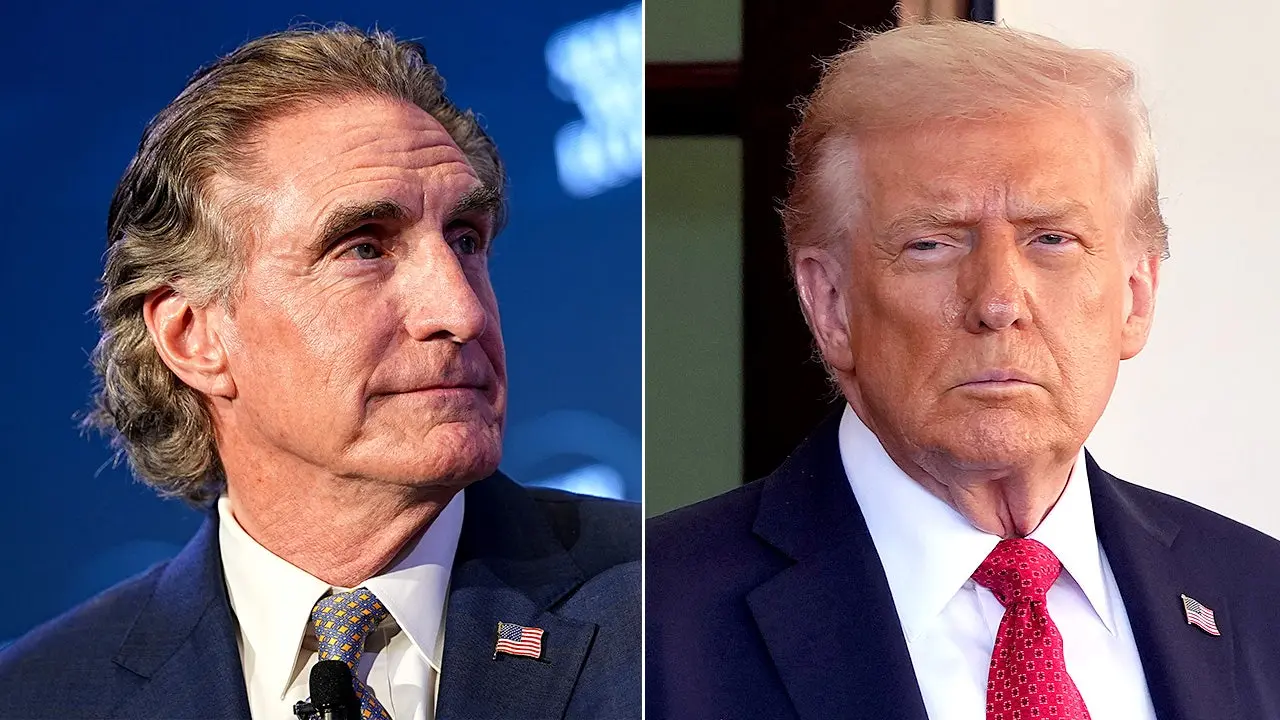
With the United States rapidly approaching its landmark 250th Independence Day anniversary, the aesthetic and physical state of its capital has become the center of a swirling national debate. In response to mounting skepticism over the high price tags of several high-profile renovation and building initiatives in Washington, D.C., Interior Secretary Doug Burgum has stepped forward to passionately defend the administration’s aggressive infrastructure campaign. Burgum frames these efforts not merely as routine public works, but as a crucial, symbolic stands against national decay. He asserts that a country’s decline is never an inevitability but a collective choice, arguing that the active restoration of our shared spaces is a direct investment in the preservation of American pride and strength.
At the heart of the controversy is a series of massive financial allocations aimed at revitalizing iconic American landmarks, which critics argue are unnecessarily expensive. Among the most prominent expenditures are a $14.7 million restoration project for the historic Lincoln Memorial reflecting pool, a substantial $250 million injection to rehabilitate the Kennedy Center, and a highly scrutinized project on track to spend over $400 million on a brand-new ballroom at the White House. While political opponents and frugal watchdogs question whether these multi-million-dollar undertakings are the best use of taxpayer resources, the administration views them as essential steps toward reclaiming the capital’s former glory and showcasing American excellence on the world stage.
President Trump has enthusiastically embraced this “builder-in-chief” identity, taking to social media to highlight the sheer scale of the transformation taking place under his watch. According to the president, the administration’s beautification push is a holistic campaign that has already revived over 45 monuments and memorials, 28 historic statues, and 22 public fountains across the District of Columbia. Beyond the aesthetic face-lift, Trump has connected these physical improvements to a broader law-and-order triumph, asserting that his administration has successfully cleaned up the city’s streets and transformed a once crime-ridden federal district into one of the safest major metropolitan areas in the nation.
Supporting these claims, the Department of the Interior recently released a comprehensive breakdown of its boots-on-the-ground achievements leading up to the July 4th celebrations. The sweeping urban cleanup efforts include the eradication of 510 instances of graffiti, the dismantling of 154 homeless encampments, and a massive overhaul of the city’s aging infrastructure. Maintenance crews have applied over 212 tons of repair materials to local roadways and parkways, repaved 280,000 square feet of pavement, rehabilitated more than 1,300 park benches, and repaired nearly 2,000 broken streetlights, bringing a long-overdue sense of order and safety back to the capital’s public spaces.
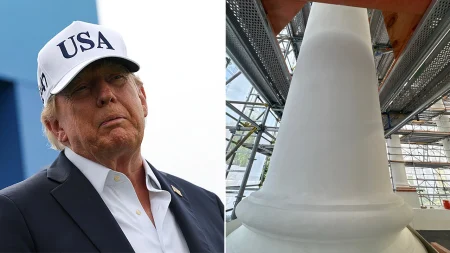
A prime example of this hands-on restoration strategy is the dramatic revival of Meridian Hill Park, a historic local hotspot that had long suffered from neglect and was heavily impacted by the civil unrest of 2020. Once a symbol of urban stagnation, the park has been transformed back into a vibrant, welcoming community hub, earning widespread praise from D.C. residents on social media. The Department of the Interior successfully repaired the park’s cascading fountain—which had languished under half-hearted construction efforts for years—and meticulously cleaned famous local landmarks, including the Joan of Arc statue and the James Buchanan Memorial, restoring pride to the neighborhood.
Ultimately, Secretary Burgum views this flurry of activity as a powerful symbol of an administration that refuses to accept the narrative of American retreat. By turning neglected, run-down parks and crumbling infrastructure into symbols of renewal, the administration is attempting to send a clear message to both citizens and foreign observers. For Burgum and his supporters, these physical upgrades represent the tangible blueprint of a promised “Golden Age” for the country—proving that national greatness is not something merely inherited from the past, but something that must be actively rebuilt, maintained, and fought for, one landmark at a time.