


Here is a humanized and summarized version of the news report, crafted into a flowing 6-paragraph article.
—
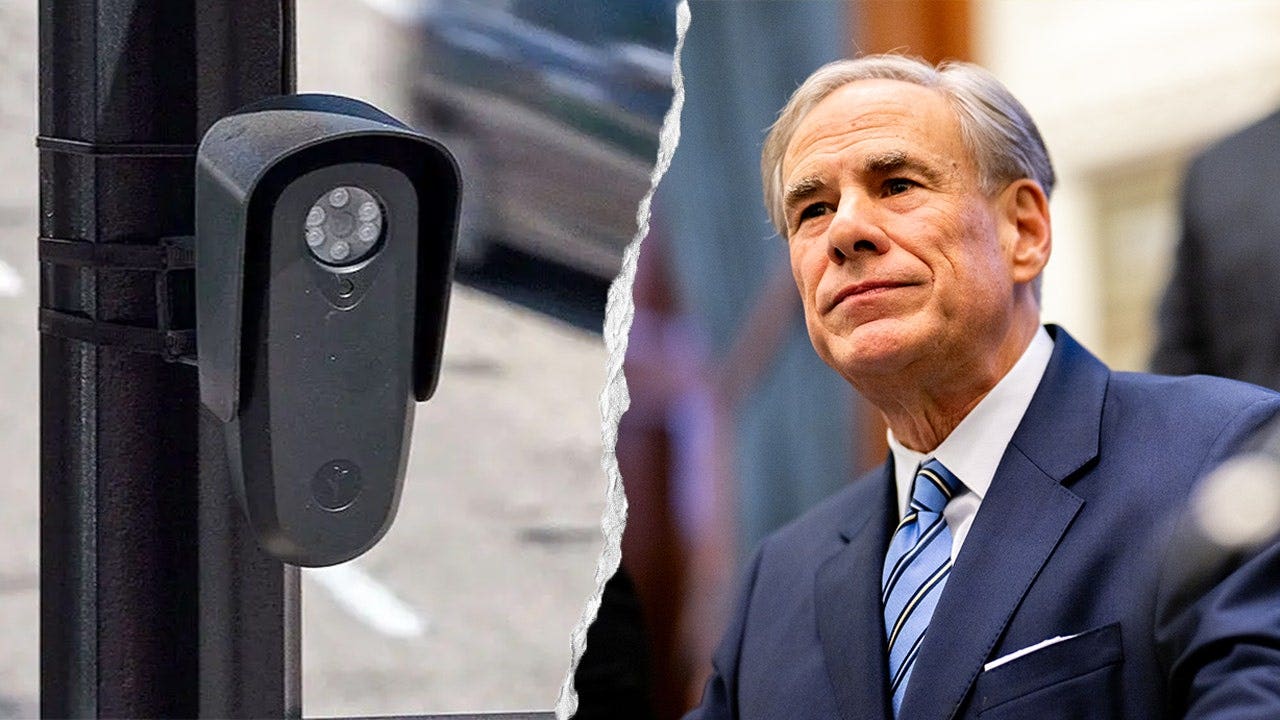
The debate over surveillance technology in Texas has reached a critical juncture. Governor Greg Abbott has ordered a pause on all state agency funding for the controversial Flock Safety cameras, a move that throws the future of the high-tech surveillance network into question. The decision comes as the company faces mounting criticism from both privacy advocates and local communities who are growing increasingly uncomfortable with the permanent, watchful eye of automated license plate readers.
At the heart of the issue is a clash between public safety and personal privacy. Flock’s cameras, which use artificial intelligence to scan and record the license plates of passing vehicles, have been touted by law enforcement as a powerful tool for solving crimes, from auto theft to violent offenses. However, critics argue that the technology creates a de facto surveillance state, allowing police to track the movements of everyday citizens who have done nothing wrong. Governor Abbott’s office has made it clear that while the state is stepping back, it is not entirely severing ties. The governor’s spokesperson, Andrew Mahaleris, clarified that the pause targets state-funded grants, noting that the majority of the funding for these cameras comes from the federal government. He added that any agencies receiving Texas funds are being instructed that those specific dollars cannot be used for Flock cameras.
The pause is not just a top-down decision from Austin; it reflects a growing grassroots backlash across the state. A wave of Texas cities and counties are reconsidering their relationships with the surveillance company. The city of Pflugerville is a recent example, where the city council voted unanimously to terminate its contract with Flock, removing all 28 of its cameras and disabling access to the system. In a similar show of local sovereignty, Hood County’s Commissioners Court voted to end its own agreement and ordered the county’s three cameras to be disconnected and covered until they can be permanently removed. These local actions signal that concerns about privacy and data collection are resonating with residents, who are increasingly questioning whether the benefits of the technology outweigh its costs to civil liberties.
The company behind the cameras, Flock Safety, is pushing back against what it perceives as a misunderstanding of its mission. In a statement, spokesperson Paris Lewbel defended the technology as a vital “public safety tool” that helps officers in Texas solve serious crimes, locate missing people, and recover stolen vehicles. Lewbel emphasized the company’s commitment to responsible use, stating that Flock supports “thoughtful legislation and strong privacy, transparency, and accountability guardrails.” The company argues that the data collected is not open to unfettered access and is used strictly for investigative purposes, not general monitoring. They position their product as a deterrent to crime and a force multiplier for under-resourced police departments, helping them do more with less.
However, the national scrutiny on Flock is intensifying beyond the borders of Texas. The controversy has reached the halls of Congress, where Missouri Senator Josh Hawley has launched an investigation into the company’s vast data-collection empire. Hawley’s concerns are alarmingly specific: Flock boasts a network of more than 120,000 cameras spread across 49 states, capturing over 20 billion vehicle scans every single month. The senator is demanding to know who has access to this colossal database—a digital map of the comings and goings of hundreds of millions of Americans. This investigation highlights the soaring scale and reach of Flock’s network, turning what was once a niche tool for police into a sprawling, nationwide data-collection enterprise that rivals the capabilities of federal agencies.
The situation is further complicated by the funding structure that allowed these cameras to proliferate so quickly. The Texas grants traced back to a 2023 state law designed to combat rampant catalytic converter theft, which added a $1 fee to vehicle insurance policies. This money was meant to support law enforcement in tackling this specific, costly crime. But as the funds flowed, they were used to purchase Flock cameras, expanding a surveillance network that critics say goes far beyond the original intent of the legislation. This financial sleight of hand has angered both conservative privacy advocates and civil liberties groups, who argue the public’s money is being used to build a system of mass tracking that was never clearly approved by the taxpayers. Even Texas Agriculture Commissioner Sid Miller, a Republican, has penned an op-ed urging Governor Abbott to halt these purchases.
Ultimately, Governor Abbott’s pause is a reflection of shifting political winds on the right and a broader societal reckoning with surveillance technology. While a complete ban is not yet in place, the halt on state funding is a significant first step that could force many smaller cities—which rely heavily on state grants—to reconsider their use of the cameras. The move validates the concerns of local residents and empowers more communities to follow suit. As the legal and ethical debates continue to rage, a crucial question emerges: in the fight for public safety, are we sacrificing the very privacy that makes our communities free? The decision in Texas may well set a precedent for how the rest of the nation navigates the fine line between technological security and the fundamental right to go about our daily lives without being watched.