





The Rise of AI in Everyday Transactions: A Lesson from New York’s Rental Cars
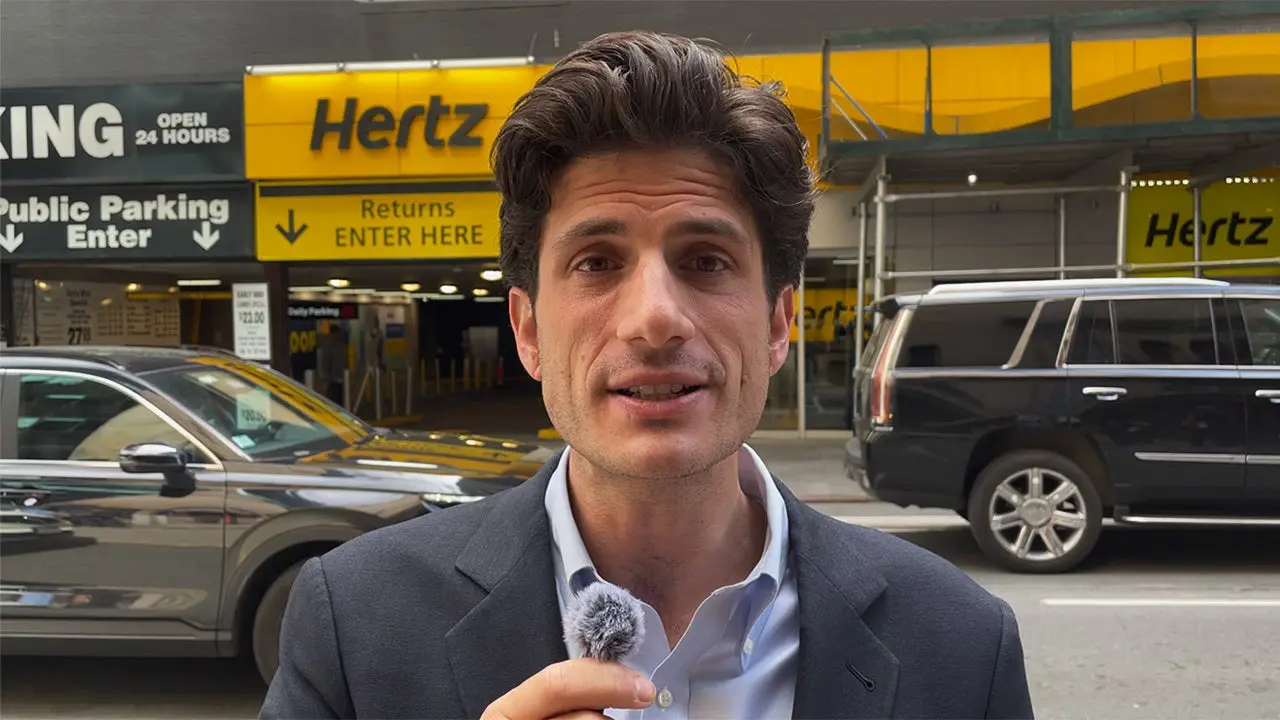
Imagine you’re a busy New Yorker renting a car for a quick getaway over Memorial Day weekend. The sun is shining, the beaches are calling, but as you drop off the vehicle at Hertz, you get slapped with an unexpected charge for a tiny scuff. Not just any scratch— something so minute it’s invisible to the naked eye. Sounds frustrating, right? Well, that’s the reality for some customers dealing with the company’s new AI-powered damage detection system. Democratic congressional candidate Jack Schlossberg, grandson of the iconic President John F. Kennedy, is sounding the alarm, urging the Federal Trade Commission to investigate whether this tech is unfairly pulling the wool over consumers’ eyes. As JFK’s heir, Schlossberg brings a storied lineage to his campaign, but he’s channeling it into modern issues like this, fighting what he sees as corporate overreach in an era of rapid technological change. He sat down with Fox News Digital outside a bustling Hertz location in midtown Manhattan, his voice steady and concerned, painting AI as a double-edged sword that could gouge everyday people while boosting profits for big businesses. It’s a story that hits close to home for anyone who’s ever rented a car— picture yourself, after a long trip, only to face a $440 bill for something you swear wasn’t there when you picked it up. Schlossberg’s worried this is just the tip of the iceberg, signaling a future where hidden algorithms decide your wallet’s fate without giving you a fair shot to prove your innocence.
Schlossberg’s push stems from real customer horror stories, like one shared in a report from The Drive. A renter dropped off his vehicle, all seemingly pristine, only to be hit with charges almost instantly. The AI flagged a 1-inch scuff on the rear wheel, invisible to human inspectors, and charged a whopping $440: $250 for the fix, $125 in processing, and a $65 fee on top. When he tried to fight it, the system’s chatbot was about as helpful as a broken vending machine—it looped him in endless reviews without letting him talk to a live person. Frustrating doesn’t begin to cover it. Schlossberg, with his Camelot roots but modern outsider vibe, sees this as emblematic of a broader problem. AI, he argues, is creeping into financial decisions where consumers have little say, potentially violating trust. From JFK’s charismatic era to today’s digital frontier, Schlossberg is positioning himself as the guy who won’t let AI run roughshod over the little folks. In a statement from his campaign, they blasted quiet influencers in New York politics who might favor tech giants, warning that “innovation must not come at the expense of the consumer.” It’s a call to action that’s resonating, especially as summer travel ramps up—people need to know they’re not just renting cars; they’re stepping into a system that might charge them for air.
Digging deeper, the tech behind this is fascinating yet alarming. Hertz partnered with an Israel-based company called Uveye to roll out cameras and machine-learning algorithms at airport spots last year. The goal? To make inspections faster, more accurate, and ditch the old manual ways. Car & Driver reported that it’s meant to improve “frequency, accuracy, and efficiency,” which sounds great for a busy outfit managing thousands of vehicles. But Schlossberg sees the dark side: What if the AI hallucinates damages or flags normal wear and tear? He wants the FTC to not just poke around but take concrete steps—launch a full probe, rule if this is deceptive under federal law, set strict guidelines for AI in consumer finance, and make sure disputes are simple and fair. If he wins his June 23 primary in New York’s heavily Democratic 12th District, he’ll push to turn these into law. Listening to him, it’s easy to picture a future where your bank statement is dictated by some opaque code, squeezing every last cent. He told Fox News Digital, “This is the new frontier of corporate fine print,” evoking images of distant relatives poring over bewildering contracts. It’s humanizing the anxiety: We trust machines for convenience, but what if they betray us?
Of course, Hertz isn’t backing down. In their defense to Fox News Digital, a spokesperson championed the tech as a win for everyone. “Digital vehicle inspections bring precision and transparency to a historically manual and inconsistent process,” they said, emphasizing safety, quality, and fleet reliability. They even claim it protects renters from being billed for pre-existing damage. Since going live over a year ago, they’ve listened to feedback—beefing up communications, support channels, and awareness at locations. Customers get detailed reports with before-and-after photos, and claims come with multiple ways to reach human help via email, phone, or chat. So, is this a villainous plot or a genuine upgrade? The company insists they’re committed to improvement, providing a “more consistent rental experience.” It’s like a tech startup’s ethos infused into car rentals. But Schlossberg’s camp counters that charges for invisible damage fly against that promise. Trying to humanize both sides, Hertz’s take feels like a well-intentioned fix that might still feel clinical to customers sticking with old ways. Data shows the process works for accuracy, but emotionally, it’s hard to shake the feeling of being outmatched by a machine.
As Memorial Day looms and New Yorkers pack for escapes, Schlossberg’s April announcement feels timely—aimed at catching folks before they book. He warned about pitfalls in emerging AI landscapes, urging awareness. The FTC stayed mum when asked for comment, but the debate highlights bigger questions about who controls our digital wallet. Schlossberg, shaking up the NYC Democratic scene as an “outsider” against the party machine, draws parallels to his grandfather’s battles. JFK championed progress with safeguards; here, his grandson fights for consumers in a high-tech age. It’s inspiring to see a Kennedy legacy evolve— from moon landings to regulating robots. Voters in NY-12, where the primary winner likely cruises to Congress, are buzzing about this issue. Schlossberg isn’t just a name; he’s a voice for everyday frustrations, making the impersonal personal again. When you think about it, haven’t we all been nickel-and-dimed by corporations? This could be the spark for change.
Ultimately, this story is about balance in innovation. AI has dazzled us with promises of efficiency, from Hertz’s fleet management to global advances, but it mustn’t erode fairness. Schlossberg’s vision calls for maternal oversight—what he calls ‘building in instincts’ to protect us. A top AI expert once warned machines might outthink humans soon, urging checks. In the rental world, that means not letting codes charge for phantoms. As we embrace tech, let’s preserve human appeal: transparent processes, real conversations, fair outcomes. For now, New York renters should inspect their cars like detectives, but Schlossberg’s ideas aim to codify rights for all. It’s a reminder: Technology serves people, not the other way around. In our connected lives, stories like this humanize the pushback— one candidate’s stand could reshape consumer protection forever. Whether Schlossberg wins or not, his message lingers: Guard against the machines, or they might rerun the Kennedy era’s optimism into a profit-driven glitch. And that’s a lesson worth heeding as AI weaves into our daily decisions, from rentals to beyond.