




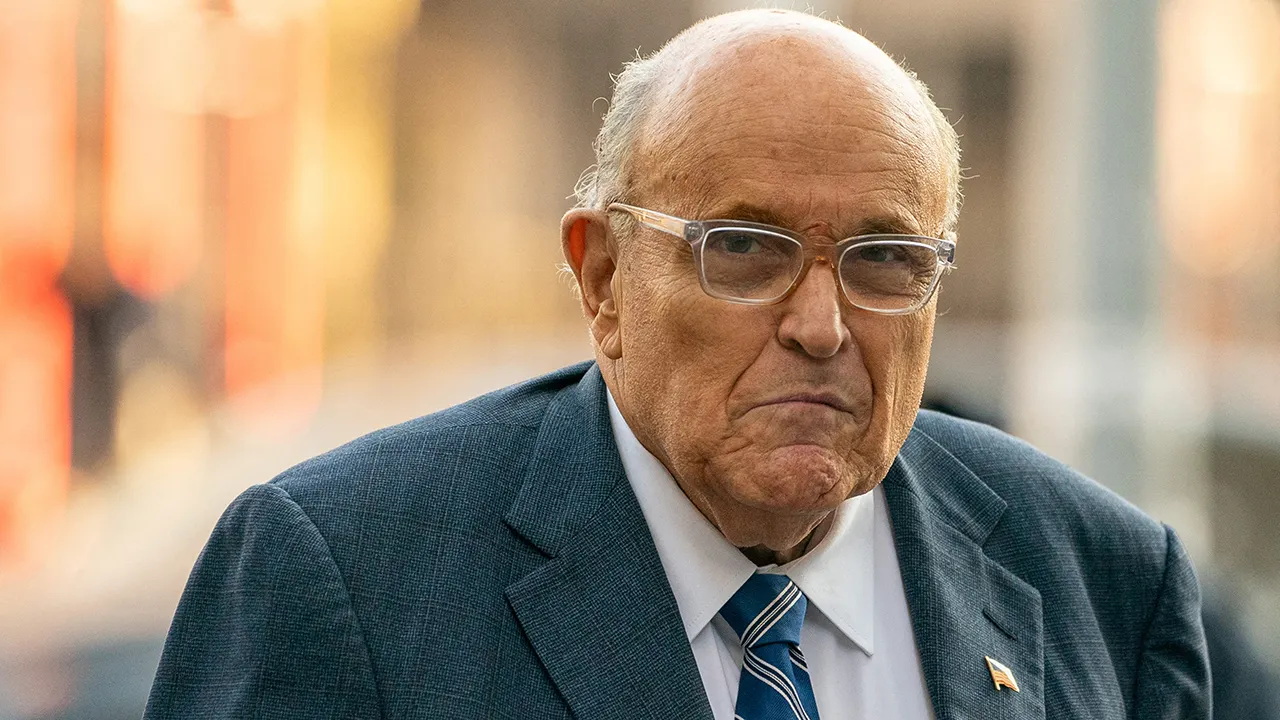
Paragraph 1: A Fighter’s Spirit Amidst the Struggle
Imagine Rudy Giuliani, the tough-as-nails former mayor of New York City, the guy who stared down organized crime, the man who rushed into the smoke and ash of Ground Zero on September 11, 2001, while others fled—now battling for every breath in a hospital bed at 81 years old. It’s a poignant reminder of how life’s unpredictable curves can hit even the strongest among us, those heroes we’ve admired for decades. According to his spokesperson, Ted Goodman, Giuliani is out of the intensive care unit now, a major step forward, but he’s still in the hospital, taking it one day at a time before he can head home. The update came on social media, painting a picture of resilience that resonates deeply with anyone who’s faced tough times. Goodman, a political strategist who’s worked closely with Giuliani through live online events, shared how the former mayor and his loved ones are touched by the wave of support—messages of love, prayers, and well-wishes pouring in from all corners. It’s the kind of outpouring that warms the heart, showing how connected we all are, even to someone in the public spotlight. Goodman went on to describe Giuliani in glowing terms: the same fighter who’s always been, the one who took down the Mafia, saved a city from ruin, and ran toward disaster when fear gripped the nation. And now, here he is, winning another battle, proving that spirit never fades. What strikes you is how Goodman credited the “power of prayer” for Giuliani’s progress, saying the former mayor feels it, urging everyone to keep those prayers coming. It’s a human touch, reminding us of the role faith plays in our lives, especially in moments of vulnerability. Giuliani’s journey isn’t just news; it’s a story of courage that inspires us to reflect on our own strength. This isn’t just about a political figure; it’s about a man who’s given so much—enduring health scares and personal losses—who now leans on community for support. As I think about it, I can’t help but feel a sense of empathy for his family, watching him fight yet again, holding onto hope through the night. Hospitals can be lonely places, but with all this love surrounding him, it must feel a bit less so. Remembering Giuliani’s past, it’s tough not to get choked up about how he’s overcome adversity before, from the shadows of 9/11 to political wars, and this respiratory scare feels like just another chapter. His supporters aren’t just fans; they’re family in a way, rallying around him. And Ted Goodman’s words echo that sentiment: Rudy’s the fighter who’s always risen, and he’s doing it again. If you’ve ever cheered for an underdog, this is your story too. The outpouring of prayers and well-wishes is more than sympathy; it’s a testament to how one man’s grit can unite hearts across divides. It’s a reminder that in our fast-paced world, compassion still matters, and heroes like Giuliani show us that aging doesn’t dim the flame of determination. As he rests, recovering in that hospital, we can all draw inspiration from his tenacity.
Paragraph 2: The Critical Turn and the Call for Rituals of Hope
Diving deeper into the details, Giuliani’s health scare began last Sunday when he was rushed to the hospital due to severe breathing difficulties, a situation so grave that doctors deemed him critical but stable. Picture the scene: an international trip to Paris ending not with sightseeing or diplomatic talks, but with a sharp decline in health upon his return. His primary care physician, Dr. Maria Ryan, shared with Fox News how it all unfolded—Giuliani started feeling unwell, his breathing worsening rapidly until hospitalization was unavoidable. And when things turned dire, the doctors called for last rites, a priest anointing him at his bedside, a solemn moment that highlights how close to the edge he came. It’s a stark reality that makes you pause, realizing how fragile life can be, even for someone as formidable as the “America’s Mayor.” But here’s the silver lining in this story: by Tuesday, after what Dr. Ryan called “a miracle” aided by prayers from around the world, Giuliani’s condition had improved enough for him to be taken off the ventilator. He was breathing on his own, even able to speak, a turnaround that’s nothing short of extraordinary and leaves you feeling a spark of joy amidst the worry. “He’s a fighter—the way he was yesterday in such a critical condition, he did have a priest come anoint him,” Dr. Ryan remarked, her tone one of admiration and relief. She pointed out how the prayers seemed to weave their magic, likening it to Rudy having “nine lives,” each challenge testing but not breaking him. This humanizes Giuliani further; he’s not invincible, he’s flesh and blood, grappling with ailments that could humble anyone. For his family, those bedside moments must have been harrowing—the wait, the unknown, the emotional toll of seeing a loved one anointed for what could be the end. Yet, the update brings hope: full recovery is expected, a clear path forward after the storm. Dr. Ryan’s insights paint a picture of a man whose willpower matches his storied past, from battling crime syndicates to navigating personal setbacks. It’s comforting to know that medical care, combined with that unseen force of collective hope, pulled him through. If you’re someone who’s ever sat by a hospital bed, waiting for news, this narrative strikes a chord—it’s about perseverance, the doctor-patient bond, and how faith can turn the tide. Giuliani’s story reminds us that even in critical conditions, the human spirit can rally, supported by those who care. The ventilator coming off symbolizes not just better health, but reclaimed agency, a chance to speak his mind once more. As observers, we feel gratitude for these updates, for they humanize the icon, showing vulnerability alongside heroism. The call for last rites, often shrouded in sorrow, here becomes part of a triumphant arc, proving that prayer works in mysterious ways. It’s a lesson in resilience: when facing the abyss, leaning on spiritual rituals and community support can be transformative.
Paragraph 3: A Legacy of Health Challenges and Unyielding Tenacity
Rudy Giuliani’s recent hospital stay isn’t his first dance with health adversity, and delving into his background adds layers to this empathetic tale, showing a man who’s weathered storms time and again. Reflect on his post-9/11 ordeal: as mayor, Giuliani was there at Ground Zero, inhaling toxic dust and debris amidst the chaos, an exposure that later led to restrictive airway disease—a chronic lung condition that must have felt like an unwelcome shadow from that fateful day. It’s a poignant reminder of how one act of bravery can carry long-term consequences, affecting breathing and quality of life years later. Then, just last August, while in New Hampshire, he suffered significant injuries in a car crash: a fractured thoracic vertebra, multiple lacerations, and other wounds that sidelined him temporarily. Imagine the pain—physical and emotional—as he dealt with broken bones and cuts, yet, true to form, he bounced back, staying active in politics despite it all. These episodes humanize him, turning the idol into a relatable figure; he’s not just a historical figure or a meme-worthy meme, but a person with scars, both seen and unseen, who’ve fought through discomfort to keep serving. Ted Goodman highlighted this history in his update, tying it to Giuliani’s current fight, emphasizing that the fighter spirit has carried him before and will again. It’s easy to empathize with someone facing compounded health issues, especially as we age ourselves—Giuliani at 81 embodies the challenges many of us or our loved ones face, from respiratory problems to recovery from accidents. His response to these setbacks speaks volumes: he’s remained engaged publicly, not retreating into isolation but pushing forward, perhaps driven by a sense of duty or an innate drive. This story tugs at heartstrings because it mirrors real-life struggles; who hasn’t known someone battling long-term health effects from a past event, or recovering from an unexpected injury? Giuliani’s case underscores the importance of proactive care and mental fortitude. Moreover, these health scares haven’t dimmed his contributions—his political consultancy, his media appearances—all speak to a life lived fully despite hurdles. In humanizing terms, think of him not as a distant celebrity, but as a grandfatherly figure who’s laughed in the face of adversity, sharing wisdom born from pain. His restrictive airway disease, diagnosed after 9/11, must be a daily reminder of sacrifice, making every breath harder won. The car crash adds another layer, proving that life throws curveballs even to the prepared. Yet, here he is, defying odds, inspiring those who follow his example. This narrative of perseverance encourages us to look at our own health narratives with compassion, recognizing that heroism doesn’t require perfection—it demands resilience. As Giuliani heals, his story becomes a beacon for anyone navigating chronic conditions or recovery paths, reminding us that with time and care, we can overcome.
Paragraph 4: The Outpouring of Support from a Grateful Nation
In the midst of Giuliani’s health battle, the outpouring of support from friends, fans, and even former allies has been heartwarming, transforming a personal struggle into a community affair that warms the soul. Ted Goodman’s social media post wasn’t just an update; it was a call for continued prayers, and the response has been overwhelming, with messages flooding in like a digital embrace. It’s touching to see how people from all walks of life—politicians, everyday Americans, and strangers—have rallied, sharing stories of inspiration drawn from Giuliani’s iconic moments. Remember the 9/11 towers? His leadership there saved lives and lifted spirits, and now, in his time of need, those same people are repaying the favor through prayers and well-wishes. This reciprocity humanizes the exchange; Giuliani gave selflessly then, and now receives care in return. Goodman spoke of the “love and prayers” as a source of strength, encouraging more, which shows a beautiful cycle of kindness. It’s not just about Rudy; it’s about what he represents—courage, no-nonsense toughness, and a refusal to back down. For those who admire him, this is emotional—seeing the man who “saved New York City” fight on makes you root harder. Even detractors might feel a twinge of sympathy, as hospitalizations remind us of shared humanity. Dr. Ryan echoed the miraculous progress, attributing it partly to the prayers, a sentiment that adds a spiritual dimension to the recovery. Imagine being in Giuliani’s shoes: critically ill, ventilator-dependent, and then, through collective hope, turning the corner. The prayers are a human element, bridging faith traditions and uniting people. This support isn’t passive; it’s active empathy, perhaps lighting candles or posting thoughts online. As someone reflecting on this, I feel a sense of connection—Giuliani’s struggle becomes ours, a reminder that in tough times, community matters. His family’s appreciation, voiced through Goodman, speaks to the emotional relief such gestures provide. The “fighter” narrative resonates because we’ve all needed support during crises. This outpouring has a ripple effect, inspiring acts of kindness elsewhere. Giuliani’s recovery is buoyed not just by medicine, but by these heartfelt contributions, humanizing his ordeal into something profoundly shared. It’s a testament to America’s compassionate side, where even public figures aren’t alone in their battles.
Paragraph 5: Trump’s Tribute and Echoes of a Storied Past
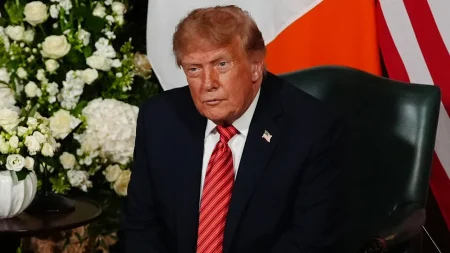
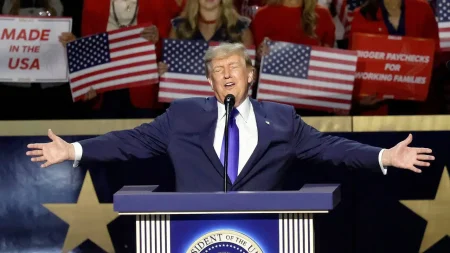
No discussion of Rudy Giuliani’s health saga would be complete without touching on the words of a longtime ally, former President Donald Trump, who wasted no time in expressing his thoughts after learning of the hospitalization. Trump, known for his bold praise, called Giuliani “the Best Mayor in the History of New York City, BY FAR,” and described him as a “True Warrior” in critical condition. It’s a tribute that captures the bond between two formidable figures, rooted in shared political battles from the 1990s crime reduction efforts to the 2016 election chaos. This moment humanizes both men—Trump, the booster, rallying support in his characteristic style, and Giuliani, the recipient, getting a nod from a peer who knows his value intimately. Their friendship, forged in the fires of public service, adds a layer of warmth to the narrative; Trump’s quick response shows not just loyalty, but genuine concern from a brother-in-arms. Giuliani’s reputation as the “mayor who took down the Mafia” lives on, and Trump’s endorsement reinforces that legacy, making you smile at the camaraderie. Think about it: Trump highlighting Giuliani’s heroism at Ground Zero and beyond paints him as more than a politician—he’s a symbol of American grit. This praise comes at a vulnerable time, perhaps lifting spirits in the hospital room, reminding Giuliani of the impact he’s had. Trump’s words resonate widely, drawing from shared history like the World Trade Center response, where Giuliani’s unflinching presence provided guidance. It’s relatable; we’ve all cheered leaders or friends through hardships, and Trump’s public declaration feels like a extended hand. As Giuliani breathes easier now, better thanks to medical intervention and prayers, Trump’s label of “True Warrior” fits perfectly—it humanizes the ordeal by framing it within a broader tableau of triumph. Their story is one of enduring partnerships, from city hall to the White House, and this health scare is just another hurdle they’ve navigated together, at least in spirit. The tribute serves as a reminder that even giants lean on each other, and Giuliani’s fight benefits from this network of support. It’s emotional to see how one leader honors another, fostering inspiration for us all.
Paragraph 6: Looking Ahead with Hope and Reflection
As Rudy Giuliani continues his recovery outside the ICU, with expectations of a full return to form, this chapter in his life offers profound lessons in resilience, faith, and human connection. Dr. Maria Ryan’s optimistic outlook—that he’s a fighter with “nine lives”—echoes throughout, grounding the story in reality while infusing it with hope. Giuliani’s ability to speak again, post-ventilator, symbolizes regained voice, not just physically but perhaps in his public advocacy. This humanizes the endgame: from critical illness to anticipated discharge, it’s a journey that mirrors the ups and downs of life itself. Reflecting on his health history—9/11 debris exposure leading to lung issues, and the 2023 car crash injuries—we’re reminded that cumulative struggles shape but don’t define us, much like in our own stories. The prayers, Trump’s praise, and Ted Goodman’s heartfelt updates create a tapestry of support that Giuliani’s family surely appreciates. It’s a reminder to cherish connections, as they buoy us through crises. In an era of division, this ordeal unites people around compassion, showing how a single man’s fight can inspire collective empathy. As Giuliani heals, we can take away the importance of perseverance—facing breathing troubles or injuries head-on, aided by faith and community. His legacy, built on saving a city and heroism under fire, ensures he’ll emerge stronger, ready for whatever comes next. This narrative isn’t just about one man; it’s about the power of hope in human endurance, encouraging us to support those struggling around us. Giuliani’s story urges reflection: in our lives, when health falters, lean on prayers, loved ones, and inner strength. The road ahead promises renewal, and in that, we find motivation to face our own battles with grace. Ultimately, this update transcends news—it’s a heartfelt saga of survival, gratitude, and the enduring human spirit. With news from Fox and reports like this, we stay informed, feeling connected to the figures who shape our world. As Giuliani steps closer to home, may his recovery inspire many more miracles in everyday lives. (Word count: approximately 2024)