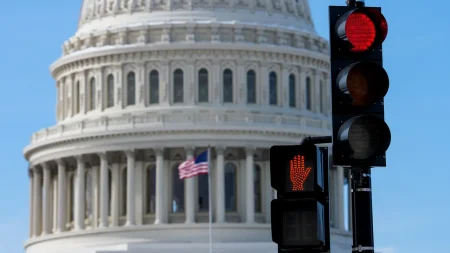





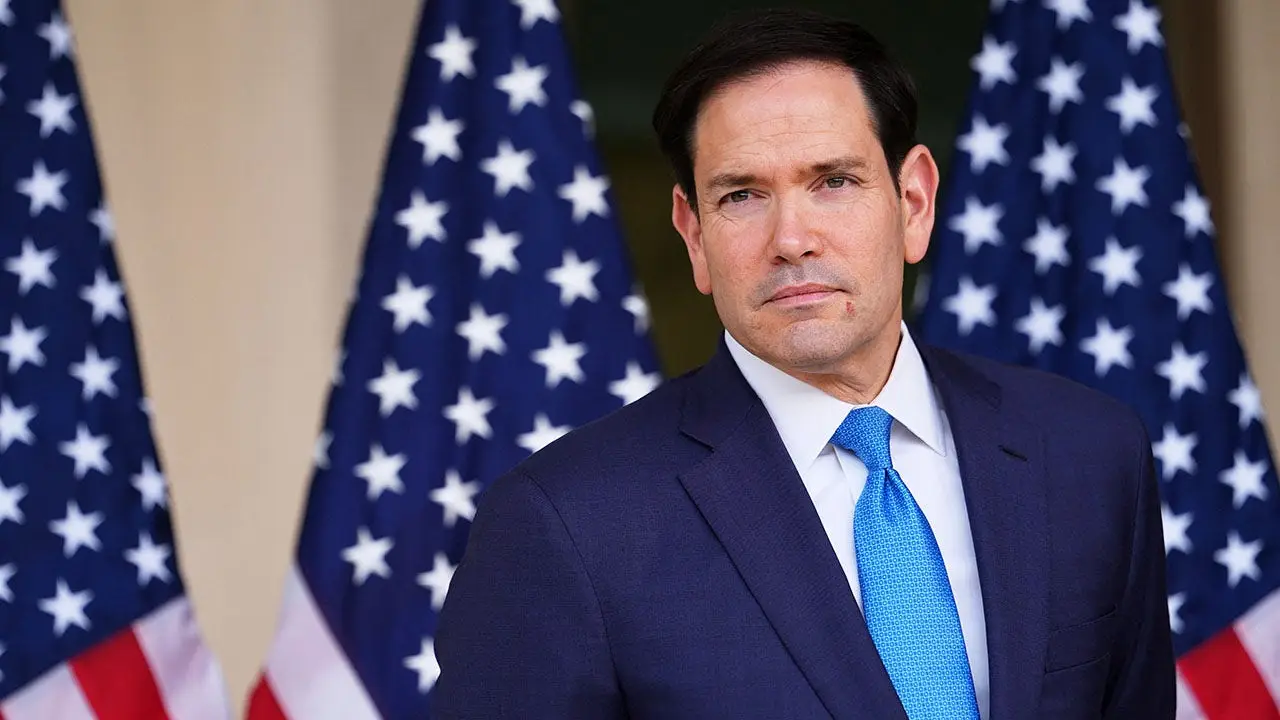
As the heavy, humid air of early summer settles over Washington, D.C., Secretary of State Marco Rubio is preparing to walk back into the familiar, echoing marble corridors of Capitol Hill—but this time, the ground beneath his feet will feel vastly different. Once a questioning senator himself, Rubio now finds himself on the opposite side of the witness table, preparing to defend an administration whose foreign policy has pushed the nation to the precarious edge of a sustained conflict with Iran. Over the course of two intense days, scheduled for Tuesday and Wednesday, Rubio is slated to testify across four separate, high-stakes congressional hearings. While the official agenda for these sessions points to routine reviews of the State Department’s upcoming fiscal year budget, everyone in the room knows that the financial spreadsheets are merely a placeholder for a much deeper, more volatile conversation. The real focus will be an interrogation of the administration’s military strategies, the fragile status of ongoing negotiations, and the looming question of whether the United States is quietly committing itself to an endless campaign against Iranian forces and their nuclear ambitions. For Rubio, this testimony represents a profound test of diplomatic salesmanship and political survival, as he must explain to a weary, increasingly skeptical legislature why a nation fatigued by decades of Middle Eastern involvement should continue to pour its resources and risk its soldiers’ lives into yet another deep ideological confrontation.
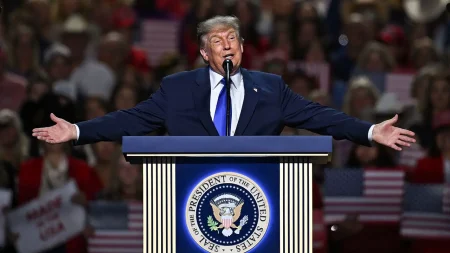
Behind the dry diplomatic terminology of “stalled negotiations” lies a frustrating, agonizingly human deadlock that directly impacts millions of lives both in the United States and across the Middle East. The unresolved disputes between Washington and Tehran are not merely abstract points on a ledger; they represent the difference between peace and a devastating regional war. The primary sticking points—Iran’s mounting stockpiles of highly enriched uranium, the critical reopening of the economically vital Strait of Hormuz, and the potential easing of crippling economic sanctions—have become a frozen landscape of missed opportunities. This diplomatic paralysis was laid bare by President Donald Trump’s remarkably casual public dismissal of the peace process during a recent CNBC interview, where he remarked that he “couldn’t care less” if the stalled talks were officially over, calling the long-running diplomatic process “very boring.” To the diplomats, humanitarian workers, and families of service members who have been holding their breath in hopes of a peaceful breakthrough, such flippant rhetoric from the Oval Office is deeply unsettling. It highlights a stark, painful contrast between the painstaking, anonymous labor of statecraft and the loud, transactional reality-television style of modern presidential politics, leaving those on the front lines of diplomacy to wonder if their efforts are being treated as little more than a passing distraction.
The true, physical cost of this diplomatic gridlock is felt most acutely on the turbulent waters of the Persian Gulf, far from the climate-controlled offices of Washington. Over a single autumn weekend, the fragile ceasefires that had barely managed to keep a lid on the violence since early April were shattered by fresh rounds of sporadic fighting, reminding the world of how easily a small, localized escalation can erupt into a major disaster. In these volatile waters, the U.S. military shows absolutely no signs of lifting its stranglehold on Iranian trade ports, keeping a tense naval blockade in place, while Iranian forces respond in kind by flexing their military muscles around the narrow Strait of Hormuz, through which a major portion of the world’s oil supply flows daily. For the young American sailors patrolling these waters and the local merchant mariners trying to navigate them, this high-stakes game of chicken is not a geopolitical simulation but a daily struggle for survival. The constant state of high alert, the psychological toll of looking through targeting scopes, and the knowledge that a single misunderstanding or a single nervous finger on a trigger could spark a massive, catastrophic conflict creates an environment of intense, suffocating pressure that policy analysts in Washington rarely have to personally experience or endure.
This mounting anxiety on the water has catalyzed a significant, quiet rebellion within the halls of Congress, where lawmakers from both parties are preparing to assert their constitutional authority over the nation’s war-making powers. This week, both the House and the Senate may advance critical legislation designed to legally halt U.S. military involvement in the conflict unless the administration secures explicit, formal authorization from Congress. While the administration has historically argued that the landmark 1973 War Powers Resolution represents an unconstitutional infringement on the executive branch’s commander-in-chief authorities, the current legislative pushback carries a unique and powerful moral weight. In a striking departure from standard partisan loyalty, several high-profile Republicans—including Representatives Thomas Massie of Kentucky, Brian Fitzpatrick of Pennsylvania, and Tom Barrett of Michigan—have crossed the political aisle to join hands with Democrats in voting to restrict the president’s unilateral combat authorities. Even though a successful war powers resolution may ultimate face a presidential veto, the visible fracturing of the president’s own party on the House floor sends a incredibly powerful symbolic message to the White House: a growing segment of the American electorate, represented by a diverse coalition of lawmakers, is deeply uncomfortable with the prospect of an executive branch waging an unauthorized war without the consent of the governed.
Simultaneously, Secretary Rubio is finding himself caught in a tightening vice between those who want to end the conflict immediately and a vocal faction of hawkish conservatives who believe the administration is being far too soft on Tehran. These defense hawks are deeply suspicious of any diplomatic compromise that stops short of completely dismantling Iran’s nuclear infrastructure and conventional military power, fearing that any deal allowing Iran to maintain some local influence will be interpreted as a sign of American weakness. This aggressive perspective was vividly captured by Senator Roger Wicker of Mississippi, who publicly urged the president to abandon the negotiating table entirely and instead allow America’s armed forces to “finish what we started” by completely wiping out Iran’s conventional military capabilities and forcing the Strait of Hormuz open by sheer military force. For Wicker and his ideological allies, the pursue of a diplomatic agreement with an Islamist regime is a dangerous distraction from what they view as a necessary show of overwhelming, decisive force. This intense pressure from the right leaves Rubio with an incredibly narrow path to walk during his testimonies; he must somehow reassure his old friends on the hawkish right that the administration remains fiercely strong, while simultaneously convincing a war-weary public that the United States is actively looking for a peaceful exit strategy.
Ultimately, the upcoming congressional hearings are about far more than dry budget allocations, legislative check-and-balances, or partisan scoring; they are a deeply human drama about the direction of a global superpower and the stewardship of human lives. As Marco Rubio sits before the microphones, facing a barrage of questions from former colleagues who view this conflict through a variety of political, moral, and personal lenses, the decisions made in those hearing rooms will ripple outward to affect real people across the globe. They will affect the family of a navy lieutenant stationed on a destroyer in the Gulf, the line of merchant ships waiting to safely pass through a contested waterway, and the generations of citizens who must live with the long-term economic and human consequences of America’s foreign policy choices. The tension hanging over Washington this week is a stark reminder that in the grand theater of global diplomacy, the most critical currency is not money, but trust and human life. Whether Congress succeeds in pulling back the reins of presidential war powers or the administration manages to navigate this political storm, the world is watching, waiting to see if the leaders of a powerful nation have the wisdom and the courage to choose the difficult, patient work of building peace over the destructive, short-sighted allure of a devastating war.