





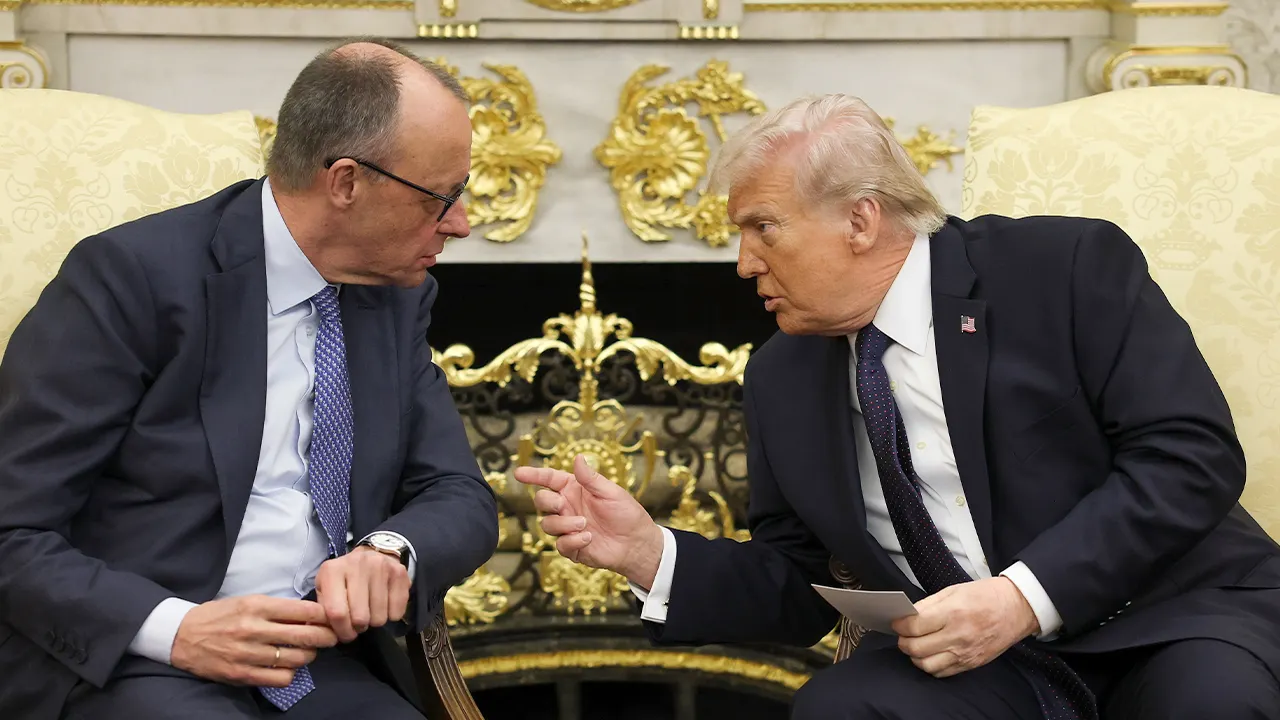
In the heart of Europe’s bustling political landscape, where old alliances are fraying under the weight of fresh tensions, the United States took a decisive step that reverberates across the Atlantic. The Pentagon, through its chief spokesperson Sean Parnell, announced the withdrawal of approximately 5,000 troops from Germany—a move framed as a strategic readjustment following a comprehensive review of U.S. force posture in Europe. This isn’t just numbers on a page; these are real people—soldiers, families, and support staff—who’ve called Germany’s bases home, from the sprawling Ramstein Air Base serving as the nerve center for American operations across the continent and into the Middle East. With an eye on evolving threats and ground realities, the withdrawal is slated to unfold over six to twelve months, signaling a pivotal shift in how America projects power abroad. Imagine the conversations around mess halls or in quiet German towns, where troops and locals have built bonds over years; this redeployment feels like turning a page in a long-shared story, one steeped in history dating back to post-World War II presence that once numbered over 200,000 American forces. Yet, as America repositions, it begs questions about the future of partnerships that have defined transatlantic security for decades. The roots of this decision trace back to the fiery exchanges between President Donald Trump and German Chancellor Friedrich Merz, each wielding words like weapons in the shadow of global crises. Merz, speaking candidly in Marsberg, lambasted what he saw as Washington’s weakness toward Iran, accusing the U.S. of being “humiliated” by Tehran’s leadership and yearning for a swift end to hostilities without further escalation. His comments underscored a chancellor grappling with the delicate balance of diplomacy in Europe, where allies share grievances over defense burdens and economic ties. Trump’s response, ignited like a fuse on Truth Social, was characteristically blunt: labeling Merz as clueless on Iran’s nuclear ambitions and warning that a nuclear-armed Iran would plunge “the whole world” into hostage-like peril. This digital volley highlighted Trump’s trademark style—a mix of bold pronouncements and sharp criticism—painting Germany as failing economically under leadership he deemed outmatched. Behind these exchanges lie deeper rifts, including past clashes over tariffs where Trump imposed billions in levies, rattling trade flows and exposing fractures in NATO’s unity. For everyday audiences following this drama, it humanizes the stakes: leaders aren’t distant figures but people engaging in heated debates over nuclear threats, economic vitality, and the preservation of peace—all while ordinary citizens wonder how these quarrels affect jobs, security, and the fabric of international friendships.
Zooming out, the U.S. military footprint in Germany has been a cornerstone of American engagement in Europe since the Cold War’s end, evolving into what some call an “empire of bases”—over 38,000 troops today, far fewer than the peak but still a robust contingent. Ramstein and other installations aren’t just logistical hubs; they’re lifelines for air power, intelligence gathering, and rapid response missions stretching from Ukraine’s battlefields to Middle Eastern hotspots. This presence has fostered unique cultures of coexistence, where American GIs mingle with German communities, sharing holidays, learning languages, and even raising families that bridge continents. Yet, political winds have long churned around this, making troop levels a flashpoint. Recall Trump’s 2020 order to pull 12,000 forces—a bold reimagining of priorities toward the Indo-Pacific and away from “unfair burden-sharing” he accused allies of imposing. That move hit roadblocks, with Congress resisting the full withdrawal, leaving the issue unresolved into the Biden era. Now, with 5,000 more slated for departure, it feels like a continuation of that vision, albeit tempered by current events. For the troops involved, this means uprooting lives—packing up military families from quaint German villages, decommissioning equipment, and redirecting resources toward new theatres. On the German side, reactions run a gamut: some nationalists cheer autonomy reclaimed, others fret economic losses from base closures that inject billions into local economies. In the broader tapestry of international relations, this withdrawal isn’t isolated; it’s part of a grand chess game where America signals its frustrations with allies deemed freeloaders in NATO’s defense spending debates. Humanizing this, picture the stories of airmen at Ramstein or soldiers in drills—not pawns in geopolitics, but individuals chasing career goals amid global instability, wondering how their sacrifices fit into Trump’s narrative of America-first defense.
Meanwhile, the flame of tension with Iran adds fuel to this transatlantic strain, transforming what started as a regional standoff into a catalyst for deeper divisions. Iran’s nuclear program looms large in these narratives, a specter of potential devastation that Merz and Trump each address through their prisms: the chancellor’s plea for a dignified resolution versus the president’s assertion of unique, aggressive actions against Tehran. Trump’s public bravado—”I am doing something with Iran, right now, that other Nations, or Presidents, should have done long ago”—paints him as a lone wolf compelling change, contrasting with decades of multilateral talks marred by sanctions and standoffs. This human element weaves in personal stakes; for Trump, it’s a legacy play, echoing his 2018-2019 brinkmanship that nearly sparked war before withdrawal from the nuclear deal. For Merz, it’s about safeguarding Europe’s interests without alienating key partners, navigating the EU’s push for “saving face” in de-escalation. Ordinary people worldwide watch this crescendo with bated breath, from Iranian citizens enduring economic “fury” under U.S. squeezes—crippling oil exports and inflation—to Germans uneasy about spillover effects on energy security or terrorism risks. It’s a reminder that foreign policy isn’t abstract; it’s lived in the fear of missiles, the grind of embargoes, and the hope for diplomacy that lets everyone “save face.” As troops pull from Germany, the world wonders if America’s repositioning amplifies these pressures, making nuclear ambitions less deterrable or alliances more splintered. In daily life, this translates to heightened vigilance in airports, debates at family dinners, and the quiet resilience of communities adapting to uncertainty.
Delving into the human dimension, consider the faces behind these headlines—the troops on the move, their families bracing for change, and the German civilians whose lives intersect with American bases. Soldiers like young corporals or seasoned sergeants, who’ve trained in Germany’s rolling landscapes, embody the backbone of this shift; they’re not just counters in a withdrawal but people with aspirations, loved ones back home, and stories of camaraderie forged in diverse units. This redeployment could mean closing schools on bases, shuttering shops that catered to American tastes, or disrupting cross-cultural friendships built over generations. From an American perspective, it’s a bittersweet farewell to a posting that offered European luxuries—beer gardens, historic castles—while grappling with deployment separations. On the German end, locals in Rheinland-Pfalz or Bavaria might lose jobs in hospitality or logistics, prompting economic recalibrations in regions dependent on base dollars. Yet, there’s opportunity in transition: Americans redirecting expertise to Poland or the Baltics for enhanced eastern flank defenses, strengthening NATO’s eastern edge against Russian assertiveness. Humanizing this, think of personal anecdotes—a GI’s farewell barbecue turning into a tearful gathering, or a German mayor expressing mixed emotions over diminished security cooperation. Amid Trump’s ire at NATO allies spending too little (averaging below 2% of GDP targets), this tug-of-war reveals the emotional toll of alliance politics, where trust erodes not through battles but through fiscal grudges and rhetorical skirmishes. It’s a poignant reminder that behind policy decisions are human lives, adapting and enduring in a world where feuds over defunct alliances shape futures unexpectedly.
Looking ahead, the six-to-twelve-month timeline for this withdrawal opens a window of anticipation and adjustment, where strategic reviews dictate pacing but human factors—logistics, morale, and international optics—will play starring roles. Pentagon planners, drawing from past experiences like the incomplete 2020 pull, aim for a smooth transition, ensuring no vacuum in European security while realigning toward perceived priorities like countering China’s rise or bolstering Pacific postures. For European leaders on edge, as echoed in reports of Trump’s potential to yank 20,000 troops continent-wide, this feels like a precarious balancing act; NATO summits might intensify, with allies scrambling to showcase spending boosts or shared burdens to stave off further defections. On the ground, exercises could evolve—joint drills morphing to involve more European forces, fostering a sense of ownership in collective defense. Human stories emerge here too: diplomats negotiating quiet reassurances, veterans reflecting on tours that defined eras, or analysts predicting ripple effects on Middle East operations deprived of German staging. Trump’s “economic fury” against Iran, encompassing sanctions and alliances like his Abraham Accords, frames this as part of a broader pattern—unpredictable moves that keep adversaries off-balance while testing allies’ resolve. For the average person, whether an American expatriate in Berlin or an Iranian laborer in Tehran, it’s a call to empathy: understanding that geopolitical shifts aren’t just news cycles but lived realities affecting stability, economies, and the vague hope for peace. As axes grind on, the withdrawal underscores how personal ambitions of leaders like Trump and Merz intersect with global consequences, humanizing a narrative of power plays into tales of adaptation and aspiration.
Ultimately, amid the echoes of this troop drawdown, lies a broader call for reflection on transatlantic ties—tested by spats over Iran, spending, and sovereignty, yet resilient in shared values of democracy and freedom. Friedrich Merz’s criticisms, aired plainly, highlight a Germany weary of perceived American overreach, seeking equitable partnerships rather than dictates. Trump’s retorts, laced with flair via social media blasts, reveal a presidency intent on rewriting rules, prioritizing American interests in a multipolar era. For those impacted—troops redeploying to new horizons, families reuniting or separating, communities rebuilding—the human cost is palpable, blending pride with parting sorrow. This saga, unfolding against Iran’s stubborn stance, reminds us that foreign affairs are deeply personal, influencing livelihoods from base dependents to global watchdogs monitoring nuclear threats. Contributions from reporters like Alex Koch and Peter Doocy ensure these stories don’t fade; instead, they invite continued dialogue. In humanizing it all, consider this not as isolated news but as interconnected lives—soldiers serving, leaders debating, civilians hoping—that form the undying pulse of international relations. As America charts its path, the world watches, yearning for harmony that transcends the divides.