


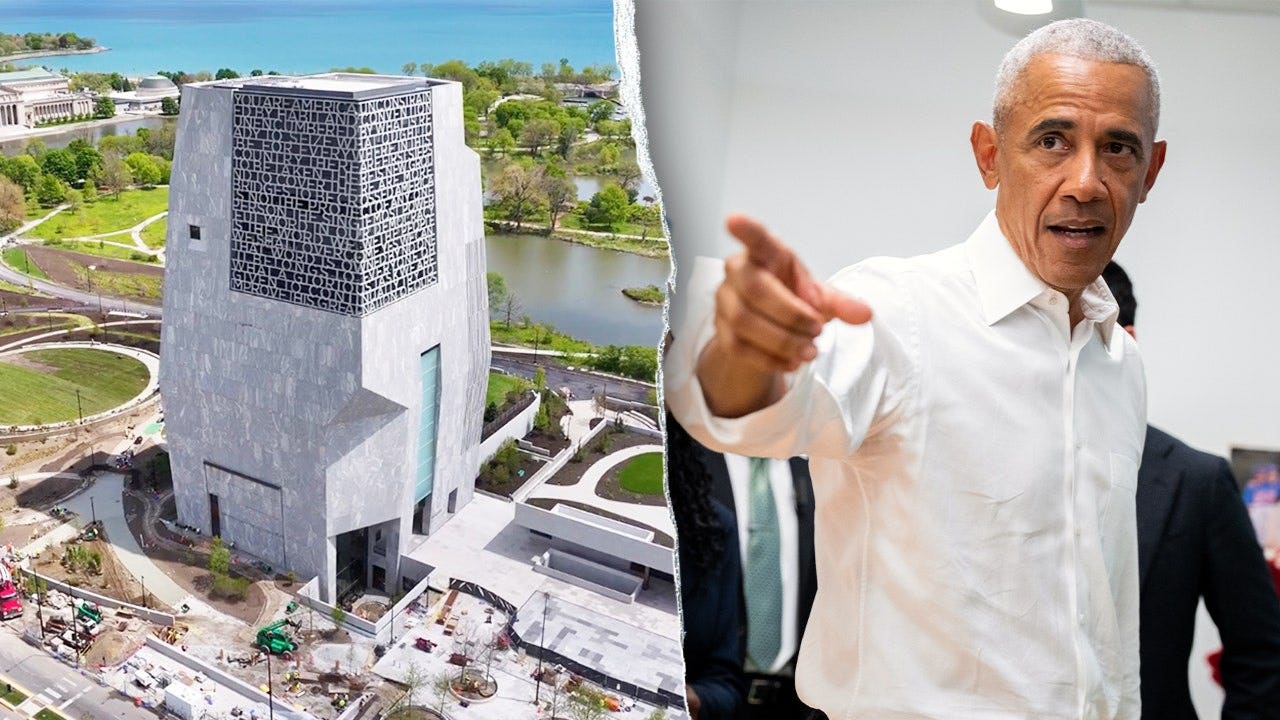
The physical structure of the Obama Presidential Center rises above the historic, wind-swept landscapes of Chicago’s South Side, promising to be a monument to hope, community empowerment, and historical legacy. Yet, beneath the grand architectural designs and the impending excitement of its grand opening, a deep, unsettling anxiety is taking root among local taxpayers and civic watchdogs. What was envisioned as a gift to the city has increasingly become a source of financial dread, with growing fears that ordinary citizens could ultimately be forced to bail out the massive complex if its primary financial engine sputters. At the heart of this controversy is a critical safety net: a promised $470 million endowment that was supposed to protect taxpayers from any future financial fallout. Instead, recent investigations have revealed that the Obama Foundation, the powerhouse non-profit behind the center, has deposited a mere $1 million into this crucial reserve fund. This striking discrepancy has sparked intense scrutiny, transforming the celebratory countdown to the center’s opening into a tense debate over accountability, broken promises, and the true cost of legacy-building.
The financial arrangement underpinning the center has long raised eyebrows among legal and fiscal experts who question its actual benefit to the public. Under a highly favorable 99-year agreement struck with the city of Chicago, the Obama Foundation secured control of a prime 19.3-acre parcel of publicly owned land in historic Jackson Park for a symbolic, one-time payment of just ten dollars. In exchange for this valuable real estate, the foundation pledged to establish a massive endowment fund to shield the public from shouldering any future operational or capital maintenance deficits. Critics argue this shield is currently non-existent. Illinois GOP Chair Robert Grogan, standing outside the bustling construction site, expressed deep skepticism about the foundation’s commitment to its civic duty, noting that despite promises of hundreds of millions of dollars to secure the project, the fund remains essentially frozen at its initial 2021 deposit of $1 million. For taxpayers living in a city and state already burdened by severe fiscal challenges, the prospect of inheriting the operational costs of a sprawling, multi-acre campus is a terrifying possibility that threatens to turn a symbol of pride into an unsustainable public liability.
While the long-term threat of a taxpayer bailout looms large, the immediate, human cost of the project is already being felt by the very people who built it. For several local contractors and subcontractors, the dream of working on a historic presidential project has curdled into a financial nightmare of unpaid bills, agonizing delays, and threatened bankruptcies. Standing outside the rising museum tower, Mike Owen, the president of Adamson Plumbing, brandished company spreadsheets detailing a staggering $4 million loss on the project. He pointed to endless, unnecessary reworks, administrative delays, and a dizzying barrage of over one hundred change-order requests that forced his company to absorb massive upfront expenditures with no compensation in sight. The pain is particularly acute for minority-owned firms, which were supposed to be the primary beneficiaries of the project’s commitment to local economic equity. Omar Shareef, the president of the African American Contractors Association, sounded a somber alarm, revealing that multiple Black-owned businesses are currently facing severe financial ruin due to payment disputes on the site. Instead of lifting up the South Side, the construction process has left several local builders holding the bag, raising desperate questions about the ethical governance of the entire endeavor.
Seeking to quell the rising tide of anger and concern, the Obama Foundation has forcefully pushed back against allegations of financial instability and bad faith. In official statements released on the eve of their grand opening, foundation representatives maintained that the Obama Presidential Center is “fully funded” through a robust network of generous private donors who are deeply committed to the former president’s vision. They argue that they are in perfect legal compliance with their master agreement with the city of Chicago, pointing out a critical loophole: while the contract mandated the creation of an endowment fund, it did not stipulate a rigid timeline or a specific dollar amount that had to be deposited before the doors opened. The foundation insists it plans to make “significant investments” into the endowment in the years to come, urging patience as they transition from the heavy spending phase of construction to long-term operations. However, this legalistic defense does little to soothe critics who remember the foundation’s own 2020 annual report, which proudly displayed a fundraising chart earmarking $470 million of their goal specifically to seed a sustaining endowment.
The disconnect between the foundation’s reassurances and the reality of the underfunded reserve has drawn sharp criticism from legal scholars who understand the mechanics of large-scale institutional finance. Richard Epstein, a prominent law professor at New York University who has spent years challenging the project’s legal framework in court, warned that relying on vague promises of future fundraising is a highly dangerous strategy. In the world of philanthropy, an endowment is designed to act as a permanent financial engine, invested carefully so that its annual earnings—typically around four to five percent—can cover ongoing operational expenses, which are estimated to reach up to $40 million annually for the center. Without this foundational nest egg to absorb market downturns or fundraising slumps, the physical infrastructure of the museum tower, digital library, and athletic complexes could rapidly fall into neglect, creating safety hazards that the city would eventually be forced to fix using public funds. The situation is further compounded by the project’s skyrocketing costs, which have dramatically ballooned from an initial projection of $330 million to over $850 million based on the last publicly available figures, leaving many to wonder if the total price tag has climbed even higher behind closed doors.
Ultimately, the unfolding drama surrounding the Obama Presidential Center highlights a profound tension between the creation of a monumental legacy and the responsibility owed to the surrounding community. What was designed to be a beacon of hope and economic revitalization for Chicago’s historic South Side is now shadowed by a bitter irony: local minority contractors are pushed to the brink of bankruptcy, and taxpayers are left exposed to immense financial vulnerability, all while the primary architect of the project remains insulated from the consequences. As the grand opening celebrations commence and the eyes of the nation turn to Jackson Park, the glittering glass and stone of the new campus stand as a physical manifestation of this unanswered moral and financial dilemma. Will the Obama Presidential Center live up to its promise of being a transformative, self-sustaining community resource, or will it join the long list of grand civic projects that left local taxpayers and small businesses paying the price for a dream they could ill afford? The answers to these questions will define the true legacy of the center for generations to come.