


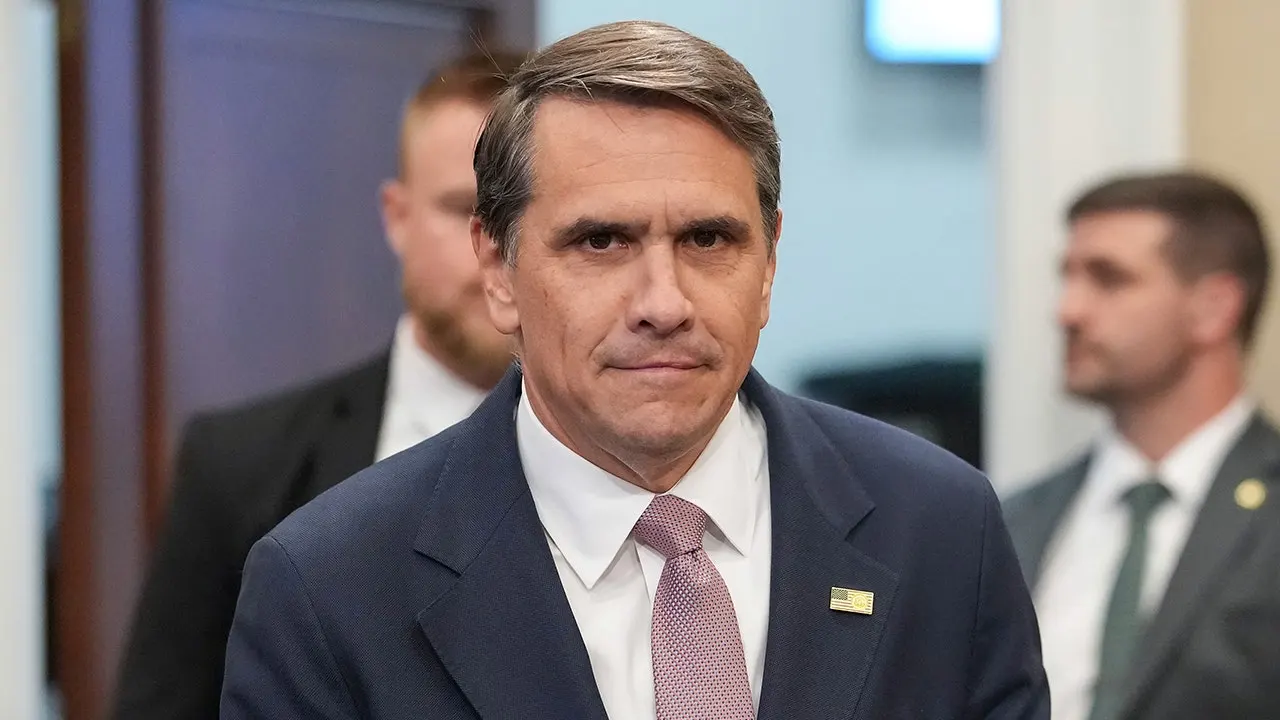
In a dramatic escalation of the ongoing conflict between state-level policymakers and federal authority, the United States Department of Justice has launched a major lawsuit against the Commonwealth of Virginia. At the heart of this legal battle is a pair of controversial new state laws scheduled to take effect on July 1, which federal prosecutors argue represent a direct, unconstitutional assault on the safety and operational capacity of federal law enforcement agents. According to the complaint, these state acts would expose undercover and tactical agents—particularly those working for Immigration and Customs Enforcement (ICE), the FBI, and the DEA—to criminal prosecution simply for doing their jobs while wearing protective facial coverings or withholding their personal identities in hostile environments. The Department of Justice contends that by subjecting federal officers to state-level misdemeanor charges, Virginia is violating the Supremacy Clause of the U.S. Constitution, which dictates that federal law reigns supreme over conflicting state mandates. Acting Attorney General Todd Blanche voiced deep concern for the well-being of these officers, emphasizing that men and women in law enforcement risk their lives daily and should never have to fear being doxxed, harassed, or criminally prosecuted by a state government for carrying out their federal mandates.
The legislative measures in question, signed into law by Virginia’s newly elected Democratic Governor Abigail Spanberger, represent a stark departure from the policies of her predecessor. The first law imposes strict limitations on law enforcement officers, explicitly banning them from wearing masks or facial coverings while on duty within the state, while also mandating that they prominently display full identifying information. The second law places severe, state-mandated restrictions on local agencies, prohibiting them from maintaining active cooperation agreements with ICE unless the federal government complies with a set of rigid, state-imposed conditions. Operating in high-stakes environments—such as executing high-risk arrest warrants or dismantling sophisticated international gang operations—often requires agents to conceal their identities to guard against immediate physical threats and retaliatory harassment. Under the language of the new Virginia statute, any federal agent who wears a tactical mask during a raid or refuses to disclose personal identifying information to bystanders could be charged with a Class 1 misdemeanor. In Virginia, such a charge carries a penalty of up to 12 months in a local jail, a hefty $2,500 fine, or both, effectively turning the state’s law enforcement apparatus against the very federal officers sworn to protect the peace.
To understand the human toll of this legal dispute, one must look closely at the daily realities of the agents on the front lines. These are not faceless government entities but mothers, fathers, husbands, and wives who return home to their families after navigating some of the country’s most dangerous neighborhoods. By outlawing protective tactical masks and demanding public identification during active operations, the law raises the terrifying prospect of “doxxing”—the malicious online publication of private home addresses, phone numbers, and family details. Assistant Attorney General Brett Shumate of the DOJ’s Civil Division explained that the department is steadfastly committed to defending the privacy and physical security of its workforce against state overreach. Federal tactical teams often face violent cartels, human traffickers, and organized street gangs who do not hesitate to target an officer’s family if their identity is compromised. Stripping these agents of their anonymity not only hampers their ability to execute search warrants and conduct surveillance, but it also forces them to make an agonizing choice between protecting their families from violent criminals or protecting themselves from being thrown into a Virginia jail by local prosecutors.
This clash is deeply rooted in the shifting, highly polarized political landscape of Virginia, where progressive leaders have increasingly sought to insulate their communities from federal immigration enforcement. The lawsuit specifically names Virginia Attorney General Jay Jones and Fairfax County Commonwealth’s Attorney Steve Descano, a progressive prosecutor previously backed by organizations tied to billionaire philanthropist George Soros, as key defendants responsible for enforcing these laws. Since taking office, Governor Spanberger has made it clear that her administration will not cooperate with the federal government’s aggressive immigration agenda. In February, she issued a high-profile executive order rescinding a previous directive by former Republican Governor Glenn Youngkin that mandated state and local cooperation with ICE. Defending her actions, Spanberger publicly criticized the federal approach to immigration, asserting that the system is broken and should not be used as an excuse to “terrorize” local immigrant communities or tear families apart. This ideological divide has created a complex legal minefield, with state leaders attempting to carve out sanctuary-style protections while federal authorities warn that such efforts actively compromise public safety and disrupt national security operations.
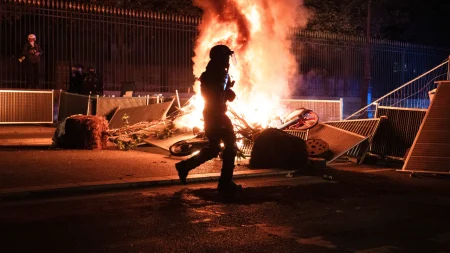
The tension in Virginia mirrors a broader, highly volatile national climate surrounding immigration and federal law enforcement. Across the country, ICE agents and other federal officers are operating under unprecedented pressure, frequently facing intense public scrutiny and outright hostility. Recent demonstrations outside the Delaney Hall immigration detention facility in New Jersey highlight the volatility of the situation, where protestors gathered to block transport vehicles, verbally abuse personnel, and physically assault officers, leading to multiple arrests. The Department of Justice points to these escalating tensions to illustrate why federal agents require absolute protection and anonymity when conducting their duties. Virginia is not the first state to attempt such a sweep; California recently tried to enforce a similar ban on ICE agents wearing masks during field operations, only for a federal judge to step in and block the law. This legal precedent bolsters the DOJ’s current argument that states simply do not possess the constitutional authority to dictate the uniforms, protective gear, or operational tactics of the federal government.
Ultimately, the resolution of this lawsuit will have profound implications for the future of American federalism and the safety of law enforcement personnel nationwide. Associate Attorney General Stanley Woodward summed up the federal position succinctly, stating that a governor cannot dictate how federal officers perform their duties, nor can a state prohibit these officers from taking basic steps to ensure their own survival. As the July 1 implementation deadline approaches, the Department of Justice is actively seeking a preliminary injunction to halt the laws before they can take effect and disrupt ongoing operations. If the courts rule in Virginia’s favor, it could signal a major shift in state sovereignty, allowing local jurisdictions across the country to dismantle federal programs and prosecute individual agents. If the DOJ prevails, it will reaffirm the long-standing constitutional principle that federal authority remains supreme in matters of national security and immigration. Beyond the dense legal briefs and courtroom debates, however, remains the very human story of thousands of federal agents who continue to walk into dangerous situations every day, hoping their country will protect them just as they protect their country.