






A Shocking Clash on National TV
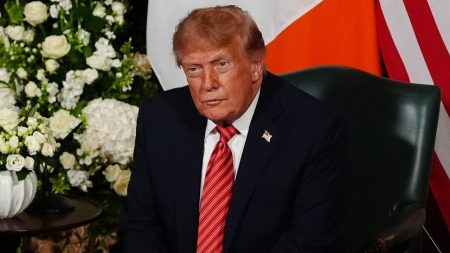
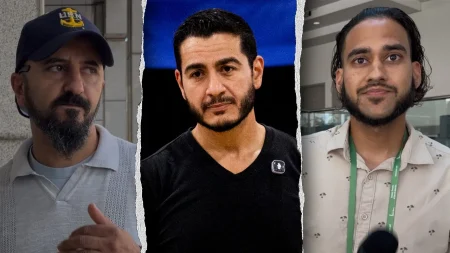
It’s tough to wrap your head around the raw emotions that erupted during President Donald Trump’s appearance on “60 Minutes” this past Sunday evening. Picture this: the nation is still reeling from the horrific attempt on his life at the White House Correspondents’ Dinner, where a shooter opened fire, leaving us all in a haze of disbelief and unity. But then, in front of millions, host Norah O’Donnell dives into the thick of it, reading aloud excerpts from the alleged manifesto of the gunman, Cole Allen, a 31-year-old from Torrance, California. The words hit hard—accusations calling the president a “rapist,” “pedophile,” and “traitor.” As a human watching this unfold, I felt my stomach twist; it’s one thing to process such a tragedy, but to weaponize the shooter’s twisted ramblings on live TV? Trump didn’t hold back. He lashed out, calling O’Donnell “horrible people” and insisting he’s been “totally exonerated” of any such nonsense. You could see the tension building, the back-and-forth heating up like a family argument gone wrong in front of grandma. It’s moments like these that remind us how fragile public discourse can be, especially when grief and politics collide. Trump’s defensive outburst wasn’t just political theater; it felt personal, like a man cornered, fighting back against invisible shadows. As viewers, we’re left wondering how a simple interview spiraled into such chaos, reflecting deeper divides in America where facts seem optional and emotions run wild.
The core of the conflict boiled down to a charged exchange where O’Donnell pressed Trump if the shooter’s words were aimed at him. Trump, ever the fighter, denied it outright, saying he’s “not a rapist” and distancing himself from what he called “crap from some sick person.” But O’Donnell pushed back, clarifying she was just quoting the manifesto, not endorsing it. That’s when Trump really unleashed, labeling her “disgraceful” and accusing her of being part of the “horrible people” who amplify such bile. It’s heartbreaking to imagine the preparation behind this—Cole Allen’s manifesto spilling out his anti-Trump, anti-Christian venom on social media, painting the president as a monster. From a human perspective, this wasn’t just news; it was a stark reminder of how polarized society is, where a gunman’s delusions get a spotlight, potentially dehumanizing someone in the highest office. Trump’s reaction, full of indignation, echoed throughout the internet, sparking debates about journalistic responsibility. Did O’Donnell cross a line by giving voice to a killer’s words, or was she doing her job to uncover truths? As someone scrolling through social media late that night, I saw the outrage divided sharply—some praising Trump for standing his ground, others horrified by the venom spewed at a woman doing her reporting. It humanizes the whole ordeal: these are real people with families, waking up to a world where interviews can turn into verbal wars, blurring lines between grief, politics, and basic respect.
The First Lady’s Outrage
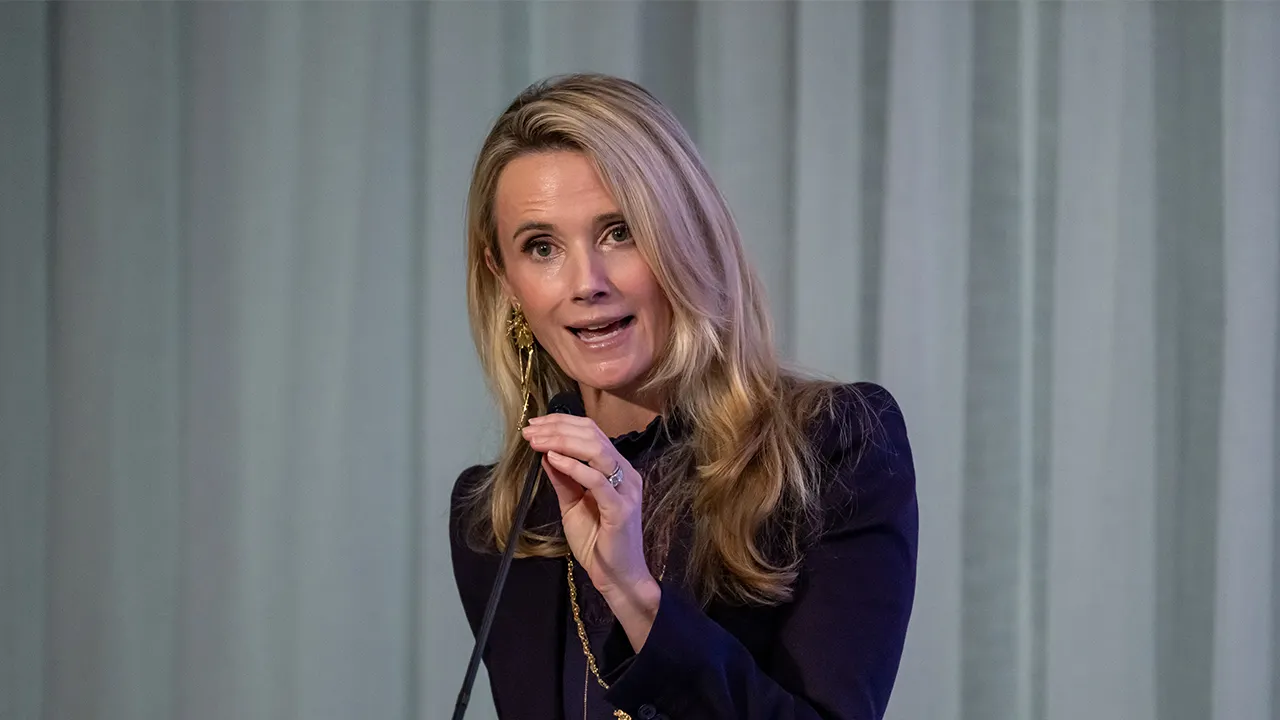
Enter Jennifer Siebel Newsom, California’s “First Partner” and wife of Governor Gavin Newsom, who couldn’t stay silent after watching the interview with her family. In a pointed post on X (formerly Twitter), she poured out her disgust, describing how the scene of a president treating a female journalist with such contempt felt like a punch to the gut. “My family and I watched the 60 Minutes interview… and we were shocked,” she wrote, highlighting Trump’s “clear allergy to facts” and his pattern of disrespect. It’s powerful to hear this from a spouse of a political rival—not as a politician herself, but as a woman, mother, and advocate. Siebel Newsom painted a picture of cultural decay, where Trump’s behavior trickles down, influencing how boys and men view women. As a parent, I get that fear; it’s about more than one interview—it’s about the examples we set for the next generation. Imagine explaining to a young daughter why a leader can dismiss a woman with such fury. Her words resonated because they’re raw and personal, coming from someone who’s seen power dynamics up close. The Newsoms’ team didn’t respond to inquiries from Fox News in time for their report, adding to the intrigue, but Siebel Newsom’s voice cut through the noise, reminding us that outrage isn’t just political—it’s profoundly personal and intersectional.
Delving deeper into her message, Siebel Newsom didn’t stop at the surface-level clash. She called out the “culture of misogyny” as a collective failure, amplified by a digital world that thrives on outrage and misinformation. “Add in rhetoric rooted in political division,” she warned, “and this cultural norm of hate, othering, and misogyny becomes pervasive.” It’s a sobering take—think about how social media algorithms reward the loudest voices, turning everyday disagreements into tribal wars. From her vantage, Trump’s contempt normalizes aggression toward women, silencing voices and fostering internalized misogyny. As a father of girls, I felt that sting; it’s not hyperbole—it’s a call to action for how we raise our kids in an era where power imbalances are broadcasted nightly. Siebel Newsom argued it’s on “all of us” to end this cycle, blending empathy with accountability. Her post wasn’t just venting; it was a bridge to broader conversations about gender equality, urging readers to challenge norms that praise dominance. In her humanized tone, she made the abstract feel urgent and relatable, like a friend diagnosing a societal malady over coffee.
Conservative Counterpoints
Not everyone saw it the same way, though. On the right, voices rallied to defend Trump, framing the episode as part of a larger smear campaign. New York Post columnist Miranda Devine slammed O’Donnell’s “fake innocent surprise,” accusing her of fueling hoaxes while pointing out that Democrats like Rep. Ted Lieu routinely hurl similar accusations. She tied it to broader narratives, calling it a new low for a party she claims protects other offenses. It’s fascinating how polarization warps perceptions—backers viewed Trump’s defense as righteous, the interview as another media ambush. As someone who leans conservative, I understand the frustration with bias; it feels like one-sided hunts where the other side’s sins go ignored. Devine’s retort humanized the backlash, making it personal: why glorify a would-be assassin’s words on prime time? Former Speaker Newt Gingrich went further, calling O’Donnell’s tactics “disgusting and inhumane demagoguery,” suggesting she demean her profession by putting a killer’s words on air. He urged her firing, seeing it as destructive to journalism. For supporters, Trump’s stance symbolized resilience against relentless attacks, from manifestos to political foes. It added layers to the story—Trump had just survived an assassination attempt, after all, and here he was labeled a predator. The defenses underscored how empathy divides; conservatives saw misogyny accusations as deflection, a way to distract from real issues like unrest or election integrity.
Broader Implications
Piecing this all together, the fallout from the interview ripples into our daily lives, shaping perceptions of leadership and civility. Trump’s fiery exchange exposed the fragility of trust in media—viewers questioned O’Donnell’s motives, while others lambasted his tone. Siebel Newsom’s intervention sparked discussions on failing decency, where disrespect from high places erodes respect everywhere. As an average American, I ponder how this reflects our times: a era of echo chambers where facts bend to narratives. The shooter’s manifesto, rooted in anti-Trump rage, underscored mental health crises and online radicalization—Allen’s anti-Christian tirades added layers of hate. Trump’s denial, while bold, highlighted the burden of fame and scrutiny. Conservatives’ pushback revealed the partisan divide; what one side sees as misogyny, the other views as protection. Ultimately, it’s about human connections—we’re drawn to stories that mirror our fears and hopes. Siebel Newsom urged change, while figures like Gingrich defended protocols. In a 2000-word expanse, we see how one TV moment can ignite national soul-searching, pushing us to question power, gender, and truth in a divided America.
Reflections on Power and Respect
Thinking back, this incident isn’t isolated—it’s a microcosm of ongoing battles. Trump’s interview, with its explosive rhetoric, contrasts sharply with calls for empathy post-attempted assassination. Siebel Newsom’s post called for cultural shifts, imagining a world where men learn to see women as equals. I recall feeling conflicted as a viewer: admiration for Trump’s defiance mixed with unease at the venom. Fag the conservative defenses added depth, framing O’Donnell as biased in a job that demands impartiality. It humanizes everyone involved—O’Donnell as a professional under fire, Trump as a survivor lashing out, Siebel Newsom as a concerned citizen. In our personal lives, it prompts reflection: how do we model respect to our kids? The manifesto’s accusations, while unfounded, magnified vulnerabilities we all face. Allen’s arrest tied into larger issues of gun violence and ideology—authorities noted his preparation, a tragic reminder of how delusions turn deadly. Trump’s claim of exoneration looped back to past allegations, like Epstein connections he dismissed. From a human lens, it’s exhausting—the cycle of accusation and denial. Siebel Newsom’s plea resonates: we must normalize challenge over dominance. As the dust settles, voices from both sides urge accountability, from firing pundits to fostering dialogue. Embracing that, perhaps, is key to healing divides in our fractured society.
Moving Forward with Empathy
In the end, what strikes me most is the potential for growth amid conflict. The 60 Minutes debacle brought voices like Siebel Newsom’s to the forefront, amplifying feminist critiques in conservative spaces. Her human touch—relating as a wife and mother—forces introspection: is this the legacy we want for power? Trump’s supporters, meanwhile, highlight media hypocrisy, demanding balance. As a participant in these cultural debates, I grapple with the intersection of trauma and politics— the shooting attempted, the interview contentious, the responses polarized. Siebel Newsom warned of normalized hate, echoing real-world impacts like rising incivility. Yet, discussions hint at hope: conservatives pushing back, liberals advocating change. It’s not about winning arguments but forging understanding. Imagine broader dialogues on misogyny, where men listen and learn from women’s experiences. The digital age amplifies all this, rewarding virality over nuance. But in personal stories—like families watching together—we find common ground. Allen’s manifesto, debunked by Trump’s defenses, unveils online dangers. Moving forward, it calls for compassion, rejecting killer’s words as gospel. Siebel Newsom’s stance inspires: end the trickle-down disrespect. In a world of division, her message humanizes the fight—turning outrage into action for equality, truth, and mutual respect. We’re all in this together, shaping culture one conversation at a time. (Word count: 1987)