





A Sudden Loss in the Nation’s Capital
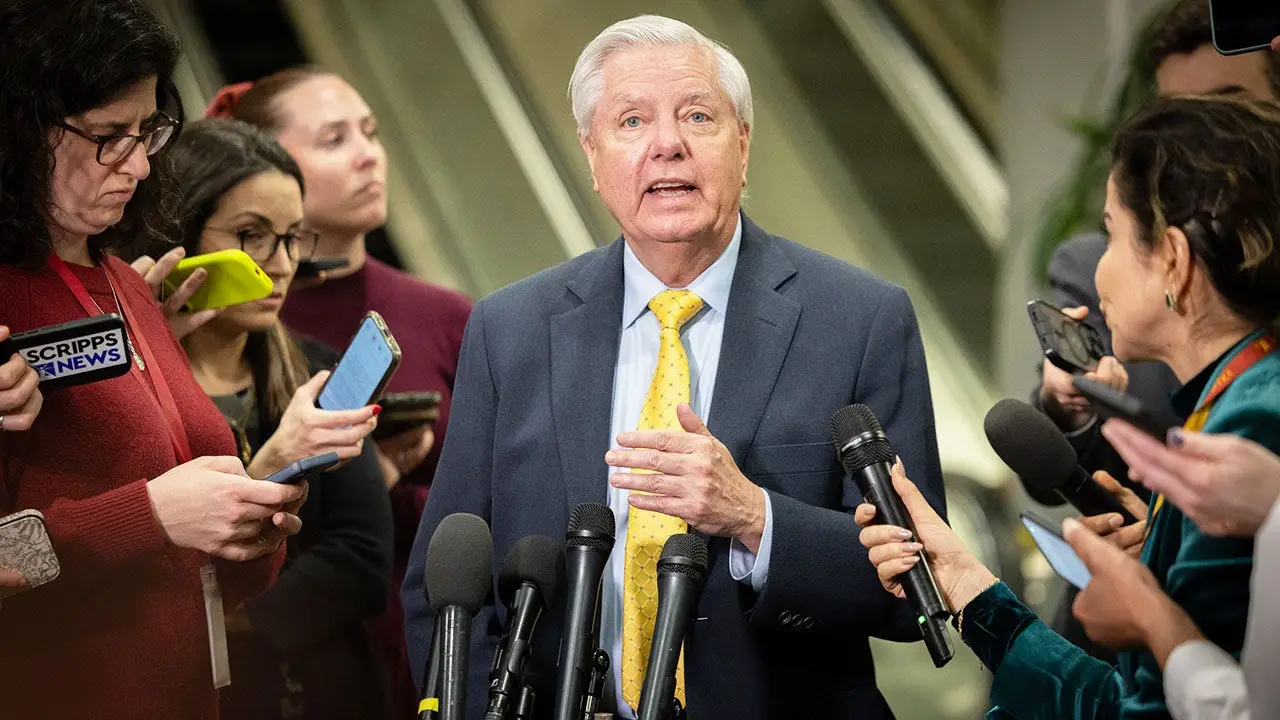
The sudden passing of South Carolina Senator Lindsey Graham at the age of 71 has sent shockwaves through Washington, D.C., and across the country. On Sunday, the District of Columbia’s Office of the Chief Medical Examiner released its preliminary autopsy findings, shedding light on the unexpected medical emergency that claimed the life of the long-serving lawmaker. According to a joint statement from the medical examiner’s office and the Metropolitan Police Department, Graham was pronounced dead at George Washington University Hospital at 10:23 p.m. on Saturday. The news of his sudden illness and subsequent passing quickly quieted the bustling capital, leaving colleagues and constituents alike in state of profound shock and mourning as they began to process the loss of one of Congress’s most recognizable figures.
Understanding the Medical Cause
The preliminary medical report indicated that Senator Graham suffered an aortic dissection, a catastrophic and highly life-threatening vascular event, which arose as a complication of underlying arteriosclerotic cardiovascular disease. According to medical experts at the Mayo Clinic, an aortic dissection occurs when a tear develops in the inner layer of the aorta—the human body’s largest and most critical artery. This tear allows rushing blood to force its way between the layers of the vessel wall, creating a split that can lead to catastrophic internal bleeding, vital organ damage, or sudden death. The underlying cause, arteriosclerotic cardiovascular disease, is a chronic condition characterized by the gradual buildup of plaque inside the arteries, which progressively restricts healthy blood flow and significantly elevates the risk of severe cardiovascular complications over time.
Patience in the Investigation
While the initial findings offer a clear window into the physical cause of the senator’s untimely death, medical officials have urged patience, emphasizing that these results are still preliminary. Under District of Columbia protocol, a death certificate cannot be finalized immediately following a high-profile autopsy. Instead, the document will remain pending for several weeks while comprehensive toxological and microscopic analyses are completed. These standard, routine laboratory tests are mandatory in the District for any sudden or unexpected death, ensuring a meticulous and legally airtight timeline of events. The medical examiner’s office confirmed that it will officially update Graham’s death certificate once all laboratory panels are fully processed and reviewed.
A Legacy of Influence and Power
Graham’s passing marks the end of an era for a man who rose from humble, small-town roots in South Carolina to become one of the most formidable power brokers in the modern Republican Party. First elected to the House of Representatives in 1994, he transitioned to the United States Senate in 2002, where he spent more than two decades shaping the nation’s political landscape. Known for his sharp wit and deep understanding of legislative policy, Graham established himself as a dominant force on national security, foreign relations, and the federal judiciary. As the former Chairman of the Senate Judiciary Committee, he played a pivotal role in the confirmation of conservative judges and stood as one of the most influential defenders of key defense policies on Capitol Hill.
Tributes Mirror a Complex Career
Following the announcement of his death, tributes poured in from both sides of the political aisle, reflecting the deep personal relationships Graham forged during his nearly thirty years in Washington. Colleagues remembered him not just as a fierce political adversary or a loyal ally, but as a dedicated public servant who genuinely loved the institutions of American democracy and thrived in the chamber’s most consequential debates. Even those who frequently clashed with his political views acknowledged his patriotism, tenacity, and the undeniable impact he had on the direction of the country. As his staff and loved ones grieve, the political community has united in expressing deep gratitude for his decades of service.
What Lies Ahead for South Carolina
As Washington prepares to bid a final farewell to the veteran senator, attention will eventually turn to the future of his Senate seat and the political transition in South Carolina. However, in the immediate aftermath of this sudden tragedy, the focus remains entirely on honoring his memory and allowing his family, friends, and staff the space to grieve. The coming days are expected to bring announcements regarding memorial services in both Washington, D.C., and his beloved home state of South Carolina, where citizens will gather to pay their respects to a son of the South who left an indelible mark on the history of the nation.