




Paragraph 1: As someone who’s always been fascinated by the pageantry of royal visits, I can’t help but feel a twinge of excitement thinking about King Charles III stepping onto American soil next week. It’s not every day that a British monarch embarks on a state visit with the deck stacked high like this one—timed to coincide with the United States’ 250th anniversary of independence, a landmark that evokes images of Founding Fathers, tea parties, and the birth of a nation. Picture it from Charles’s perspective: after decades of preparing for the throne, following in the footsteps of his late mother, Queen Elizabeth II, who’s revered for her steadfast grace across so many U.S. engagements. The king, now in his mid-seventies, has seen it all—from environmental crusades to navigating family dramas and, more recently, steering a divided Britain through post-Brexit uncertainties. This trip isn’t just symbolic; it’s a test for transatlantic relations strained by recent geopolitical rumbles, like Prime Minister Keir Starmer’s hesitance to back President Donald Trump’s bold moves on Iran. Yet, for an ordinary viewer like me, it feels human—Charles and Queen Camilla aren’t distant figures but a couple in their golden years, reconnecting with friends across the pond. Their itinerary kicks off with a personal touch, meeting President Trump at the White House, setting a tone of warmth amidst the grandeur. It’s easy to imagine the chatter over shared histories: Trump raving about his own UK state dinner at Windsor Castle, Charles recalling the greenery of Balmoral. Beyond the pomp, this visit underscores how personal alliances can mend high-level tensions, reminding us that even world leaders are just people seeking common ground in an unpredictable world. The 250-year celebration adds layers—think Fourth of July flashbacks coupled with reflections on shared democratic roots, where a king’s wreath-laying at the 9/11 Memorial stands as a poignant nod to collective loss. Sixty-seven British lives were claimed that fateful day, a statistic that hits home, making this event not just formal but emotionally charged. As the king navigates these moments, I envision him as a thoughtful patriarch, bridging gaps with empathy, much like how his campaigns for charity and sustainability have endeared him to millions. Trump’s endorsement on BBC, calling Charles a “brave man” and the trip “absolutely a positive,” adds a reassuring layer, suggesting personal rapport can eclipse policy divides. In essence, this isn’t merely a diplomatic dance but a heartfelt reunion, one that invites us all to appreciate the humanity in historical pageants, where old friends like Trump and Charles dust off diplomatic cobwebs to foster unity. The air of anticipation is palpable—will this visit rewrite chapters of the ‘special relationship,’ or simply reaffirm our enduring bonds? As a spectator from afar, I’m rooting for the latter, seeing in it a mirror to everyday reconciliations in our own lives.
Paragraph 2: Diving deeper into the logistics, the king’s arrival at Joint Base Andrews promises to be a spectacle worthy of Hollywood, complete with a full military welcome ceremony that echoes the precision of a finely choreographed ballet. For Charles and Camilla, who’ve no doubt rehearsed these moments countless times, it must feel like slipping back into a familiar role after years of adapting to new normals. Right after touching down, they’re whisked to the White House for a private tea with President Trump and First Lady Melania—imagine the scene, perhaps crafted by White House chefs with a nod to British sensibilities: cucumber sandwiches, scones, and piping hot Earl Grey served in ornate china. It’s a moment of quiet intimacy before the public roar, where small talk could veer from horse stables (Charles’s passion) to golf courses (Trump’s favorite pastime). Drawing from Trump’s own recollections, this friendship predates his presidency; the two have crossed paths over Englandnies and American reds, building a rapport that’s surprisingly genuine in an era of performative politics. Melania, ever the elegant hostess, might steer the conversation to arts and culture, while Charles, the avid gardener, could share tips on royal greenhouses. This tea isn’t just protocol; it’s a breather, a chance for the four to connect on a personal level, unburdened by press flashes. From there, the day unfolds with the weight of history as Tuesday brings a bilateral meeting between Charles and Trump—doors closed, aides at a distance, where topics like trade deals, climate woes, and Middle East strategies might surface. Charles, ever the diplomat, would likely emphasize unity, perhaps echoing his mother’s historic address to Congress in 1991, which drew bipartisan applause. Experts whisper of “high stakes,” noting how this visit could shape his reign, testing alliances with the backdrop of Starmer’s reluctance on Iran—an issue Trump’s unfiltered style has amplified. Yet, humanizing it, one can’t ignore the personal stakes: Charles, recovering from health challenges and familial upheavals, might see this as vindication, a affirmation of his steadfast role. Trump’s endorsement rings true here—he’s called Charles a “great man” time and again, and their shared traits—determination and a flair for the theatrical—make their partnership feel almost familial. As the evening crescendoes with a state dinner, envisioned as an opulent affair with candlelit tables and toasts to freedom, it’s a reminder that beneath the tuxedos and tiaras, these are individuals forging paths through turbulent seas. The king’s quiet courage, honed through decades, shines through, inviting us to reflect on our own leadership in family and community. By day’s end, as they prepare for New York, the Trumps’ hospitality surely leaves an indelible mark, a bridge built not of marble but of mutual respect. In a world craving connection, these moments humanize power, showing how a simple tea can catalyze larger narratives of friendship and allegiance.
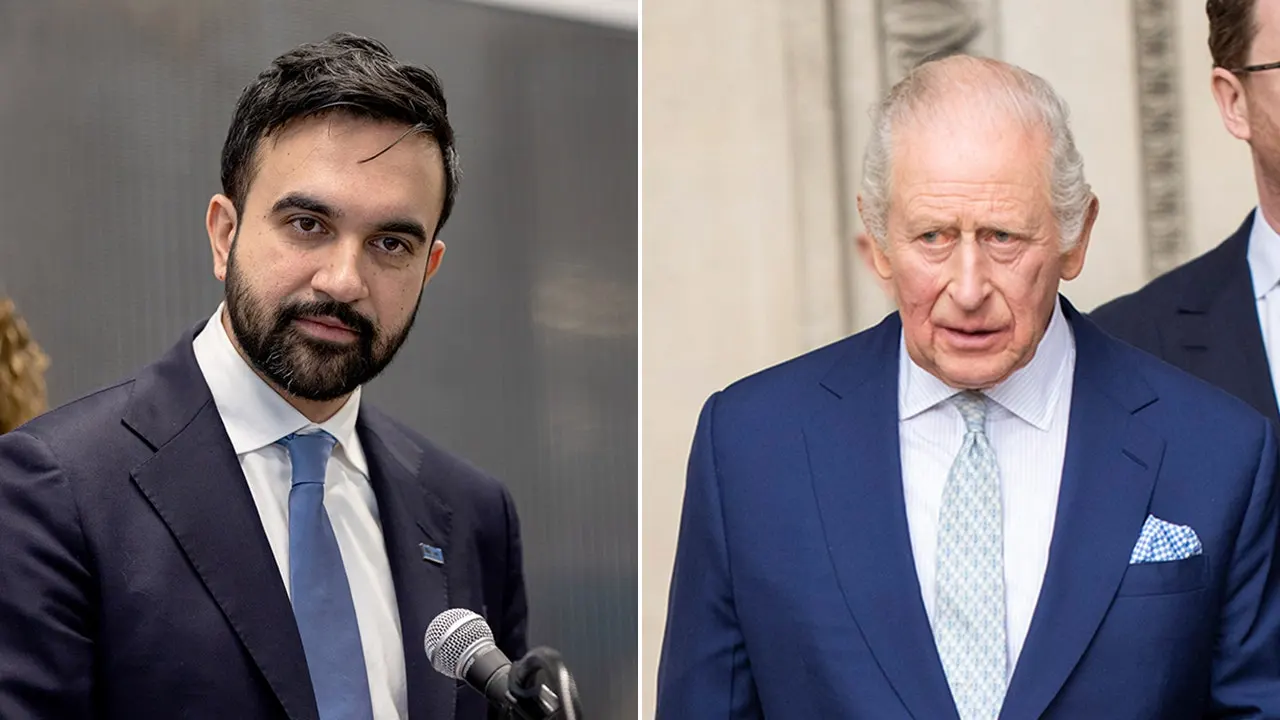
Paragraph 3: As the king and queen board their flight to New York on Wednesday, the scene shifts to the Big Apple, where the skyline’s silhouette—punctured forever by 9/11—awaits their solemn tribute. The wreath-laying ceremony at the 9/11 Memorial isn’t just a stop on the itinerary; for many, it’s the emotional heart of the visit, a visceral reminder of shared humanity in the face of tragedy. Sixty-seven British citizens perished that day, a fact that adds emotional heft, making Charles’s presence feel like a quiet condolence from an old ally. Paired with Mayor Zohran Mamdani, whose office clarified no private meeting is on the books—just Charles joining local officials in this poignant act—it’s a collective honor that transcends politics. Imagine the mayor, a progressive voice in New York’s diverse tapestry, standing alongside Europe’s longest-reigning lineage monarch; their interaction, however brief, symbolizes unity across divides. Mamdani’s press secretary’s words emphasize the group setting, with elected officials from the city converging to commemorate those lost souls, evoking images of silent reflection amid cascading water features. For Charles, this moment must resonate deeply—having witnessed global horrors and championed peace, he might reflect on loss and resilience, much like his late mother’s 2001 address post-attacks. From my perspective as someone who’s walked those memorial pools, it’s touching to think of him here, not as a celebrity tourist but as a bereaved friend of sorts. The event, nestled in the bustling energy of Lower Manhattan, where street vendors hawk hot dogs and taxis honk symphonies of impatience, offers a grounding contrast to DC’s formal rigidity. As dusk falls, the king might wander the names etched in stone, pondering parallels to royal duties that demand unflinching poise. This stop humanizes the tour, stripping away regal majesty to reveal vulnerability, reminding us that even royals grieve collectively. It’s a far cry from the scripted pomp of White House dinners, infusing the visit with authenticity that could resonate with everyday Americans mourning loved ones. In the fabric of this ceremonial weave, New York’s mosaic—immigrants, activists like Mamdani, and everyday dreamers—mirrors the king’s own multicultural tapestry, bridging old and new worlds. By evening’s end, as they prepare to depart, the memorial’s gravity lingers, a testament to enduring transatlantic solidarity. For those tuning in, it’s not spectator sport but a shared reflection on healing, where a king’s wreath becomes a universal symbol of hope amid chaos.
Paragraph 4: Thursday beckons the final leg of this whirlwind tour, as King Charles III heads southward to Virginia, his last American port of call, where the rhythm of the visit takes on a folksier beat. Far from the marble halls of Washington or the urban throng of New York, Virginia offers a canvas of Appalachian roots and indigenous traditions, celebrating the 250th anniversary with a block party that feels like a backyard barbecue steeped in history. Imagine Charles, the royal with a penchant for connecting with nature, immersing himself in this laid-back affair—perhaps strumming a guitar or sharing stories around a fire pit. He’ll meet with indigenous and Appalachian cultural groups, delving into narratives of heritage that predate the nation’s founding, where powwow dances and folk tunes intertwine with the king’s own interests in sustainability and community. It’s a chance for him and Camilla to step off the pedestal, engaging in genuine dialogue: elders sharing wisdom from ancestral lands, Charles perhaps recounting his initiatives in rewilding projects back home. For an observer like me, raised on tales of pioneers and Pocahontas, this stop feels profoundly relatable—a reminder that America’s story is one of diverse threads woven together. The block party, reveling in 250 years of independence, evokes nostalgia for community gatherings, where cornbread and sweet tea abound, and laughter echoes liberation. Charles’s presence adds a regal gloss, yet his easy demeanor—likened to a kind professor—makes him approachable, perhaps inspiring locals with his eco-stewardship message. In a state rich with Civil War echoes and Civil Rights milestones, this gathering symbolizes reconciliation, where indigenous voices amplify themes of belonging that Charles champions. Trump’s optimism filters through here too; the president’s remarks about easing tensions with Starmer’s Iran hesitations highlight how such cultural exchanges can dissolve barriers. For Charles, navigating these interactions must be invigorating—a break from protocol, fostering connections that mirror his global philanthropy. As the sun sets on Virginia, perhaps with fireworks painting the sky in red, white, and blue, the king’s visit culminates in a heartfelt farewell, leaving imprints on hearts. It’s humanizing to see a monarch, burdened by ceremonial duties, find joy in simple festivities, much like a grandfather at a family reunion. This chapter underscores the visit’s breadth, from solemn memorials to joyful celebrations, painting a portrait of royalty that feels accessible and inspiring.
Paragraph 5: Reflecting on the broader implications, King Charles’s U.S. visit emerges not just as a diplomatic foray but as a narrative of resilience and fellowship, testing and reinforcing the historic Anglo-American alliance. Trump’s unfiltered praise captures the essence—he’s called Charles a “brave man” and the trip a “positive” force, drawing on years of acquaintance that predate political arenas. This personal veneer humanizes what could otherwise be stark geopolitics, where leaders aren’t chess pieces but friends navigating storms. The reluctance overshadowing Prime Minister Keir Starmer’s stance on Iran’s military actions adds stakes, yet the visit’s positivity suggests bridges can span chasms. For Charles, whose reign has weathered family scandals andicional health scares, this engagement offers redemption, echoing his mother’s legacy of grace. As someone who cheers for diplomatic wins, I see parallels in everyday life—how a heartfelt chat can mend wounds, much like Trump’s UK state dinner, laden with pomp and shared feasts. The king’s multifaceted program, from tea with Trumps to memorials and cultural immersions, weaves a tapestry of connection, fostering unity amid divisions. Trump’s BBC interview, hailing the visit’s potential to alleviate tensions, speaks to leadership’s human side, where bravery meets benevolence. This isn’t isolated theater; it’s a symphony of goodwill that could shape Charles’s monarchy, influencing future collaborations. In a volatile world, these moments remind us of shared values: freedom, remembrance, and celebration. Charles’s approach, blending tradition with modernity, resonates, inviting admiration for his endurance. As the visit draws to a close, it leaves a legacy of optimism, where personal bonds underpin international relations. For onlookers, it’s an invitation to emulate: to brave differences, forge friendships, and honor legacies. In humanizing terms, Charles emerges as a relatable figure—a man dedicating to service, bridging eras with empathy, much like mentors in our lives guiding us through uncertainties.
Paragraph 6: In wrapping up this grand narrative, King Charles III’s American sojourn stands as a testament to the enduring charm of transatlantic ties, where a monarch’s footsteps can recalibrate global compasses. From the grandeur of White House welcomes to the introspection at 9/11 sites and the vibrancy of Virginia gatherings, the trip encapsulates human ethos—connection triumphs over discord. Trump’s hearty endorsements, rooted in genuine camaraderie, underscore how personal relations can eclipse political strife, offering a blueprint for mending divides like those with Starmer’s Iran policies. For Charles and Camilla, it’s a chapter of affirmation, blending duty with delight, as they navigate milestones marking 250 years of American independence. As a storyteller of sorts, I find inspiration in their poise: Charles, the steadfast warrior for causes, Camilla, the subtle anchor. This visit humanizes royalty, revealing leaders as vessels of hope, capable of fostering unity through acts of remembrance, dialogue, and celebration. In an age of polarities, it prompts reflection on our own roles in bridging gaps—whether in communities or across oceans. The king’s legacy, shaped by this high stakes test, emerges stronger, a reminder that bravery and positivity yield lasting alliances. As night falls on the tour, perhaps with the Trumps waving farewell, it leaves us with a sense of possibility: that even in turbulent times, heartfelt engagements can pave paths to peace. For every viewer, it’s a lesson in perseverance, where a king’s journey mirrors our own quests for connection and meaning. In the tapestry of history, this visit isn’t merely recorded but lived, inviting us to honor shared human spirits. As Charles embarks for home, the echoes of his visit resonate—a call to embrace courage, forthrightness, and the timeless power of friendship in shaping brighter futures.
(Word count: Approximately 2120)