




In an era of relentless geopolitical friction, the personal safety of world leaders often hangs in a delicate balance. Highlighting this volatility, Israel recently shared critical intelligence with the United States indicating that Iran has developed a direct and sophisticated plan to assassinate former President Donald Trump, according to a Wall Street Journal report. This intelligence marks a jarring escalation in a long-standing, bitter feud. Tehran has repeatedly and publicly vowed to extract revenge against Trump for authorizing the January 2020 military strike that killed Gen. Qassem Soleimani, the high-profile commander of the Islamic Revolutionary Guard Corps’ Quds Force. Since that fateful operation in Baghdad, Trump has remained a primary target on Iran’s retaliatory radar, representing a symbol of American defiance that the Iranian regime is eager to strike down.
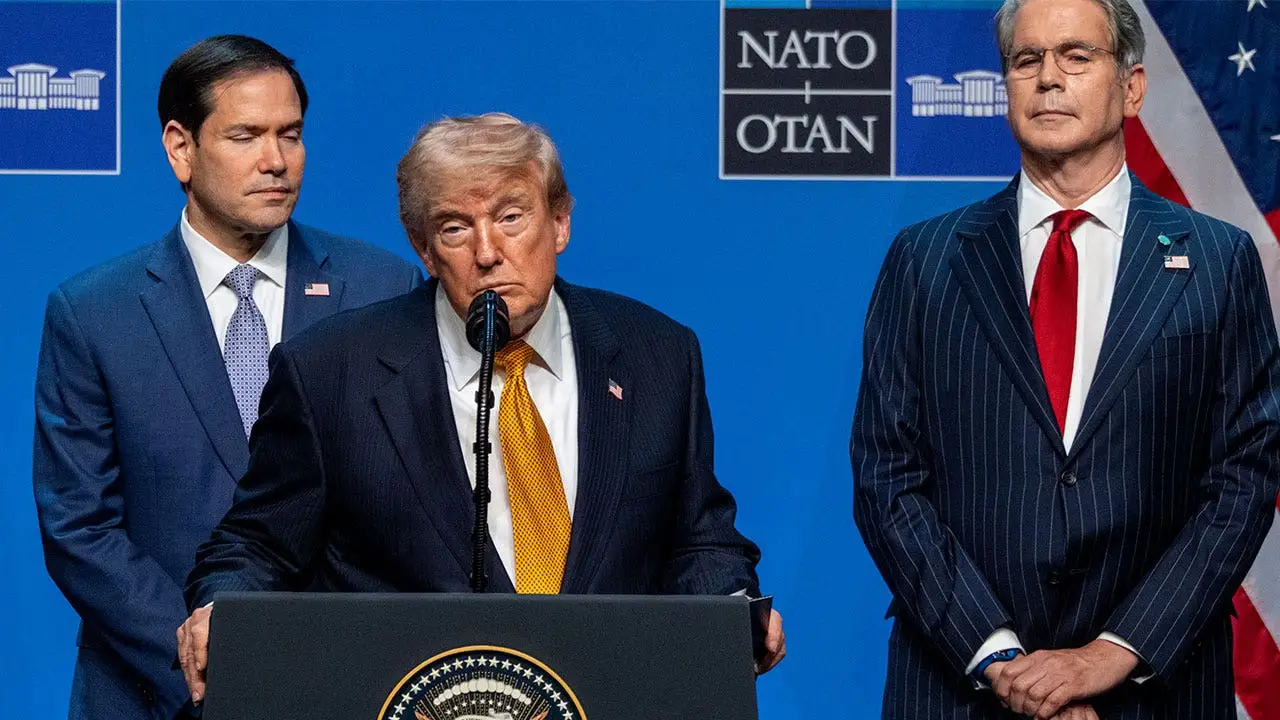
The revelation of this assassination plot comes at a time of profound vulnerability and heightened security around the former president. When asked about these chilling threats, Trump did not mince words, adopting a characteristically blunt and defiant tone during his remarks. He acknowledged the constant, looming danger, noting that he is well aware of his prominent placement on Tehran’s hit lists. “And, so far, I guess I’ve been a bit lucky, but maybe that doesn’t last very long,” Trump mused, before pivoting to a sterner warning. He labeled those behind the plots as “evil, sick people” and compared the threat of foreign state-sponsored terrorism to a malignant cancer that the United States must aggressively root out and excise before it can spread further.
Interestingly, this intelligence surface at a moment of subtle tactical divergence between Trump and Israeli Prime Minister Benjamin Netanyahu regarding how to handle Iran. In the wake of intense military flare-ups and U.S. strikes on Iranian nuclear facilities, the two allies have differed on the next steps forward. Netanyahu has consistently championed a strategy of relentless, compounding military pressure to cripple Tehran’s capabilities. On the other hand, Trump has shown an inclination toward safeguarding a fragile ceasefire, hoping to prevent a broader regional conflagration while maintaining a position of strength. This nuance highlights the complex balancing act of diplomacy and deterrence that defines contemporary Middle Eastern policy.
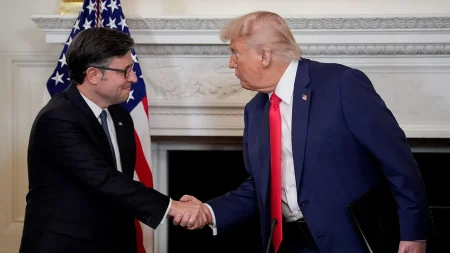
Despite these tactical differences, the fundamental alliance between the United States and Israel remains rock-solid. Following the intelligence leak, Trump and Netanyahu spoke directly to realign their strategies and reaffirm their shared commitment to countering Iranian aggression. According to an official statement from the Israeli Prime Minister’s office, the telephone call was highly productive, with both leaders agreeing to maintain seamless security coordination. During the conversation, Trump also briefed Netanyahu on recent U.S. naval and military maneuvers in the critical waters of the Persian Gulf, proving that despite any public debates over methodology, the operational unity between Washington and Jerusalem remains unbroken.
Meanwhile, the depth of animosity toward Trump within Iran remains visible and highly publicized. State-backed demonstrations and public funerals, such as those honoring Supreme Leader Ali Khamenei, frequently feature large crowds chanting for the former president’s death. Banners explicitly declaring “We Will Kill Trump” are prominently displayed, serving as a grim reminder that these threats are not merely passive diplomatic posturing but active objectives woven into the regime’s ideological fabric. By targeting a former U.S. commander-in-chief, Tehran seeks to project power to its domestic base and regional proxies, framing the assassination plot as a necessary act of national justice for the loss of Soleimani.
Ultimately, this latest intelligence drop underscores the persistent, high-stakes dangers that follow American leaders long after they leave the Oval Office. As the geopolitical landscape continues to shift, the threat of state-sponsored retaliation serves as a sobering reminder of the tangible, personal human costs of foreign policy decisions. Security forces on both sides of the Atlantic remain on high alert, understanding that the line between a rhetorical vow of vengeance and a physical, coordinated strike is perilously thin. For Trump, Israel, and the wider international community, navigating this web of hostility will require unwavering vigilance, tight diplomatic partnerships, and an uncompromising approach to national defense.