





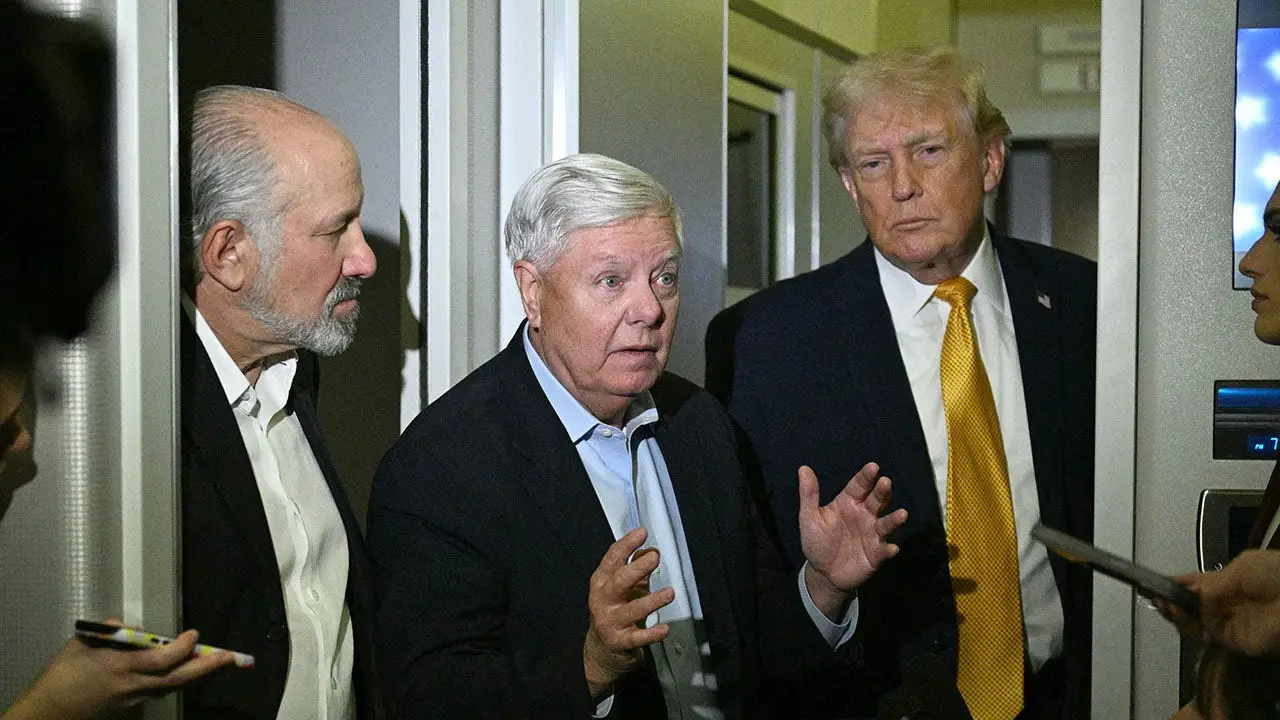
The sudden and unexpected passing of longtime South Carolina Senator Lindsey Graham at age 71 has sent profound shockwaves through the halls of Congress, leaving a deeply felt personal and political void. Known for his journey from humble, small-town roots to becoming one of the most influential power brokers in Washington, Graham’s death from an undisclosed illness comes at an incredibly delicate moment for his party. The Senate Republican majority, which stands at fifty-two seats, is already stretched incredibly thin as it navigates the indefinite medical absence of minority leader Mitch McConnell. With Graham’s seat now vacant, that functional majority has shrunk to just fifty-one votes, injecting an intense sense of urgency, high-stakes political drama, and immense pressure into the process of selecting his successor to keep the party’s legislative agenda afloat.
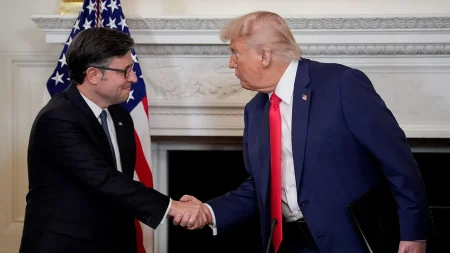
In the wake of this tragedy, the spotlight has inevitably shifted toward former President Donald Trump, whose political influence remains the ultimate gravity well in South Carolina. During a recent appearance on NBC’s Meet the Press, Trump acknowledged the immense weight of the situation while trying to balance the solemnity of the moment with the ruthless reality of political succession. He hinted heavily that he already has a specific candidate in mind whom he believes would be “great” for the job, though he declined to name them out of respect for his late friend, stating it was simply too soon to discuss names while the nation mourned. Despite his public restraint, Trump’s impending endorsement is expected to carry monumental weight, effectively serving as the kingmaker in the looming battle for the seat.
The immediate constitutional path forward rests squarely on the shoulders of South Carolina Governor Henry McMaster, a staunch and early ally of Trump. Under state law, McMaster has the authority to appoint a temporary replacement to step in almost immediately, ensuring the state does not go unrepresented in a closely divided Senate. Because Graham was already actively campaigning for a fifth term and had recently won his June primary, this temporary appointee will hold the seat until the end of the year, completing the remainder of Graham’s current term. While McMaster’s office has remained quiet regarding the exact timing or identity of the appointee, political observers expect a swift decision given the razor-thin margins currently facing Senate Republicans.
Looking beyond the temporary appointment, a secondary and far more competitive battle is brewing to secure Graham’s long-term successor. According to South Carolina election law, the candidate filing period for a special primary election is scheduled to open on July 21, with the critical primary vote slated for August 11. This compressed timeline guarantees a chaotic, fast-paced sprint for the Republican nomination in a deeply red state where winning the primary is virtually equivalent to winning the general election. The race is expected to draw a crowded field of ambitious, familiar faces from the state’s political landscape, potentially including Governor McMaster himself, who is currently term-limited and cannot run for governor again. Trump has already spoken highly of McMaster’s potential transition to the Senate, praising his gubernatorial legacy and loyalty.
Among the potential contenders, South Carolina’s congressional delegation is under intense scrutiny. Representative Nancy Mace, who recently fell short in her bid for the Republican gubernatorial nomination, is reportedly seriously considering entering the race, according to sources close to her camp. Conversely, Representative Joe Wilson, the longest-serving Republican in the state’s delegation, quickly put to rest any speculation about his own aspirations; following a phone call with Trump, Wilson publicly declared his commitment to remaining in the House of Representatives to help protect the party’s incredibly narrow majority there. Meanwhile, other delegation members like Ralph Norman, Russell Fry, William Timmons, and Sheri Biggs have yet to signal their intentions, though their political calculations are undoubtedly shifting by the hour.
This rapidly unfolding political drama is further complicated by other notable figures who could shake up the race. Pamela Evette, the state’s lieutenant governor who recently lost a highly competitive gubernatorial primary to Attorney General Alan Wilson despite carrying Trump’s endorsement, remains a viable and formidable player who could easily pivot toward a Senate run. As South Carolinians mourn the loss of a senator who spent decades representing them on the world stage, the political machinery of the Palmetto State is moving into overdrive. The upcoming weeks will test the strength of Trump’s endorsement power, reshape the local political hierarchy, and ultimately decide who will carry forward Lindsey Graham’s complex legacy in the United States Senate.